Reviewed in order: Shure MV7+ · Sennheiser Profile USB Microphone · Samson Q2U USB/XLR Dynamic Microphone · Elgato Wave:3 · RØDE NT-USB+ · HyperX QuadCast 2 S · Audio-Technica AT2020USB-X · Logitech for Creators Blue Yeti USB Microphone
Best USB Microphones in 2026: Ranked by Setup, Sound, and Room Fit
A practical USB mic ranking for people who care about voice clarity, keyboard noise, plosives, mute/gain controls, monitoring, software setup, mounts, and what the mic feels like after the box is open.
This guide ranks eight current USB microphones by the desk problems that decide whether people love or regret them: room noise, voice tone, controls, software, mounting, monitoring, flexibility, and reliability clues.
00 · quick verdict
Shure MV7+ is the safest overall USB microphone for most imperfect rooms, Sennheiser Profile USB is the simple-controls runner-up, and Samson Q2U is the budget dynamic pick.
Current winner
Shure MV7+
A premium dynamic USB/XLR mic with strong voice focus, useful DSP, and better noisy-room odds than most condensers; price and mounting discipline are the catches.
MSRP
—
Amazon
$299
at writing · 2026-05-14
01 · best picks
The short list worth starting with.
#1 · Best overall
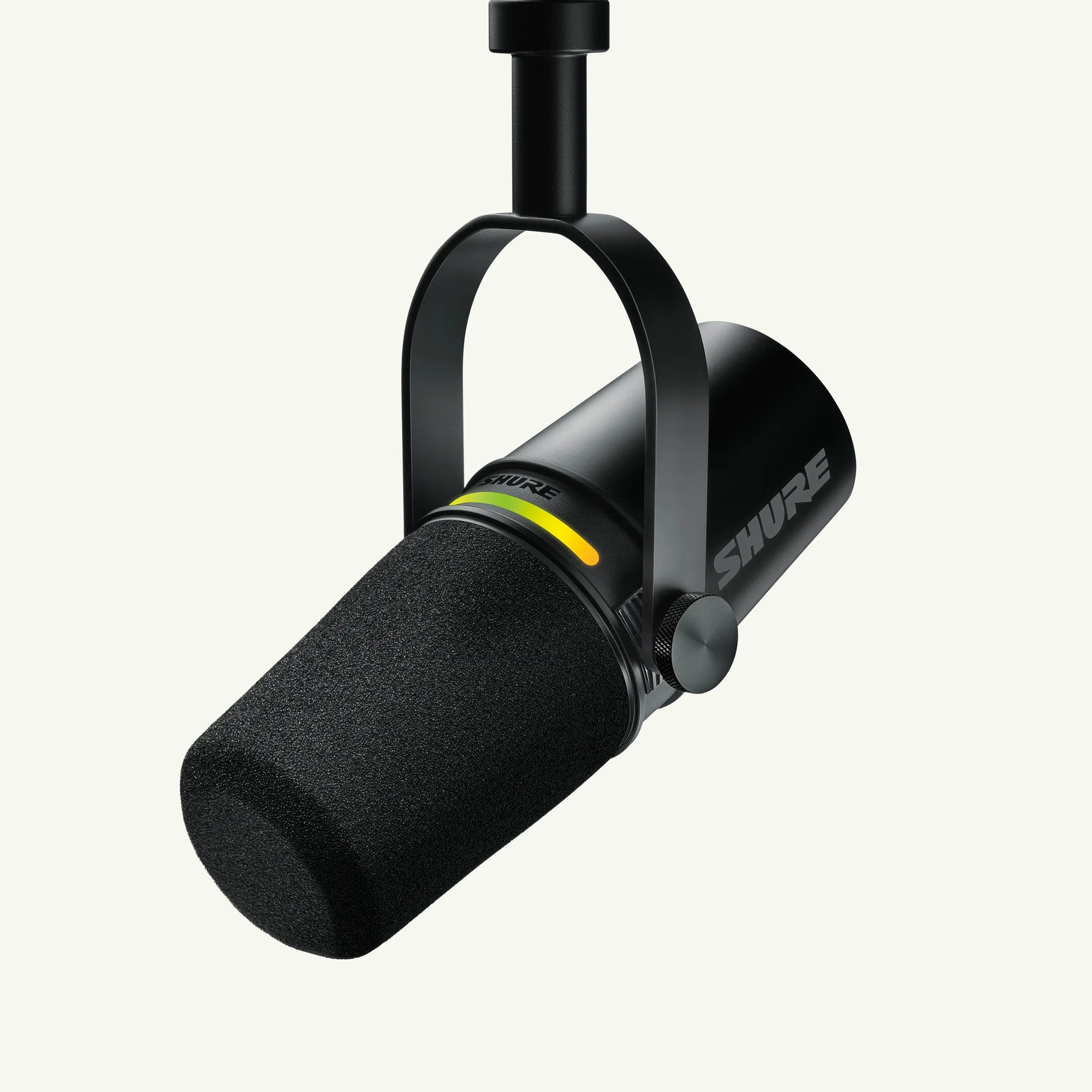
Shure MV7+
MSRP
—
Amazon
$299
at writing · 2026-05-14
A premium dynamic USB/XLR mic with strong voice focus, useful DSP, and better noisy-room odds than most condensers; price and mounting discipline are the catches.
#2 · Best simple controls
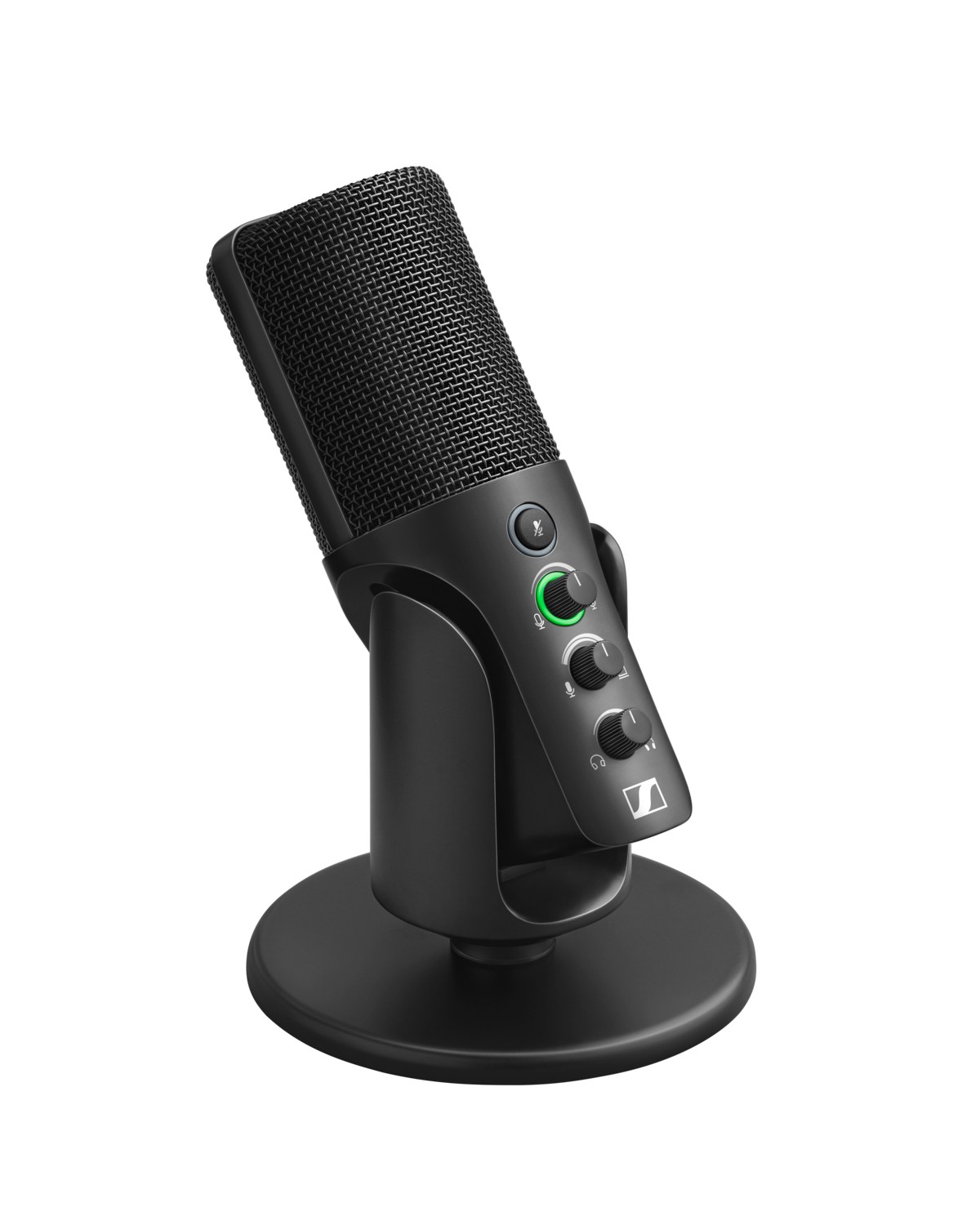
Sennheiser Profile USB Microphone
MSRP
—
Amazon
$99
at writing · 2026-05-14
A clean USB-C condenser with unusually friendly onboard controls; best for quieter rooms where simplicity matters more than app tricks.
#3 · Best budget dynamic
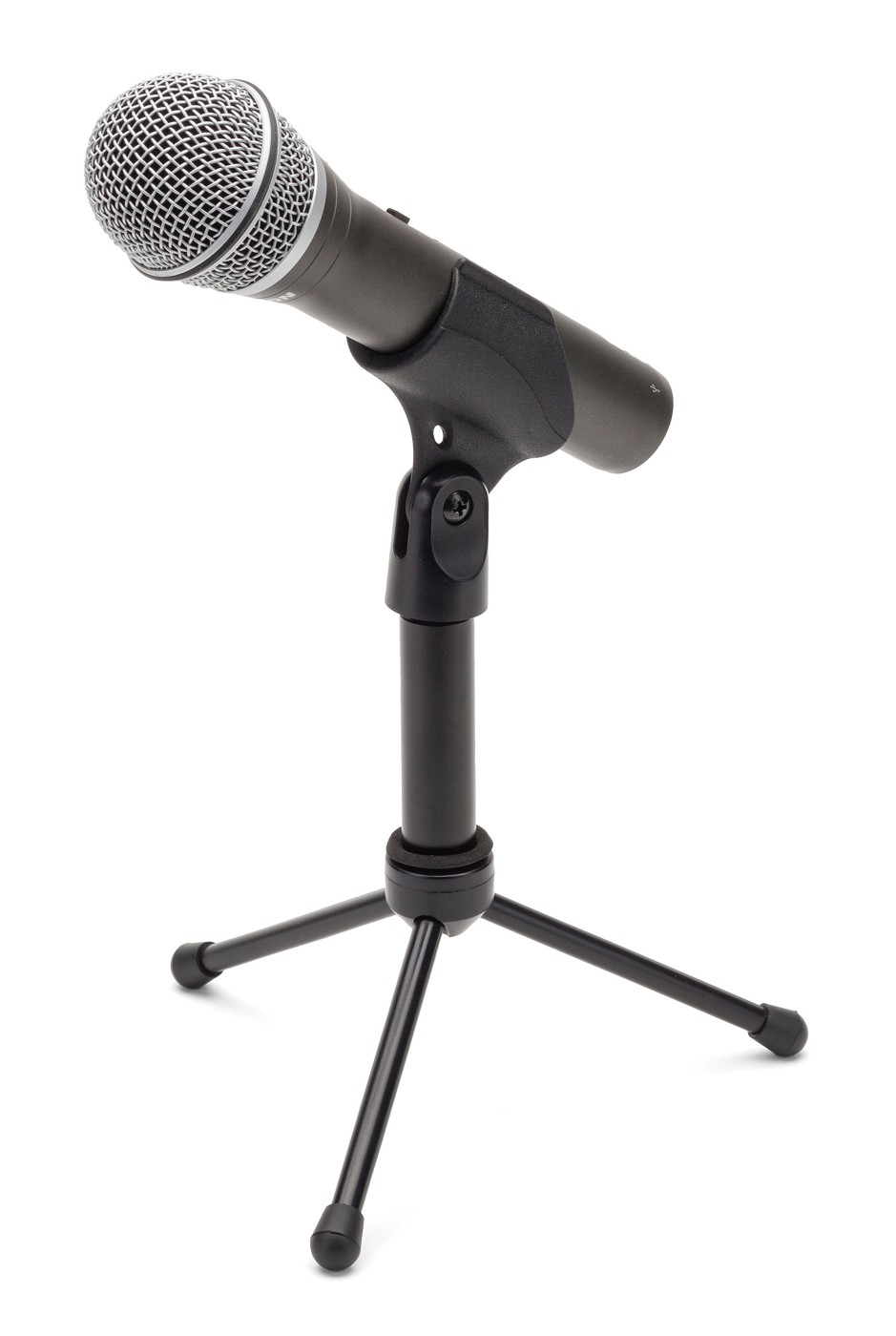
Samson Q2U USB/XLR Dynamic Microphone
MSRP
—
Amazon
$99.99
at writing · 2026-05-14
A budget dynamic USB/XLR mic with a forgiving close-talk sound and useful starter bundle; less polished on the desk, but very sensible.
02 · Before You Buy
USB microphones look easier than they are. Product pages sell studio sound, RGB, and podcast polish, but the thing that usually ruins the purchase is boring: the mic is too far from your mouth, the room is loud, the desk shakes, the gain is wrong, or the software adds one more problem before a call.
The first decision is not brand. It is dynamic versus condenser. A close dynamic mic like the Shure MV7+ or Samson Q2U is usually safer in a noisy room because it asks you to speak close and gives the keyboard less room to win. A condenser like the Sennheiser Profile, Elgato Wave:3, RØDE NT-USB+, HyperX QuadCast 2 S, Audio-Technica AT2020USB-X, or Blue Yeti can sound open and detailed in a quiet room, but it can also flatter your fan, walls, chair, and desk bumps.
Controls matter more than people expect. A mute light you trust, a gain knob you can reach, direct monitoring that does not lag, and a stand that does not boom through the desk all change how the mic feels after the first hour. Use the product links to check current price and availability before you buy; a mic that is brilliant at one price can become merely okay when a cleaner fit goes on sale.
03 · score comparison
Compare the grades before you chase details.
| Grade | #1Shure MV7+ | #2Sennheiser Profile USB Microphone | #3Samson Q2U USB/XLR Dynamic Microphone | #4Elgato Wave:3 | #5RØDE NT-USB+ | #6HyperX QuadCast 2 S | #7Audio-Technica AT2020USB-X | #8Logitech for Creators Blue Yeti USB Microphone |
|---|---|---|---|---|---|---|---|---|
| Overall UX | 8/10 | 7/10 | 7/10 | 7/10 | 7/10 | 7/10 | 7/10 | 6/10 |
| Speech sound quality | 9/10 | 8/10 | 7/10 | 8/10 | 8/10 | 7/10 | 8/10 | 7/10 |
| Room and desk-noise rejection | 9/10 | 6/10 | 8/10 | 6/10 | 5/10 | 5/10 | 5/10 | 4/10 |
| Controls and monitoring | 9/10 | 9/10 | 6/10 | 8/10 | 6/10 | 9/10 | 6/10 | 8/10 |
| Software and USB setup | 7/10 | 8/10 | 9/10 | 6/10 | 8/10 | 6/10 | 8/10 | 7/10 |
| Mounting and desk fit | 7/10 | 7/10 | 6/10 | 8/10 | 7/10 | 9/10 | 6/10 | 5/10 |
| Use-case flexibility | 9/10 | 7/10 | 9/10 | 8/10 | 6/10 | 8/10 | 6/10 | 8/10 |
| Reliability and support | 7/10 | 6/10 | 7/10 | 6/10 | 6/10 | 6/10 | 6/10 | 6/10 |
| Evidence confidence | 8/10 | 7/10 | 7/10 | 8/10 | 6/10 | 7/10 | 6/10 | 7/10 |
| MSRP | — | — | — | — | — | — | — | — |
05 · product-by-product breakdown
Why each pick landed where it did.
#1 · Best overall
Shure MV7+
MSRP
—
Amazon
$299
at writing · 2026-05-14
Shure is the broadcast name many casual buyers recognize after seeing the SM7B on podcasts, and the MV7+ is its friendlier USB/XLR version for people who want that close-talk style without buying an interface on day one. It is a dynamic microphone with USB-C, XLR, a headphone jack, touch mute, and MOTIV Mix tools for auto level, voice isolation, compression, de-essing, and pop control.
liked
The useful pattern is consistent: the MV7+ is forgiving when it is close to your mouth, and its USB features make the first setup less intimidating than a full XLR chain. PCMag summed up the upgrade as a mic with a "built-in pop filter, an automatic denoiser, and dual XLR/USB-C connections," which is exactly the bundle of conveniences most buyers are paying for here.
complaints
The catch is price and desk discipline. It is still a close-talk podcast mic, not a room mic, and one transcript called out desk resonance because the body is not magically isolated from taps and thumps. It also costs enough that you should want either Shure's USB processing layer or the future XLR path, not just a prettier Zoom-call mic.
best for
Creators, podcasters, streamers, and meeting-heavy workers in untreated rooms who will keep the mic close and want USB now with XLR later.
skip if
Skip it if you want a tiny mic across the desk, hate control apps, or would rather spend less and accept fewer polish features.
Biggest issue
The biggest risk is paying premium money and then using it like a far-away speakerphone. The MV7+ earns its rank when it is mounted close to the voice and tuned just enough to avoid clipping or boomy proximity sound.
The MV7+ wins because it protects the most buyers from the USB mic mistakes that ruin recordings: too much room, too many plosives, weak gain control, and no upgrade path. It is expensive, but it is the best all-around bet if your room is not quiet.
#2 · Best simple controls
Sennheiser Profile USB Microphone
MSRP
—
Amazon
$99
at writing · 2026-05-14
Sennheiser's Profile USB Microphone is the tidy middle choice: a USB-C condenser with obvious physical controls instead of an app-first setup. It puts gain, mix, headphone volume, mute, and LED feedback on the mic body, which matters when you are live and do not want to hunt through software windows.
liked
The strongest case for the Profile is how little it asks you to learn. Review transcripts repeatedly return to the front-panel controls, direct monitoring, and comparisons against the Blue Yeti, NT-USB+, and AT2020USB-X. One reviewer who was skeptical of USB mics still noted that the "knobs and the mute button all feel" solid, which matches the Profile's appeal: it feels like a simple tool, not a tiny control panel for a bigger app.
complaints
It is still a condenser, so a loud keyboard, fan, echoey wall, or distant speaking position can make it sound less polished than the controls imply. One transcript was blunt about desk stands: when the mic is far away, it "sounds like trash because the mic's so far away." The base package may also need a better arm, pop filter, or desk isolation if you are serious about recording.
best for
Creators and work-call users who want simple USB-C hardware controls, headphone monitoring, and a clean desk setup.
skip if
Noisy rooms, multi-person capture, RGB-heavy setups, or buyers who need a full arm/pop/shock kit included at the lowest price.
Biggest issue
Its simplicity can be a strength or a limit. If you need software mixing, heavy processing, or dynamic rejection, the Profile is not trying to be that mic.
The Profile ranks high because it is easy to live with. It is not the most flexible or the most isolated mic here, but it gives normal creators the right controls without turning setup into a project.
#3 · Best budget dynamic
Samson Q2U USB/XLR Dynamic Microphone
MSRP
—
Amazon
$99.99
at writing · 2026-05-14
The Samson Q2U is the scrappy budget dynamic pick that has lasted because it solves the right problem cheaply: getting your voice close to a forgiving mic while leaving a path to XLR later. It is a handheld-style USB/XLR dynamic microphone with headphone monitoring and a bundle that commonly includes a clip, tripod, windscreen, and cables.
liked
The appeal is practical. It rejects more room than most cheap condensers when used close, does not need driver drama, and the included accessories can get a beginner recording quickly. A long-running YouTube reviewer called it "one of my most recommended microphones of all time," and another concluded it was "one of the best USB microphones at this price point" because the dynamic design gives it such a sensible lane.
complaints
It does not feel as polished as the premium desktop mics. The basic tripod can pass along desk bumps, there is no clear onboard gain knob in the current product research, and the physical shape looks more like a small stage mic than a studio desk piece.
best for
Budget podcasters, remote workers, and beginners in imperfect rooms who care more about usable voice capture than RGB or software polish.
skip if
Buyers who want a sleek side-address mic, app processing, multi-pattern capture, or a premium control surface.
Biggest issue
The Q2U asks you to do the boring thing correctly: keep it close, put it on a better arm if desk bumps matter, and do not expect the included tripod to feel luxurious.
The Q2U is not glamorous, but it is protective. If the Shure costs too much and a condenser will hear your whole room, this is the budget mic I would check first.
#4 · Best for streamers
Elgato Wave:3
MSRP
—
Amazon
$149.99
at writing · 2026-05-14
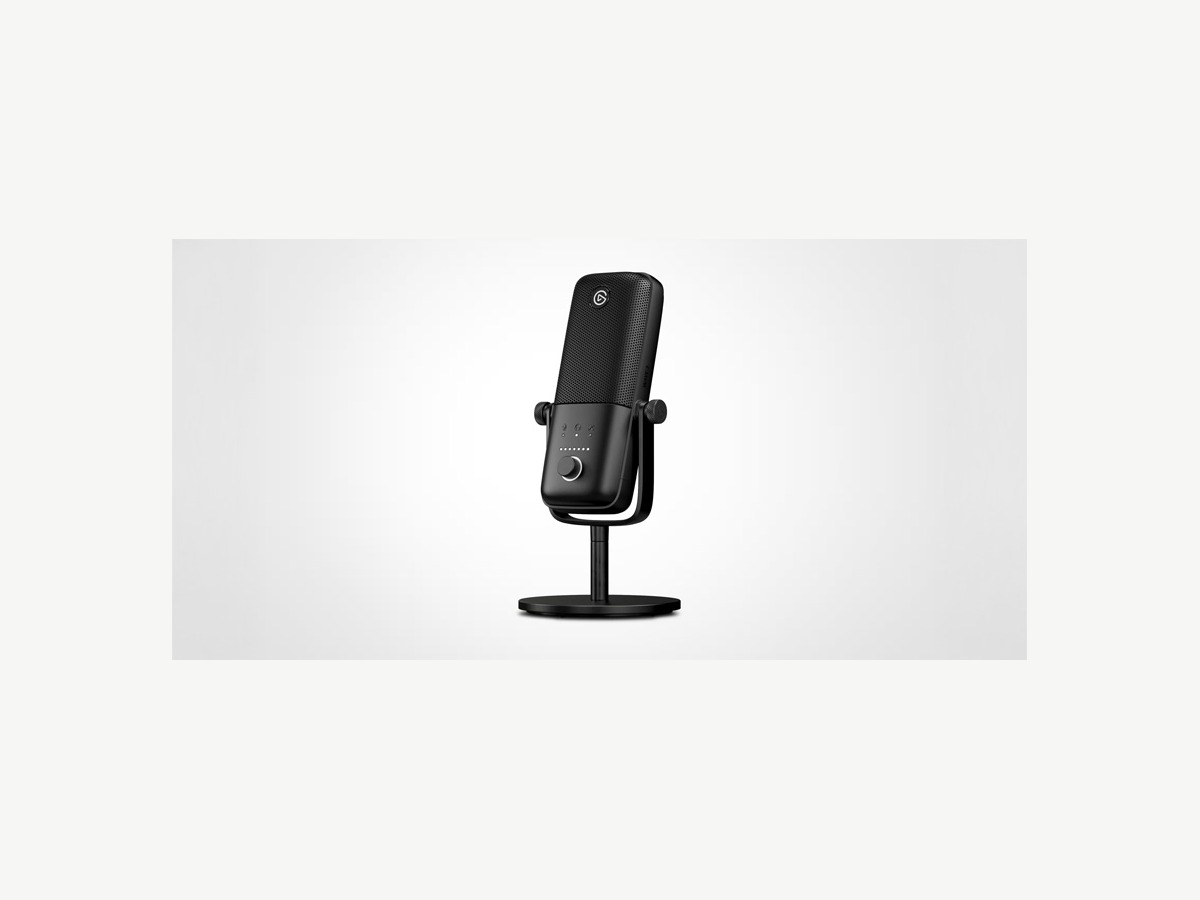
Elgato's Wave:3 is a USB condenser built around a streamer's desk, not a generic office call. The hardware gives you capacitive mute, a multifunction control, headphone monitoring, and a small desktop stand; the real reason to buy it is Wave Link, Clipguard, and the ability to manage game, chat, browser, and mic audio in one setup.
liked
The software identity is unusually clear. SoundGuys, PCMag, Elgato support material, video tests, and forum evidence all point to the same truth: the Wave:3 lives or dies by whether you want its audio-routing world. PCMag said some streamers may find Wave Link useful, and that is the right framing. When routing and clipping are your problem, the Wave:3 can feel clever in a way simpler mics cannot.
complaints
That same software can become the chore. If you only want to plug in and speak, routing apps, updates, OBS/Discord setup, and Elgato accessory decisions are more baggage than benefit. PCMag also noted the mute works quickly but can create a "tapping noise" when touched, and a Level1Techs forum report described the mic input as only sometimes working on Pop OS, so platform details deserve a final check before buying.
best for
Streamers and desk creators who want the microphone to sit inside a larger Elgato/Wave Link audio setup.
skip if
People who want the fewest settings, the strongest noisy-room rejection, or a mic that is independent of a software mixer.
Biggest issue
The risk is buying it for the mic and then ignoring the setup that makes it special. If Wave Link is not part of your plan, several simpler choices make more sense.
The Wave:3 is the best streamer pick because it solves streamer problems. For plain meetings it is less compelling; for a real streaming desk, it can be the most useful tool here.
#5 · Best clean-room condenser
RØDE NT-USB+
MSRP
—
Amazon
$169
at writing · 2026-05-14
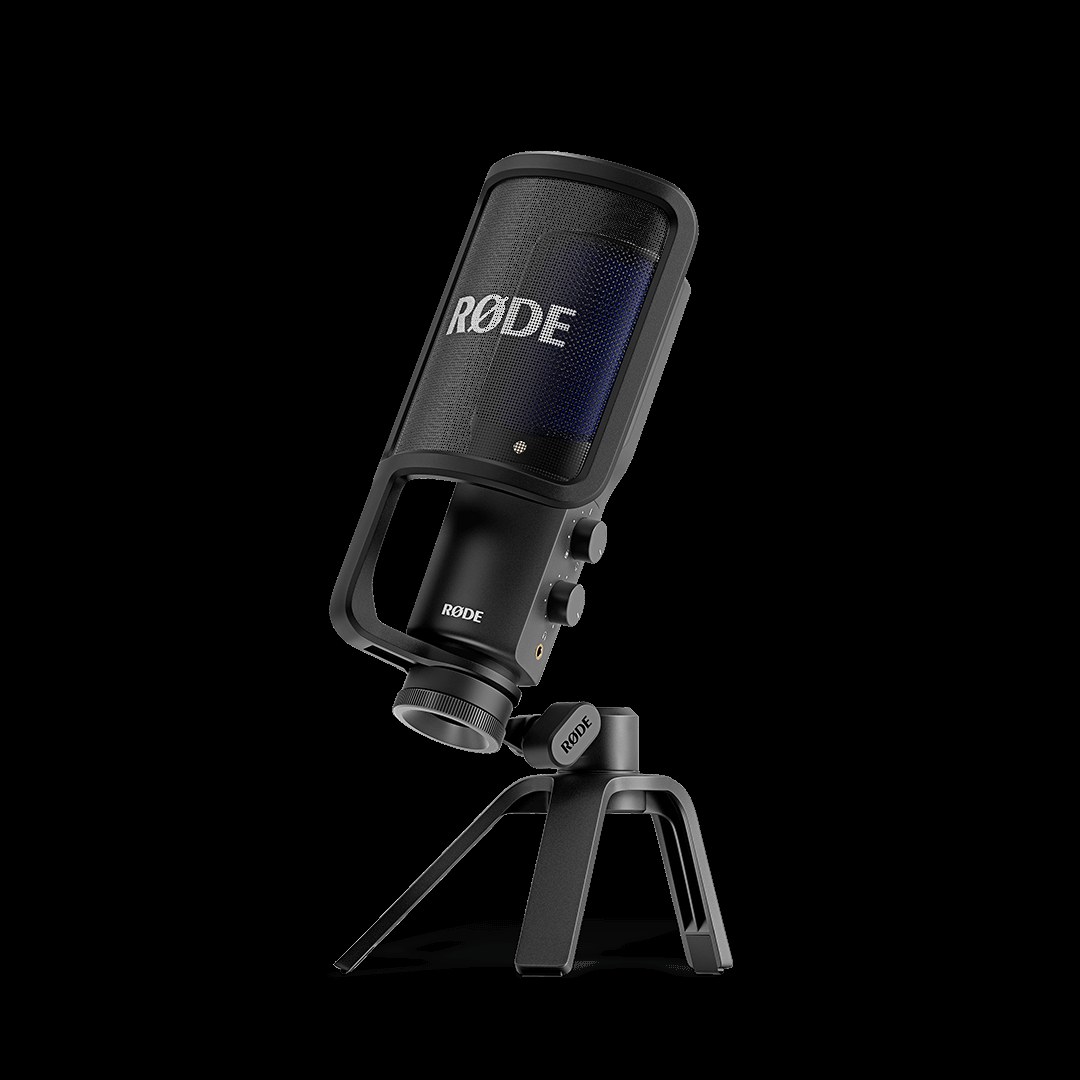
RØDE's NT-USB+ is the classic clean-room condenser lane: a USB-C side-address mic for people who want a more open, studio-like voice without building an XLR setup. It includes headphone monitoring and is commonly sold around a desktop tripod/ring mount and pop filter, so it feels like a simple recording kit.
liked
The best case is sound in the right room. A direct comparison against the Sennheiser Profile called it an "incredibly solid USB microphone" and praised the build as "solid and chunky, but in a good way." That is the NT-USB+ pitch: if your room is quiet and you want a present condenser tone, it is easy to understand.
complaints
The caution is just as important. The research trail is thinner than Shure, Elgato, or Sennheiser, and condensers are merciless when the room is bad. The same comparison noted the mic is "susceptible to handling noise," so do not treat the included pop filter as a magic shield against desk rumble, fan noise, or poor placement.
best for
Voiceover, podcast, and meeting users in quiet spaces who want straightforward USB-C condenser sound.
skip if
Shared rooms, clacky keyboards, untreated desks, or buyers who need clear onboard gain/mute control above all else.
Biggest issue
Its biggest risk is being too honest about your room. A nicer condenser can make a bad room more obvious, not less.
The NT-USB+ is a strong pick when the room is ready for it. If the room is not ready, choose a dynamic mic first.
#6 · Best RGB desk mic
HyperX QuadCast 2 S
MSRP
—
Amazon
$107
at writing · 2026-05-14
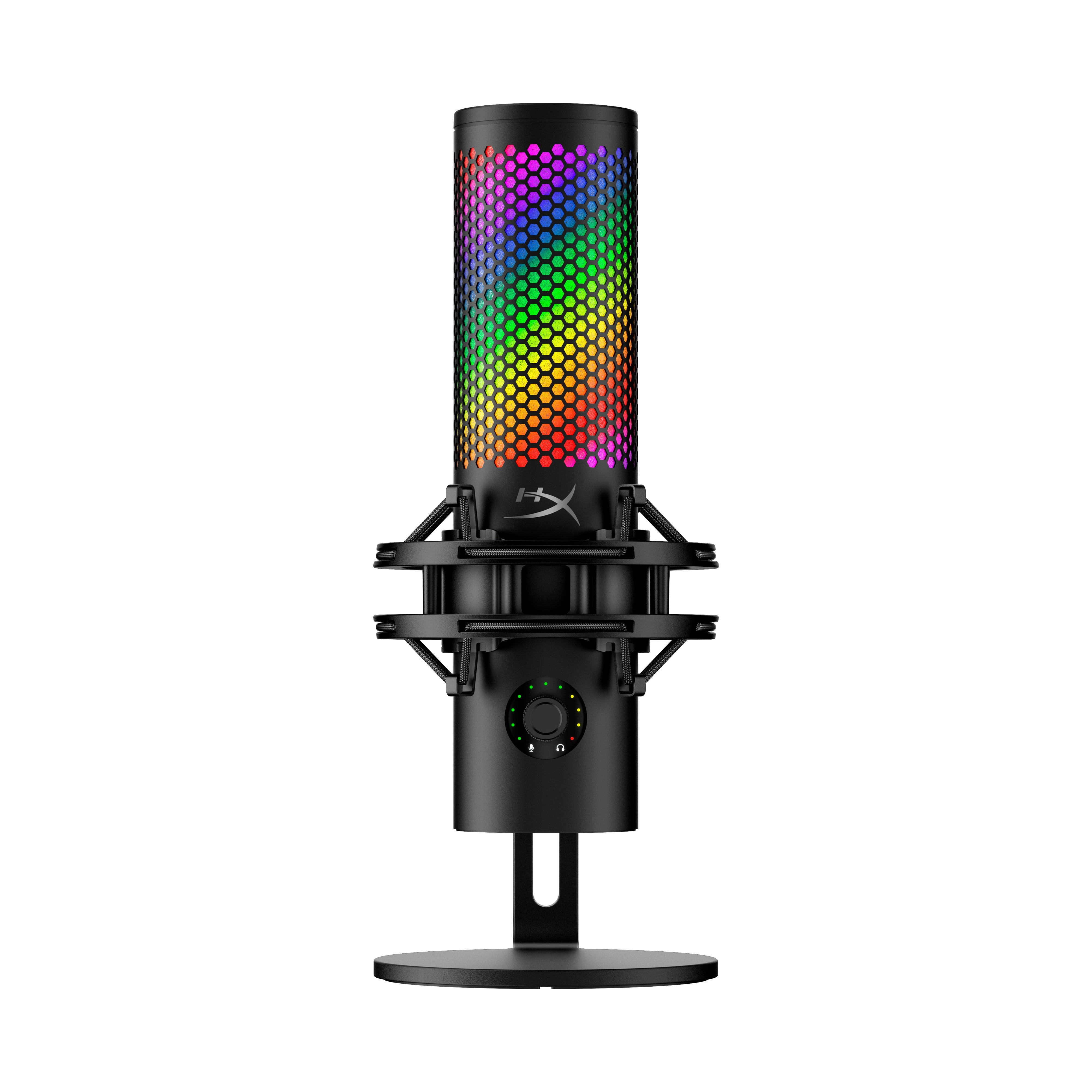
HyperX's QuadCast 2 S is the gaming-desk showpiece: a multi-capsule USB-C condenser with RGB lighting, four polar patterns, tap-to-mute, a headphone output, a multifunction knob, and an integrated shock mount/stand. It is built for people who want the mic to look and feel like part of a setup.
liked
The official and video evidence supports the feature bundle better than most gaming mics. It has the controls, patterns, RGB, and mount hardware people expect in this lane. One review called out the pickup-pattern display as "pretty neat," and another described the front wheel as a multi-control for gain and other adjustments. Those are small touches, but they make the mic feel less toy-like in daily use.
complaints
The same flexibility can create bad audio fast. Multi-pattern condensers are easy to leave in the wrong mode, and RGB software is another place for settings to distract. A QuadCast 2 S review also warned that the desktop stand is "a little bit short" and that the box "does not come with a pop filter," so the built-in hardware is helpful but not a complete room fix.
best for
Gamers and streamers who want a complete-looking desk mic with quick mute, patterns, RGB, and built-in mount hardware.
skip if
Minimalists, untreated rooms, buyers who do not care about RGB, or anyone who wants dynamic close-talk rejection.
Biggest issue
The QuadCast 2 S can make a desk feel finished, but the owner still has to choose the right pattern, manage gain, and keep it out of keyboard noise.
This is the best RGB desk mic in the set, not the best all-around voice tool. Buy it for the feature bundle; do not buy it expecting condenser physics to disappear.
#7 · Best familiar studio sound
Audio-Technica AT2020USB-X
MSRP
—
Amazon
$169
at writing · 2026-05-14
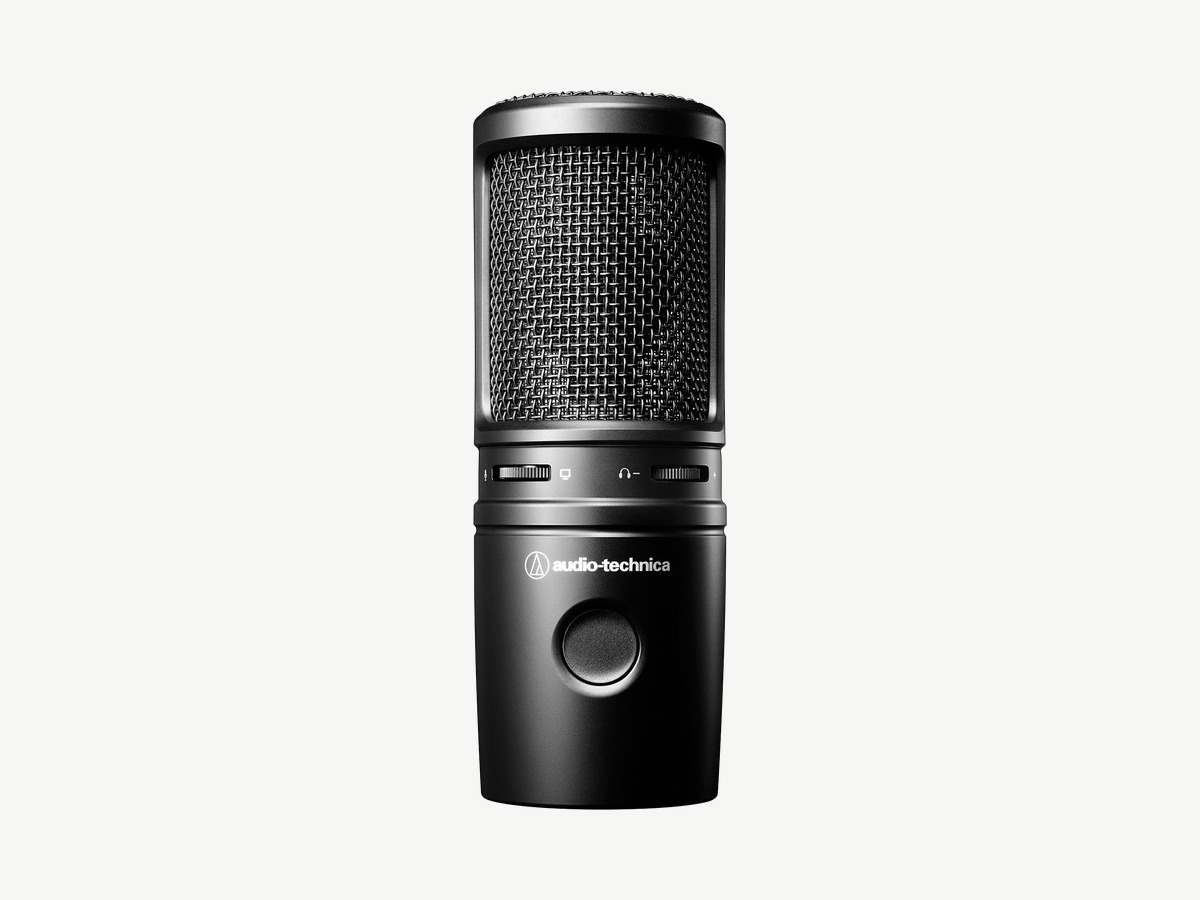
Audio-Technica's AT2020USB-X is the familiar studio-condenser option, borrowing its appeal from the long-running AT2020 family and updating the idea for USB-C. It is for shoppers who recognize the name and want a straightforward condenser voice rather than a gamer mic or software mixer.
liked
The available reviews make it useful as a reference point against other creator mics. It has headphone monitoring, touch mute, and the simple pitch of a known studio mic family in USB form. One video review said it does a "fantastic job" with voice and has a "nicely balanced full sound," which is the reason people keep considering this lane.
complaints
The limits are placement and proof. The current research is thinner on official/formal detail and owner patterns than several rivals, and it shares the condenser-room problem with RØDE and Sennheiser. That same positive review still said it "would definitely benefit from a pop filter," while another noted the stock base can be "a little bit wonky" if you add accessories casually.
best for
Buyers who like Audio-Technica's studio reputation and can control room noise, mic distance, and plosives.
skip if
Noisy desks, buyers wanting dynamic rejection, or anyone who expects a complete mount/pop/shock solution from the box.
Biggest issue
The product-family blur is real: AT2020, AT2020USB+, AT2020USB-X, and AT2020USB-XP evidence can run together if you are careless.
The AT2020USB-X is credible but not the easiest recommendation in this group. It makes sense for a quiet room and brand preference; otherwise the Sennheiser, RØDE, Shure, or Samson lanes are clearer.
#8 · Popular caution pick
Logitech for Creators Blue Yeti USB Microphone
MSRP
—
Amazon
$104.49
at writing · 2026-05-14
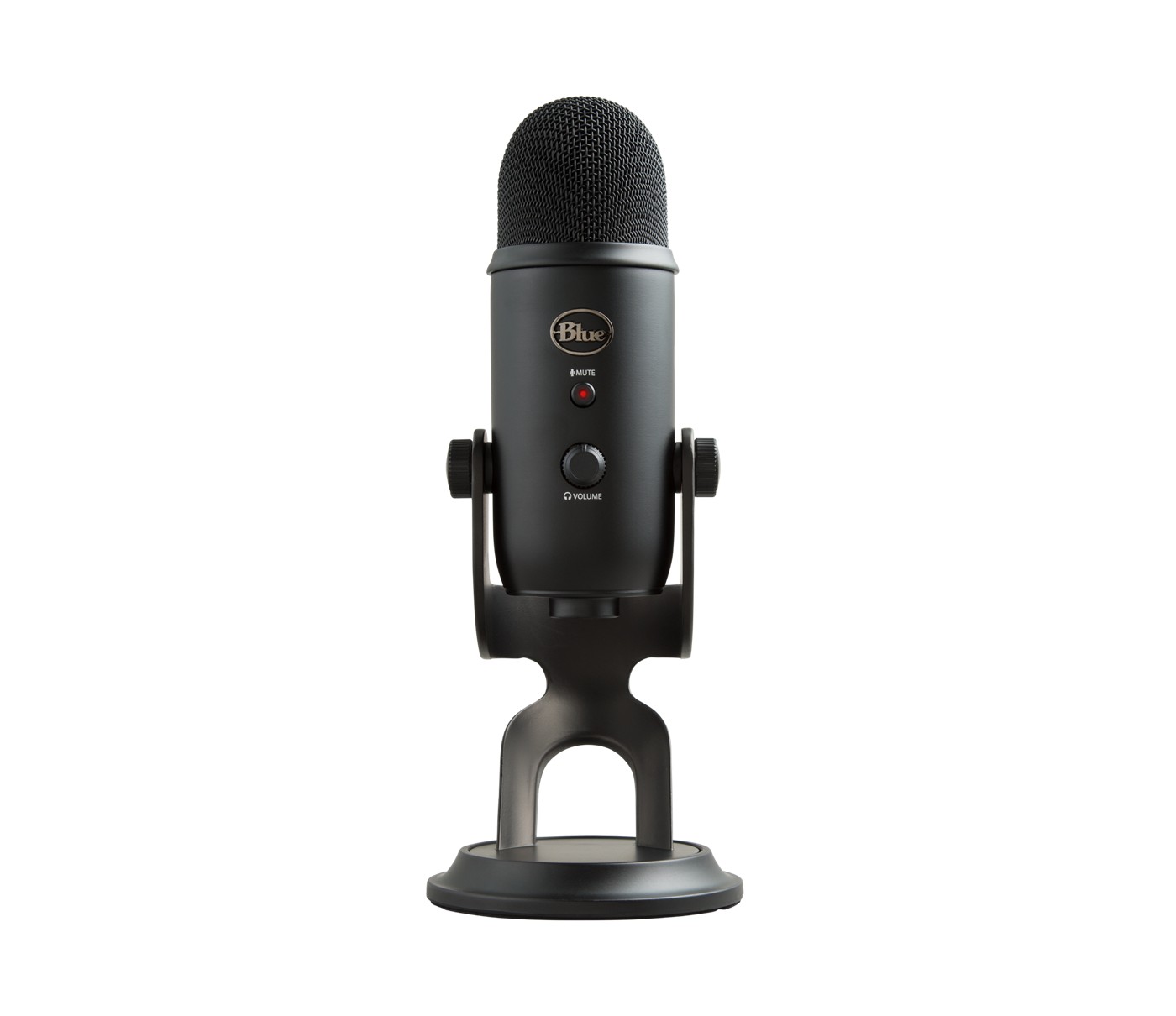
The Logitech for Creators Blue Yeti is the famous USB mic many shoppers already know. It is a multi-pattern condenser with a heavy desktop stand, headphone monitoring, gain, mute, and a long history on desks, streams, podcasts, and regret posts from people who used it in the wrong room.
liked
The Yeti still has real strengths: four patterns, familiar controls, lots of source material, and enough flexibility for a table discussion or a buyer who already understands gain and placement. One review praised its "wonderful array of features," and that is fair. Its popularity also makes it useful as a baseline because almost every USB mic shopper has wondered whether the Yeti is still enough.
complaints
For most noisy-room buyers, popularity is the trap. A side-address multi-pattern condenser on a heavy desk stand can hear keyboard hits, fan noise, room echo, and desk bumps unless placement is disciplined. In a comparison with background noise, one transcript warned that when speech starts, "you hear that fan really loud" — exactly the surprise casual Yeti buyers are trying to avoid.
best for
Buyers who specifically need multi-pattern capture and know how to control room noise, gain, and mic position.
skip if
Most keyboard-heavy streamers, shared rooms, untreated offices, or anyone who wants a simple close-talk podcast sound.
Biggest issue
The biggest issue is not that the Yeti is bad. It is that too many people buy it as the safe default when a dynamic mic would protect them better.
The Yeti belongs here as a warning pick. It is recognizable and capable, but if your room is the problem, it is not the answer.
05 · How This Review Works
This ranking treats a USB microphone like something that has to survive a real desk, not a spec sheet. We compared current listings, official specs, formal reviews, creator voice tests, support notes, forum reports where available, and product-specific research for all eight kept mics.
The score rewards the boring things that decide daily happiness: whether your voice stays clear, how much room and keyboard noise sneaks in, whether mute and gain are obvious under pressure, how much setup the software demands, and whether the included stand or mount makes sense on a normal desk.
Price is handled as shopping context, not hidden inside the sound score. A $99 dynamic starter mic and a $299 Shure hybrid are making different promises. The goal is to show which compromise you are buying before you click checkout. Some products have thinner owner history than others, so those picks get more cautious reliability language instead of fake certainty.
06 · Quick Verdict
If you record or meet from a normal, imperfect room, start with Shure MV7+ if the price works. It is the safest overall pick because the dynamic capsule, USB/XLR path, headphone monitoring, touch controls, and Shure processing tools all aim at the same problem: getting a focused voice without building a studio.
If you want a simpler USB-C desk mic for a quieter room, Sennheiser Profile USB is the friendliest runner-up because the controls are clear and the setup does not revolve around a heavy app. If you want to spend less and still protect yourself from room noise, Samson Q2U is the budget dynamic pick. Elgato Wave:3 makes the most sense when Wave Link is part of your streaming setup; RØDE NT-USB+ and AT2020USB-X are quiet-room condenser options; HyperX QuadCast 2 S is the RGB desk pick; and Blue Yeti is the famous model to buy deliberately, not by default.
07 · Best Fit for You
Choose Shure MV7+ if your room is not perfectly quiet and you want the best mix of close-talk voice focus, USB convenience, XLR headroom, monitoring, and helpful processing. Choose Sennheiser Profile USB if you want a straightforward condenser with hardware controls you can understand at a glance.
Choose Samson Q2U if budget matters and you would rather buy a less fancy dynamic mic than fight room noise with a condenser. Choose Elgato Wave:3 if you stream and actually want Wave Link routing. Choose RØDE NT-USB+ if your room is quiet and you want a polished condenser kit.
Choose HyperX QuadCast 2 S for RGB, patterns, mute, and integrated desk hardware. Choose AT2020USB-X for a familiar studio-condenser lane. Treat Blue Yeti as a deliberate multi-pattern choice for controlled rooms, not the automatic safe pick for every desk.
08 · What to Do Next
Before you buy, decide where the mic will sit. If it will be a foot away next to a keyboard, many of these will disappoint you. If it can sit close on a boom arm, even a modest dynamic mic can sound more trustworthy than a fancy condenser parked across the desk.
Then decide how much setup you will tolerate. Shure gives you useful processing, Elgato gives you routing power, HyperX gives you lighting and patterns, and Sennheiser/Samson keep the setup simpler. If you never want to open a control app, do not buy a mic whose best feature lives in one.
Finally, check the live Amazon listing before you commit. USB microphones move through bundles, colorways, old variants, and price swings quickly. Make sure the listing is new, the exact model matches this article, and the included stand/cable/accessory package is the one you expect.
Feedback loop
Tell us what this page missed.
These pages get better when real buyer complaints make it back into the scoring model. If something important is underweighted, say it.
Rate this review
Give it a score from 1-10 and tell us what to improve.
0/4000 characters