Samson Q2U Review (2026): The Budget Dynamic Mic That Still Makes Sense
A close look at the Q2U for buyers who want cheap USB/XLR voice capture, room forgiveness, and a day-one starter kit—with plosive and stand caveats up front.
The Samson Q2U is our best budget dynamic USB microphone: practical, flexible, and forgiving in imperfect rooms, but clearly less polished than premium desktop mics.
MSRP
—
Amazon
$99.99
at writing · 2026-05-14
Buyer fit
A budget dynamic USB/XLR mic with a forgiving close-talk sound and useful starter bundle; less polished on the desk, but very sensible.
MSRP
—
Amazon
$99.99
at writing · 2026-05-14
Score breakdown
How this product scored
Same rubric, but focused on one product so the reasons behind the score stay readable.
Speech sound quality
Good close-talk speech for the money, with a focused dynamic sound that can become bright/sibilant and less refined than premium mics.
Room and desk-noise rejection
Better noisy-room odds than cheap condensers when used close, though desk shocks and handling noise still need a stand/arm fix.
Controls and monitoring
Headphone monitoring and a physical on/off switch help, but there is no modern gain knob, metering, or app control surface.
Software and USB setup
Plug-and-play simplicity is a strength: fewer app chores, fewer routing surprises, and easy day-one USB use.
Mounting and desk fit
The included tripod and clip get a beginner started, but low placement, desk bumps, and shock noise make a better arm or stand likely.
Use-case flexibility
USB plus XLR is the main win: direct computer recording now, interface or backup-recorder use later.
Reliability and support
Build feels better than the price suggests and the model has a long recommendation trail, but accessories and older USB hardware temper confidence.
Evidence confidence
Useful hands-on transcript evidence, comparison testing, and exact commerce identity; less broad owner/support evidence than a higher-confidence pick.
Quick Verdict
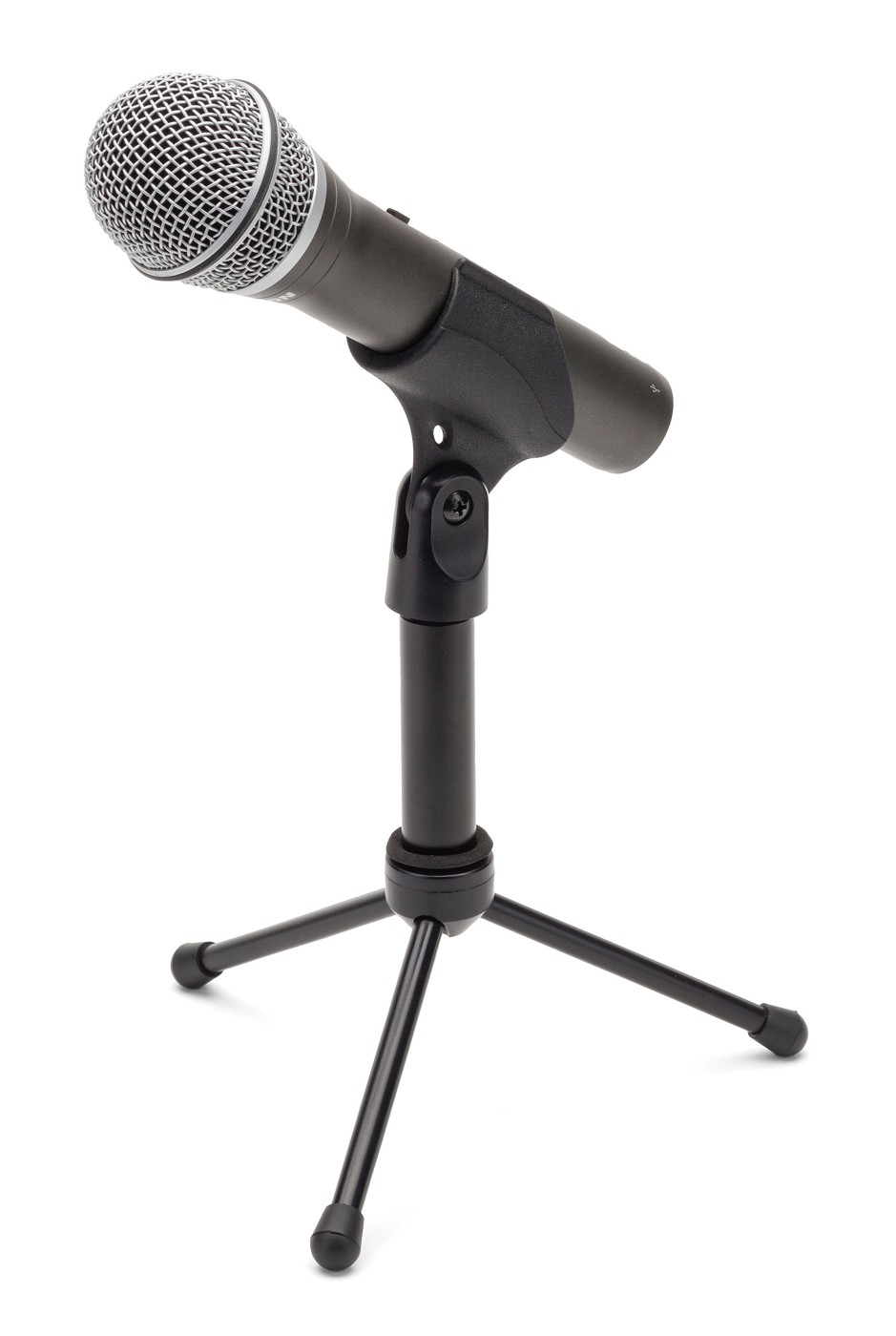
If a Shure MV7+ costs too much and a condenser mic will hear your whole room, the Samson Q2U is the boring-smart budget pick worth slowing down for. It is not trying to look like a tiny studio sculpture. It is a handheld-style dynamic mic with USB, XLR, headphone monitoring, a physical on/off switch, and the kind of starter bundle that gets a beginner recording before the enthusiasm leaks out.
That is why it ranked #3 in our Best USB Microphones in 2026 guide as the Best budget dynamic pick. The important regret check is not whether it can sound good; the review evidence says it can. One long-running review calls it “one of my most recommended microphones of all time” and identifies the core appeal clearly: it is a “usb and xlr dynamic microphone” (source). The real question is whether you will tolerate the cheap-mic chores: close placement, plosive control, a better arm if your desk bumps, and no sleek app layer to hide mistakes.
At our price check, the exact Amazon item checked was ASIN B001R747SG, recorded as available-new at $99.99 on 2026-05-14T22:14:12Z. The seller, condition, bundle, and price should be refreshed before checkout. Use the product link to check today’s price and availability; buying through it helps support KB4UB.
Score Breakdown
Overall score: 7/10. That score is not a backhanded compliment. It means the Q2U is a very sensible budget dynamic mic that solves the right problems for a lot of desks, while still feeling like a budget mic in controls, mounting polish, plosive handling, and electronics.
- Speech sound quality: 7/10 — Close up, the Q2U can give you usable, focused voice without asking for a full interface setup. It is not as refined as the Shure MV7+, and one reviewer calls the top end bright and “articulate” rather than fully natural (source).
- Room and desk-noise rejection: 8/10 — The dynamic capsule is the whole budget win. Used close, it gives imperfect rooms better odds than cheap condensers. The same transcript specifically checks typing noise “with gatoron blue switches” to hear voice versus keyboard pickup (source).
- Controls and monitoring: 6/10 — Headphone monitoring and the physical on/off switch are genuinely useful. The missing piece is a modern control surface: no onboard gain knob, no LED meter, and no software polish like Shure or Elgato.
- Software and USB setup: 9/10 — This is mostly plug in, select the mic, and record. That is a feature if you hate setup chores. It is also why there is less app rescue when your placement is bad.
- Mounting and desk fit: 6/10 — The included tripod gets you started, not finished. Desk thumps, handling noise, and low placement are the main ways this mic reminds you it is cheap.
- Use-case flexibility: 9/10 — USB now and XLR later is the Q2U’s killer move. You can record straight into a computer today and move to an interface later without replacing the mic.
- Reliability and support: 7/10 — Build evidence is better than the price suggests, and the model has a long recommendation trail, but the old-school USB hardware and budget accessories keep this from feeling bulletproof.
- Evidence confidence: 7/10 — The evidence here is heavily YouTube/transcript-based, with strong hands-on testing and exact Amazon identity, but less broad owner-forum/support evidence than I would want for a higher confidence score.
What Feels Great Right Away
The first pleasant surprise is that the Q2U does not feel like a toy. One hands-on review says that for something “super cheap,” it “doesn't feel cheap” and has enough heft to feel serious (source). Another review says the build feels “surprisingly good for such a cheap microphone,” with an “all-metal body,” metal grille, and real weight (source). That matters because budget mics often lose trust before you even hear them.
The second win is how quickly a beginner can be recording. The hands-on reviews repeat the same practical kit story: mic, clip or mount, small desktop stand, USB cable, XLR cable, and foam windscreen. One transcript puts the appeal bluntly: “you can pull it out of the box and start recording day one” (source). For someone starting a podcast, remote-work setup, Discord channel, voiceover habit, or first YouTube desk, that is huge.
The quiet delight is the upgrade path. You can use USB when you have no interface, then use XLR later if you buy one. You can even split USB to one machine and XLR to another recorder or interface as a backup, which one review calls “really useful” (source). Most cheap mics give you a dead end. The Q2U gives you a cheap first step that does not punish you for learning.
Setup and Daily Use Notes
The best Q2U setup is simple and a little unglamorous: put it close, aim it slightly off the direct blast of your mouth, keep gain conservative, and use headphones for a quick check. This is not the mic to park beside your monitor and hope for the best. It wants to be worked like a small dynamic vocal mic.
The included tripod is useful for day one, but it is not the ownership endgame for everyone. If the mic sits low on the desk, you may lean into it awkwardly or turn up gain to compensate. If the desk moves, the mic can hear bumps. If you plan to use it daily, a cheap boom arm or sturdier stand is often the accessory that makes the Q2U feel much less cheap.
The controls are also old-school. The physical on/off switch is more useful than it looks; one reviewer calls out that “having that physical mute capability will really come in handy if you're in any kind of online meeting” (source). But you do not get the front-facing gain/mix/meter layout of the Sennheiser Profile, the MOTIV Mix tools of the Shure MV7+, or the routing toys of the Elgato Wave:3. The Q2U’s personality is: plug in, place it correctly, and do not overthink it.
What Gets Annoying
The biggest annoyance is plosives. This is not a tiny nitpick if you speak straight into the grille. One transcript says the microphone is “pretty bad with plosives,” then calls the pizza-pronto test “absolutely brutal” (source). Use the foam windscreen, leave a little space, angle the mic, and do a test recording before anything important.
The second annoyance is handling and desk noise. The same reviewer says the handling noise is “not that great” and that it “doesn't reject shocks that well,” so you need to be careful with it (source). Another hands-on clip also flags handling noise as “pretty bad,” while still keeping the caveat in perspective because the mic is cheap (source). Translation: do not hand-hold it casually during a serious recording, and do not trust the little tripod to isolate a thumpy desk.
The third annoyance is tone fit. The Q2U can be bright and a little sibilant. If your voice already bites on S sounds, you may need a de-esser, darker mic placement, or a different mic. If you are recording music, singing, or anything more demanding than spoken voice, the budget character becomes easier to hear.
Reliability, Build, and Ownership Reality
The Q2U’s ownership story is stronger than a lot of budget gear because people keep coming back to it years later. The evidence includes a re-review framing it as a long-standing recommendation, and another creator says, “I use it every day in my business” while praising the audio quality (source). Do not treat that as laboratory durability proof, but it is a useful signal: this is not just a flashy new desk mic with one launch-week opinion.
The hardware evidence is also reassuring for the price. Metal body, metal grille, and substantial weight show up in the hands-on transcript (source). The risk is not that it immediately feels disposable. The risk is the budget ecosystem around it: basic stand, foam windscreen, older USB connection style, and fewer modern controls.
Ownership advice is boring because boring is what keeps this mic good: do not yank the cable, do not treat the switch like a fidget toy, do not record with the mic sitting on a rattly desk, and keep a windscreen or pop filter in the setup. If you do those things, the Q2U is one of the cheaper ways to get a respectable voice signal out of a normal room.
How It Compares With the Other USB Mics
Compared with the Shure MV7+, the Samson Q2U is the value gut-check. Both are dynamic USB/XLR mics, and both reward close placement. The Shure is more polished, more controllable, and safer for buyers who want app help, USB-C, LED feedback, and better plosive tools. The Q2U is for the buyer who says: I can live without the fancy layer if the core voice result is good enough.
Compared with the Sennheiser Profile USB, the Q2U is less elegant but more protective in a noisy room. The Profile has better body controls and a cleaner desk vibe. The Samson has the dynamic close-talk advantage and XLR path. Choose Profile for a quiet room and simple controls; choose Q2U for budget voice focus and fewer room reflections.
Compared with Elgato Wave:3, RØDE NT-USB+, AT2020USB-X, HyperX QuadCast 2 S, and the Blue Yeti, the Q2U trades openness, looks, patterns, RGB, and software for room forgiveness. It is not the mic I would pick for a two-person desk interview or a pretty streamer shot. It is the mic I would check first when the room is bad, the budget is real, and the buyer can keep the mic close.
For the full shortlist and category ranking, see Best USB Microphones in 2026.
Who Should Buy It
Buy the Samson Q2U if you want a cheap, practical voice mic for podcasting, calls, streaming, narration, online classes, Discord, or first-time recording in a less-than-perfect room. It is especially good for someone who wants USB now but likes the idea of XLR later.
Also buy it if you value function over desk glamour. One reviewer’s summary is almost exactly the buyer lane: the Q2U “checks a lot of boxes for a lot of people,” and if someone wants to start recording without much money, it is an “easy recommendation” (source). That does not mean it beats premium mics. It means it gets the important beginner tradeoffs right.
Skip it if you want a sleek side-address mic, modern USB-C polish, onboard gain/metering, app processing, multi-pattern capture, or a premium-feeling desk setup out of the box. Also skip it if plosives, sibilance, or stand noise will drive you mad and you do not want to add a better stand/pop-control setup.
Bottom line: the Q2U is the scrappy budget dynamic pick for people who would rather spend money on getting started than on looking fancy. It asks for a little mic discipline, but it pays you back with useful voice capture, USB/XLR flexibility, and a price-to-performance story that still makes sense.
Tell us what this page missed
These pages get better when real buyer complaints make it back into the scoring model. If something important is underweighted, say it.
Rate this review
Give it a score from 1-10 and tell us what to improve.
0/4000 characters