
The recommendation
Start with OXO for straightforward handling and access, or the Encore ESP for direct controls and demonstrated tool-free burr removal. Choose the other models for the specific routine you prefer.
The shortlist, at a glance
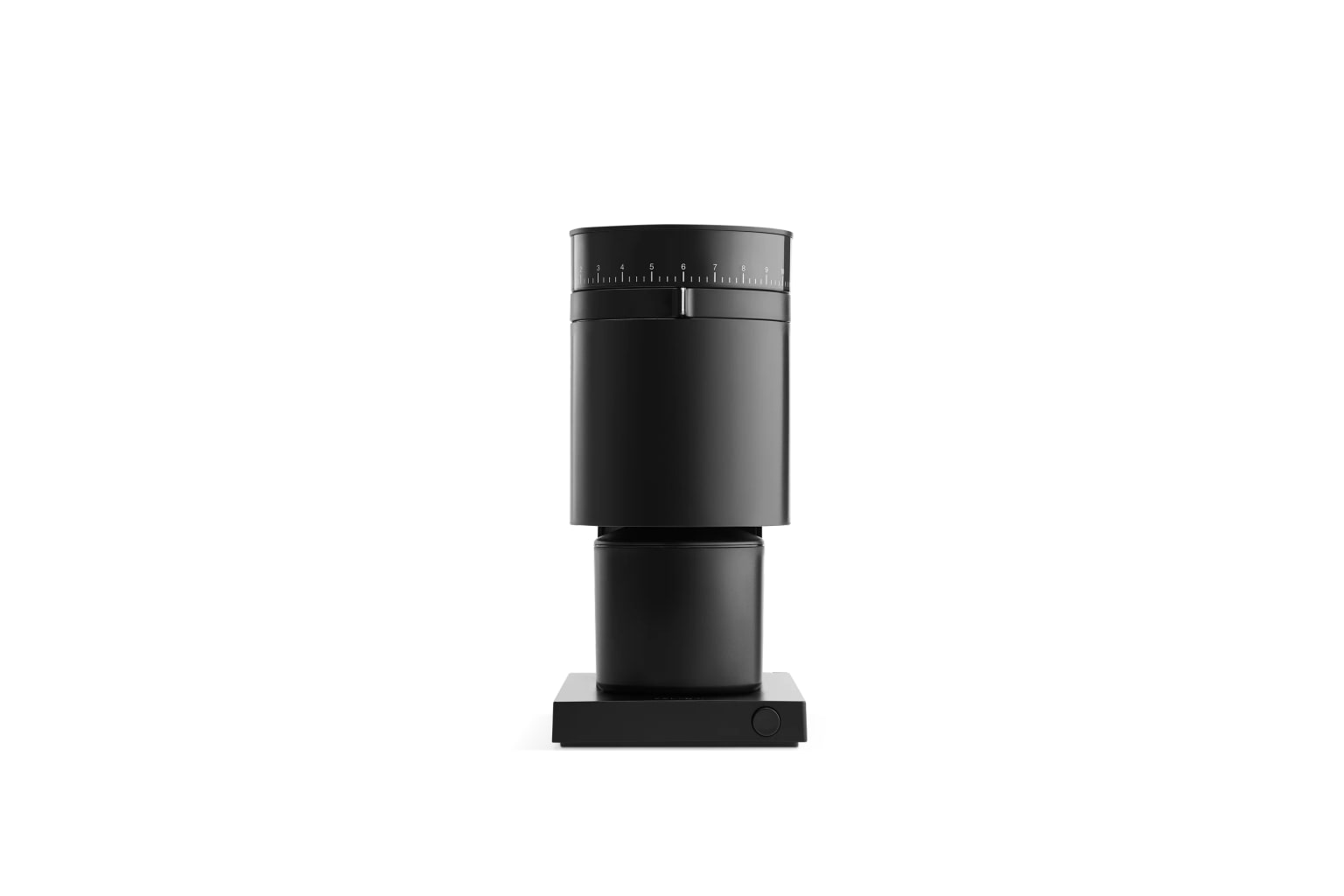
A routine where you are willing to learn two adjustment references
Fellow Opus Conical Burr Coffee Grinder, Matte Black →
Grades at a glance
| Product | Overall | Filling and handling | Control selection | Bin and burr access |
|---|---|---|---|---|
| Baratza Encore ESP Coffee Grinder ZCG495BLK, Black | 8.5 | 8.0 | 8.5 | 9.0 |
| 1Zpresso J-Ultra Manual Coffee Grinder, Iron Gray | 7.8 | 8.5 | 7.0 | 8.0 |
| Baratza Virtuoso+ Coffee Grinder ZCG587BLK, Black | 7.4 | 7.5 | 7.5 | 7.0 |
| OXO Brew Conical Burr Coffee Grinder | 8.8 | 9.0 | 8.5 | 9.0 |
| Breville BCG820BSS Smart Grinder Pro | 8.5 | 9.0 | 7.5 | 9.0 |
| Fellow Opus Conical Burr Coffee Grinder, Matte Black | 7.2 | 8.5 | 5.5 | 7.5 |
Compare your shortlist
Does it fit your life?
Choose the routine you want to repeat
The best grinder for your routine should make the ordinary chores feel reasonable: adding beans, finding a setting, handling the receiver and reaching the parts you intend to clean. In this comparison, OXO and the Baratza Encore ESP make the strongest case for straightforward interaction. OXO combines a locking removable hopper, timer/button controls and a removable upper burr. The Encore ESP offers a direct pulse button, numbered selection and a demonstrated tool-free route to its burrs.
They are useful starting points, but they do not make every other choice redundant. Breville’s Smart Grinder Pro offers several visible selection references and helpful removable parts. The Virtuoso+ puts a backlit time setting in front of you. The J-Ultra brings a comfortable-grip comparison and magnetic cup to a manual routine. The Opus places useful references inside its lid while asking you to learn two adjustment rings.
Our scores address filling and handling, ordinary control selection, and access to the grounds bin or burrs. They do not rank coffee flavor, grind consistency, extraction, output, speed, noise or lifespan. An overall handling score is a starting point for this particular decision; the specific chore that matters most to you should decide the shortlist.
OXO: the clearest case for straightforward access
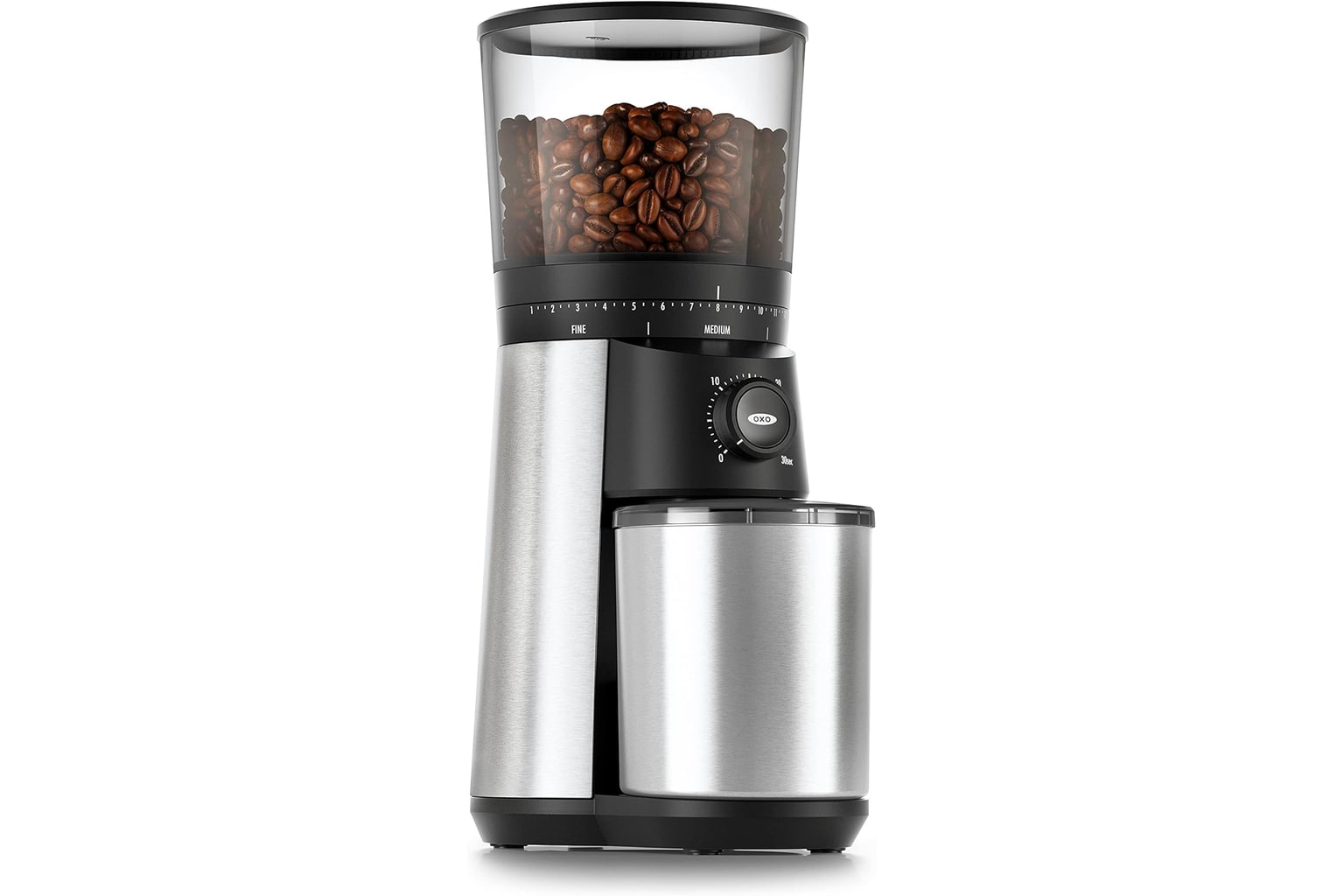
The OXO presentation shows the hopper locking, unlocking and coming off so beans can be emptied. It also shows the upper burr being removed. That combination gives OXO a concrete advantage for buyers who want to understand how the appliance comes apart before they buy. A removable part is most useful when it solves a chore you expect to do.
Its timer and button provide a direct control arrangement. The favorable assessment here concerns that interaction, rather than an assumption that selecting a time gives an exact amount of coffee. Choose OXO when simple selection and convenient access sound like your priorities. Compare Breville if hopper removal is the main attraction, or the Encore ESP if you want the most directly described tool-free burr procedure.
Physical access is not the same as proven cleaning effectiveness. The removable upper burr is the reason for the favorable access assessment; it does not establish how often you will need to clean or guarantee a maintenance result.
Encore ESP: direct controls, clearly shown disassembly
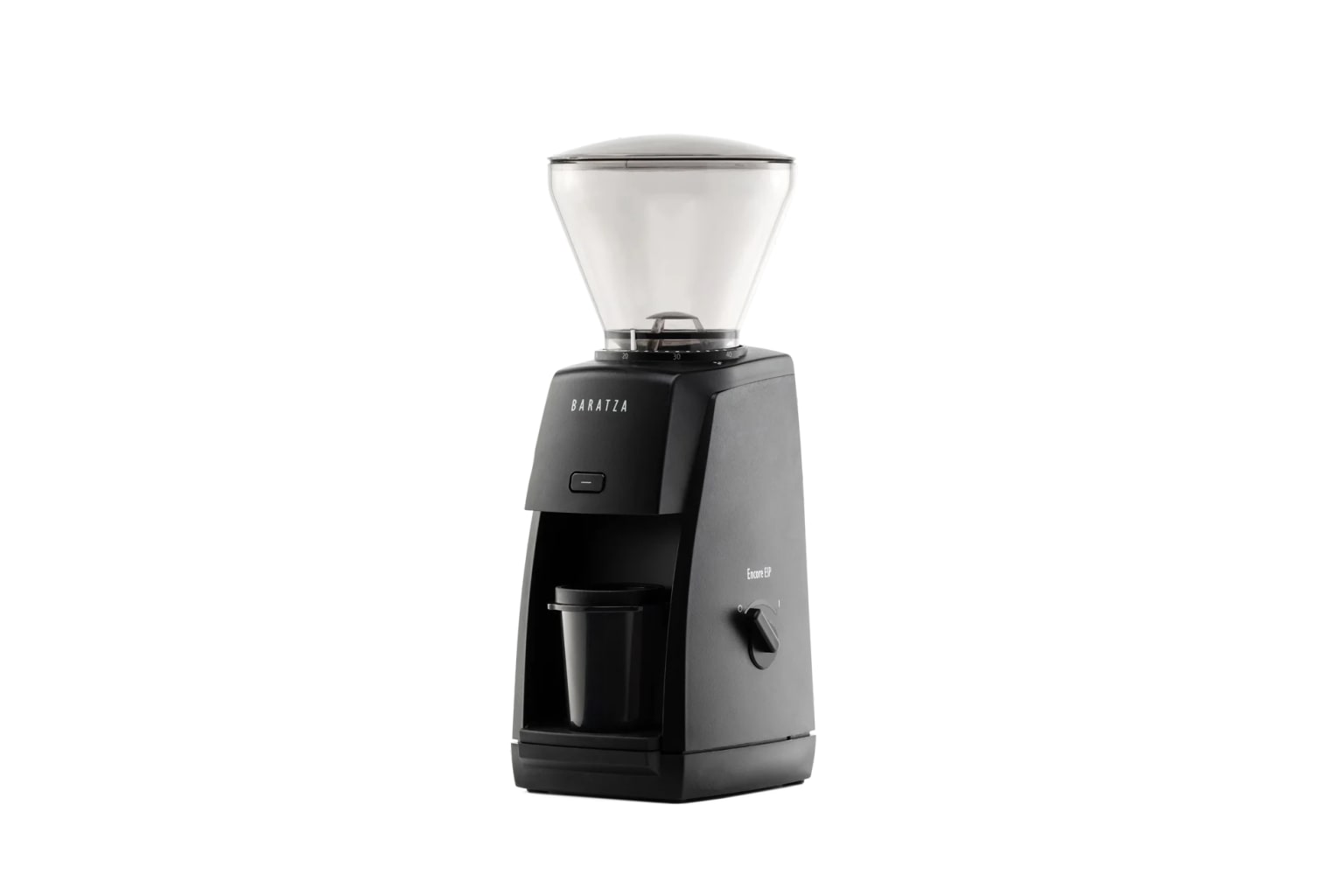
The Encore ESP is the most natural starting point if you want a direct pulse button and a numbered hopper position. The cited presentation shows those controls in use and demonstrates burr access without a separate tool. That makes its case easy to understand for someone who would rather avoid a layered interface.
The light plastic body is the handling compromise. It may appeal if you want to reposition the appliance, while someone who wants a heavier exterior may find the feel less satisfying. That is a preference about handling, not a prediction of durability.
Tool-free access still involves parts, alignment and reassembly. The demonstration makes the chore more approachable, but it does not make careful assembly optional. Choose the Encore ESP for the direct controls and accessible parts when those are the things you value. Compare the Virtuoso+ if you specifically want a visible time readout.
Smart Grinder Pro: more visual references
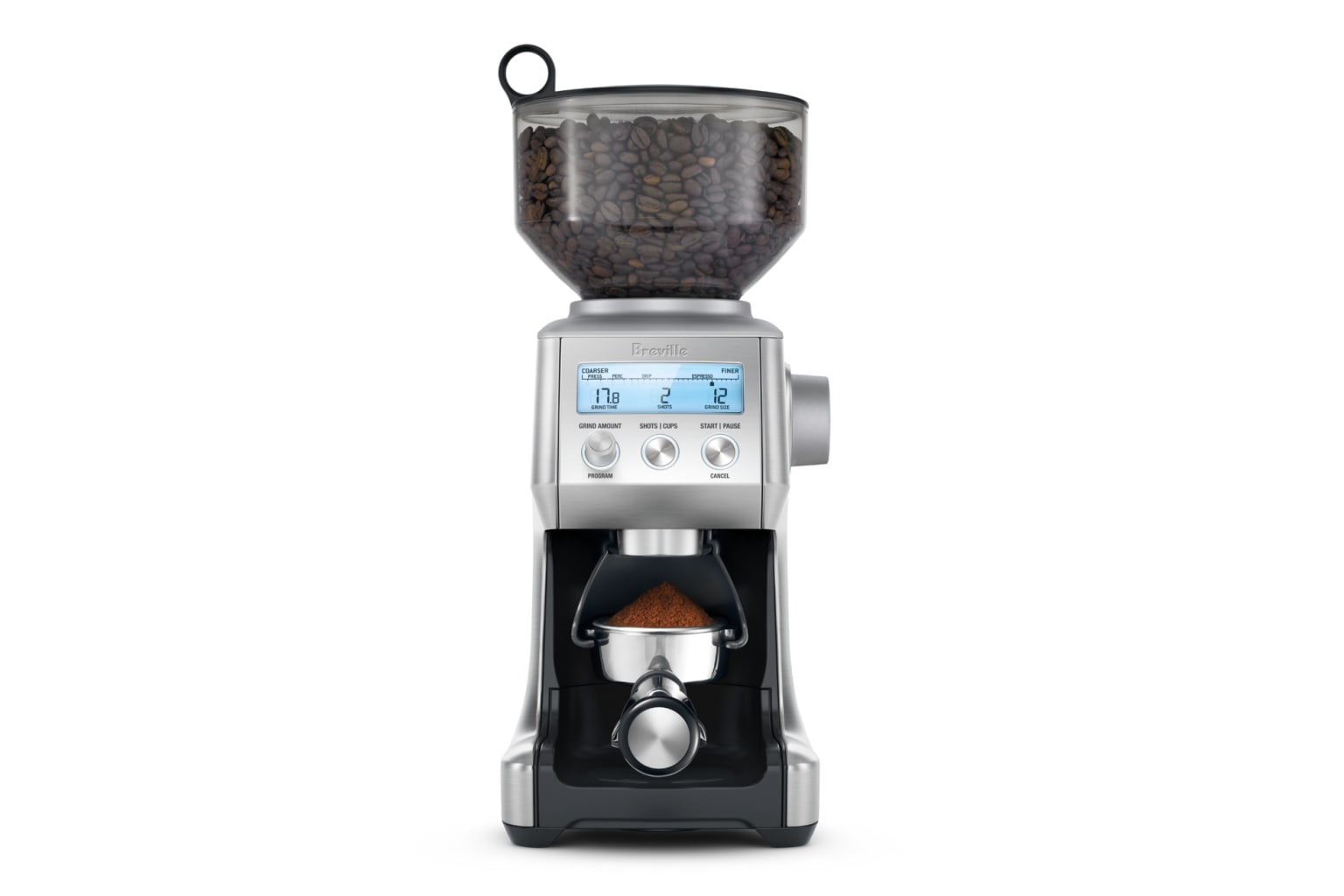
Breville’s Smart Grinder Pro has several practical handling details. The cited reviewer likes the ring-pull lid and describes a hopper control that closes the chute while unlocking the hopper. The upper burr and lower section are also described as removable for access. Those are useful conveniences for buyers who expect to handle more than the front controls.
Its interface gives several reference points: a displayed number, a scale and a side adjustment dial. That can appeal when you want visible cues about a selection. The reservation is the additional cup/shot control, which the reviewer finds redundant and potentially confusing alongside time and size selection.
Choose Breville if the reference points help you and the extra control sounds manageable. If you want to make fewer interface decisions, compare the Encore ESP or OXO. If the hopper design is your main attraction, compare it directly with OXO’s locking arrangement rather than assuming the display is the deciding feature.
Virtuoso+: a timer you can see
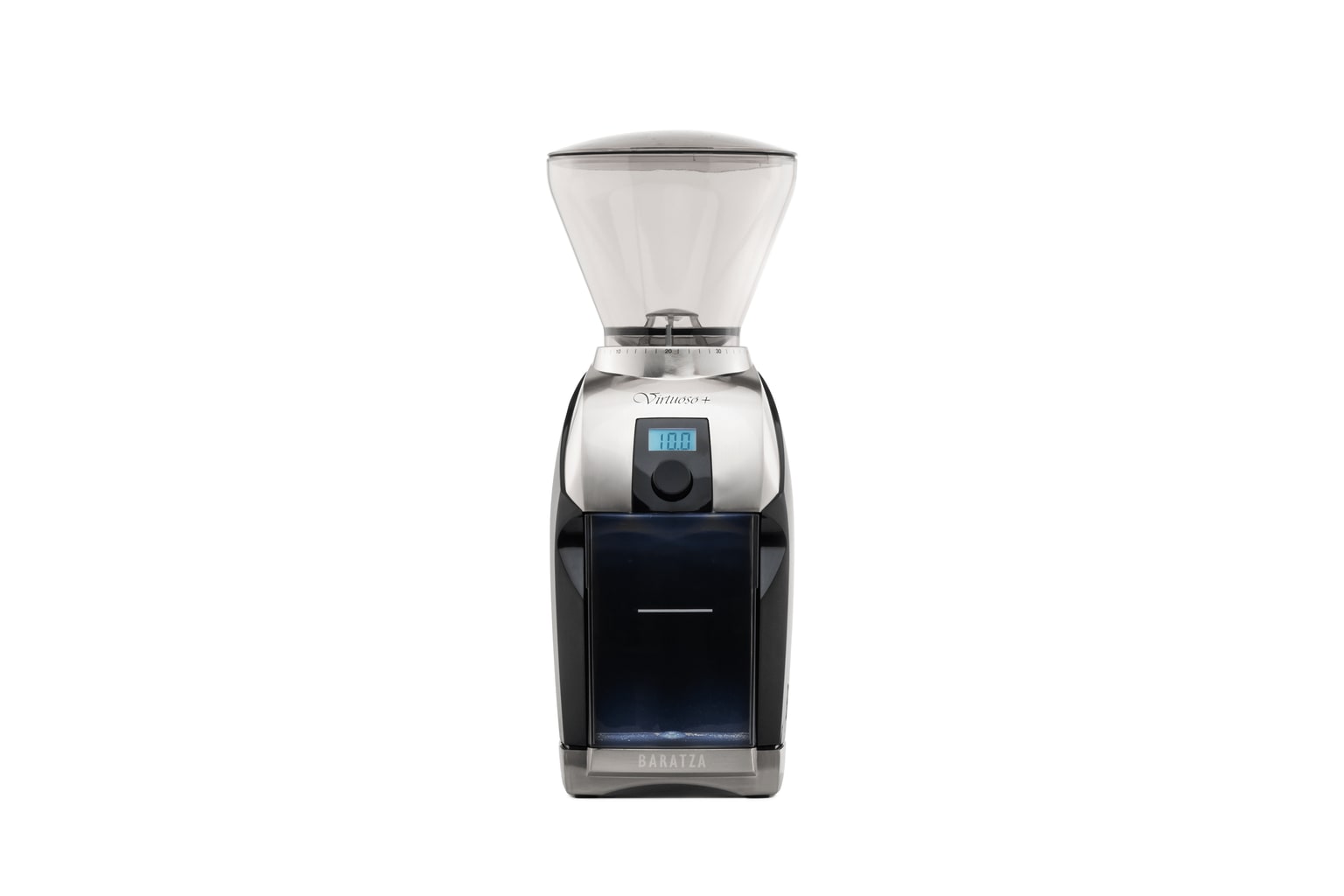
The Virtuoso+ offers direct hopper filling, a removable receiver and a backlit time display. Its clearest appeal is the ability to view the selected duration. If you like checking a readout before starting, this is a different interaction from the Encore ESP’s direct pulse button.
The cited presenter notes a small control catch: after moving past an intended time, turning back uses finer increments and takes more adjustment. They prefer continuing around the range in that demonstration. A buyer who often overshoots a dial setting should pay attention to that behavior. The historical demonstration does not guarantee the control behavior of a later revision.
The removable receiver lets you carry the grounds to the next preparation step. The Virtuoso+ is worth considering if you prefer to check a visible time setting before starting, with the fine reverse increments as the main control tradeoff.
J-Ultra: comfortable grip with manual work
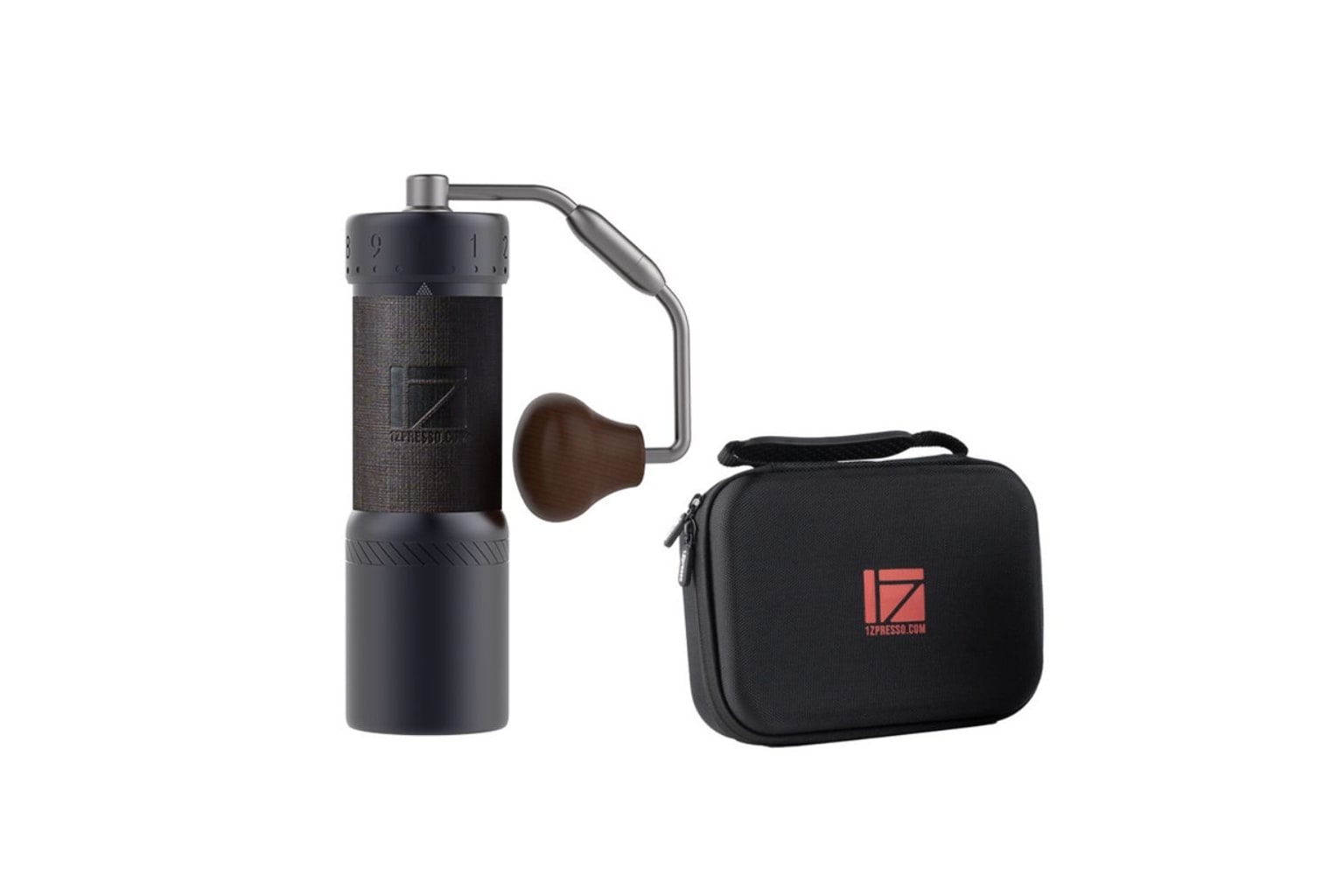
The J-Ultra changes the interaction more fundamentally than a different electric control panel. You hold it and turn a handle. The Coffee Chronicler finds the slimmer body more comfortable to hold than the J-Max, while also describing the force involved. Those observations belong together: a better grip can be welcome without removing the manual task.
Its adjustment system includes a rotation indicator, but remembering a setting can still involve tracking more than one rotation. If you often move between positions, plan to record the rotation as well as the marked number. That is the main control tradeoff in this comparison.
The magnetic catch cup is described favorably for daily use, and the demonstration includes knocking grounds down before transfer. Choose it when the hands-on routine appeals to you; compare an electric option when avoiding hand work is the goal.
Opus: helpful lid details, two adjustments to learn
The Opus places reference information inside the lid, alongside a divider described as a loose filling guide. The cited reviewer also likes the removable plastic catch bin. These details can make the parts you touch feel considered. The divider is a rough aid, not an established measurement of beans.
The control reservation is more significant: the external adjustment works alongside an internal adjustment. The reviewer describes the arrangement as confusing until you get used to it. If you return to previous positions, plan to keep track of both references. Choosing the Opus means accepting that learning task as part of the design.
The reviewer disclosed receiving the grinder from Fellow and a contract for a separate launch Instagram reel, while saying Fellow had not reviewed or approved this video. Keep that context beside the positive handling impressions. The launch-era report also cannot establish later revisions. Choose the Opus when you like its lid and bin interaction and are willing to learn the controls; compare the Encore ESP when a more direct interface is the priority.
Compare the chore, not just the score
If you change beans often, focus on the hopper-removal descriptions for OXO and Breville. Both have a deliberate removal control in the cited presentations. That is more relevant to your decision than a backlit display if the display is not what frustrates you. Neither description guarantees every bean change will be spill-free.
If you want fewer things to remember, start with the Encore ESP and OXO. The J-Ultra’s rotations and the Opus’s two adjustments introduce different forms of tracking. An electric motor does not automatically simplify the settings, just as an external dial does not automatically make returning to a position effortless.
If you want a visible duration, read the Virtuoso+ and Breville reviews. Then compare the actual friction: fine reverse increments in the Virtuoso+ presentation, and an extra cup/shot selection in Breville’s. Those are more useful details than treating every display-based interface as equivalent.
If reaching the chamber is the concern, prioritize the Encore ESP, OXO and Breville access demonstrations. The J-Ultra’s magnetic cup and the Virtuoso+’s removable receiver are useful conveniences, but they answer a different question. A bin-access grade should not silently become a promise about deep cleaning.
For a shared kitchen, choose the setting system everyone is willing to learn. The Encore ESP's marked hopper is easy to point to when explaining a position. The Virtuoso+ adds a separate visible time choice. Breville offers several references plus an additional cup/shot selection. The J-Ultra and Opus call for attention to more than one adjustment reference. A grinder that feels intuitive to its main user may still need a clear explanation for the next person. Decide whether maintaining a small setting note is an acceptable part of sharing it.
For someone who enjoys a hands-on routine, consider the J-Ultra's grip and cup together with the force of turning the handle. That is a different preference from simply wanting a smaller number of buttons. A manual grinder can have a setting system that takes attention, while an electric model can have a direct pulse control. Separate the physical work you want to do from the information you are willing to track; then compare the models on both questions.
For someone whose main frustration is putting parts back after cleaning, examine reassembly as closely as removal. The Encore ESP presentation includes a washer, fastening and alignment marks, so tool-free access still has a sequence to follow. OXO shows the hopper coming off before the upper burr. Breville describes upper access after hopper removal and a removable lower section. These details tell you where the chore occurs. They do not provide a reason to transfer a disassembly procedure from one model to another.
A practical shortlist check
Before buying, walk through the sequence you expect to repeat. Where do beans go? Which control do you adjust? What information must you remember? Which container do you remove afterward? Then consider the occasional task: which part comes off when you need access? This short exercise can make an apparently minor detail, such as a lid pull or rotation indicator, more important than an overall ranking.
Use the individual reviews for the full tradeoffs and alternatives. Keep the model names straight when shopping, especially the Encore ESP rather than treating every Encore reference as interchangeable. The linked listings identify the models reviewed here; historical model demonstrations do not verify every current accessory bundle, color or revision. Check the configuration you intend to buy.
Choose OXO or the Encore ESP when the direct handling case matches your priorities. Move to Breville, Virtuoso+, J-Ultra or Opus when their particular interaction is something you want. The right reason to prefer one is a routine you are comfortable repeating, with its specific compromises understood.
Use the handling scores to find differences worth investigating, then read the matching section. A strong access assessment can concern different parts: a magnetic cup on the J-Ultra, a removable receptacle on the Virtuoso+, or burr access on OXO and the Encore ESP. If your deciding question is reaching the burrs, the first two examples cannot answer it. If your concern is simply taking the grounds to the next part of preparation, those receiver interactions are directly relevant. The category label covers both chores, so the explanation beside each model matters.
Check the lower collection area in the exact configuration you expect to buy. The Encore ESP demonstration changes a small cup-holder arrangement for a bin, while Breville's presentation discusses a separate bin and receiver attachments. An included part that suits one person's setup may be irrelevant to yours. Look for the receiver, lid and holder listed with the product rather than assuming every photograph or historical demonstration represents the same package. This is a more useful accessory check than choosing on the number of attachments alone.
A practical two-model shortlist should answer one unresolved preference. Compare OXO with Breville for hopper removal; Encore ESP with Virtuoso+ for direct action versus a visible time selection; J-Ultra with Encore ESP for hand work versus button operation; or Opus with Encore ESP for a two-reference adjustment system versus a marked hopper. These pairings narrow the decision to something you can explain. If neither model solves your main frustration, return to that frustration before adding more names to the list.
Baratza Encore ESP Coffee Grinder ZCG495BLK, Black
Baratza
Direct controls and tool-free burr access
The Encore ESP offers a direct pulse button, numbered hopper selection and demonstrated tool-free burr access. Here is how those choices affect everyday handling.
The takeaway
The Encore ESP is an appealing choice for a direct control routine and accessible burrs, provided its light plastic housing suits your expectations.
Reasons to choose it
- Direct pulse button
- Numbered hopper selection
- Demonstrated tool-free burr access
Tradeoffs to know
- Light plastic housing may feel less substantial than you want
- Disassembly still involves alignment and reassembly
Think twice if: A light plastic housing would disappoint you
Further reading
Ratings
Editorial score 8.5
Filling and handling8
Light body eases moving; plastic housing is a handling compromise.
Control selection8.5
Direct pulse button and numbered hopper selection provide ordinary controls.
1Zpresso J-Ultra Manual Coffee Grinder, Iron Gray
1Zpresso
A hands-on routine with recorded settings
A buyer’s look at the J-Ultra’s hand grip, adjustment tracking and magnetic grounds cup, with the practical limits of a manual routine.
The takeaway
Choose the J-Ultra if you welcome a hands-on routine and can keep track of dial rotations. Choose an electric alternative if hand effort is the chore you want to remove.
Reasons to choose it
- Slimmer grip than the J-Max in the cited comparison
- External adjustment with a rotation indicator
- Convenient magnetic catch cup
Tradeoffs to know
- Turning the handle still requires force
- A setting can involve more than one dial rotation
Think twice if: You want to avoid hand effort or tracking dial rotations
Further reading
Ratings
Editorial score 7.8
Filling and handling8.5
Slimmer body improves grip relative to J-Max; hand force remains a tradeoff.
Control selection7
Rotation indicator helps but broad dial tracking adds complexity.
Bin and burr access8
The magnetic catch cup is pleasant to use; knocking grounds down adds a small chore before transfer.
Baratza Virtuoso+ Coffee Grinder ZCG587BLK, Black
Baratza
A visible backlit time setting
The Virtuoso+ combines direct hopper filling and a removable receiver with a backlit timer. The main interface tradeoff is how its fine reverse adjustments feel.
The takeaway
Consider the Virtuoso+ if a visible time setting appeals to you, and accept that correcting an overshoot can require more dial movement than expected.
Reasons to choose it
- Backlit time display
- Direct hopper filling
- Removable grounds receiver
Tradeoffs to know
- Fine reverse timer increments can add adjustment effort
Think twice if: You dislike correcting settings in fine increments
Further reading
Ratings
Editorial score 7.4
Control selection7.5
Backlit timer helps visibility but fine reverse increments add adjustment friction.
Bin and burr access7
The grounds receiver comes out so you can carry it to the next preparation step.
OXO Brew Conical Burr Coffee Grinder
OXO
Straightforward filling and upper-burr access
OXO’s locking removable hopper, timer/button controls and removable upper burr give it a clear everyday handling case.
The takeaway
OXO is a strong shortlist choice if straightforward controls and convenient hopper and upper-burr access are your main priorities.
Reasons to choose it
- Locking removable hopper
- Direct timer/button arrangement
- Removable upper burr for chamber access
Tradeoffs to know
- You need to choose a grinding duration on the timer
Think twice if: You prefer to control each grind manually rather than choose a timer duration
Further reading
Ratings
Editorial score 8.8
Control selection8.5
Choose a duration on the timer, then press the button to start grinding.
Breville BCG820BSS Smart Grinder Pro
Breville
Visible selection references and useful removable parts
The Smart Grinder Pro’s lid, hopper removal and cleaning access have a clear appeal. Its display and overlapping controls need a closer look.
The takeaway
Choose the Smart Grinder Pro if you like visible selection references and accessible removable parts, while accepting an extra cup/shot control that can complicate the interface.
Reasons to choose it
- Ring-pull lid and hopper removal control
- Several visible adjustment references
- Removable upper burr and lower section
Tradeoffs to know
- Cup/shot multiplier adds another control to understand
- More references do not automatically mean less effort
Think twice if: You want the fewest overlapping controls
Further reading
Ratings
Editorial score 8.5
Control selection7.5
Multiple reference points help selection, but extra cup/shot multiplier adds complexity.
Bin and burr access9
Removable bottom section and upper burr give useful cleaning access.
Fellow Opus Conical Burr Coffee Grinder, Matte Black
Fellow
A routine where you are willing to learn two adjustment references
The Opus offers a useful lid reference and removable catch bin, while its external and internal adjustment rings create the main everyday learning task.
The takeaway
Consider the Opus if you like its lid references and catch-bin routine and are willing to learn two adjustment rings. Skip it if a single straightforward setting control is your priority.
Reasons to choose it
- Reference information inside the lid
- Divider helps organize the filling interaction
- Removable catch bin
Tradeoffs to know
- External and internal adjustments take learning
Think twice if: You want one setting control with little explanation
Further reading
Ratings
Editorial score 7.2
Bin and burr access7.5
The removable grounds bin lets you take it out for emptying.
Sources & further reading
youtube.com review
youtube.com review
youtube.com review
youtube.com review
youtube.com review
youtube.com review
Keep reading
Something changed? Help us keep this useful.
Send a correction →