
The recommendation
Start with Sony for balanced everyday carry; compare tactile controls, case organization and your own fit before choosing.
The shortlist, at a glance
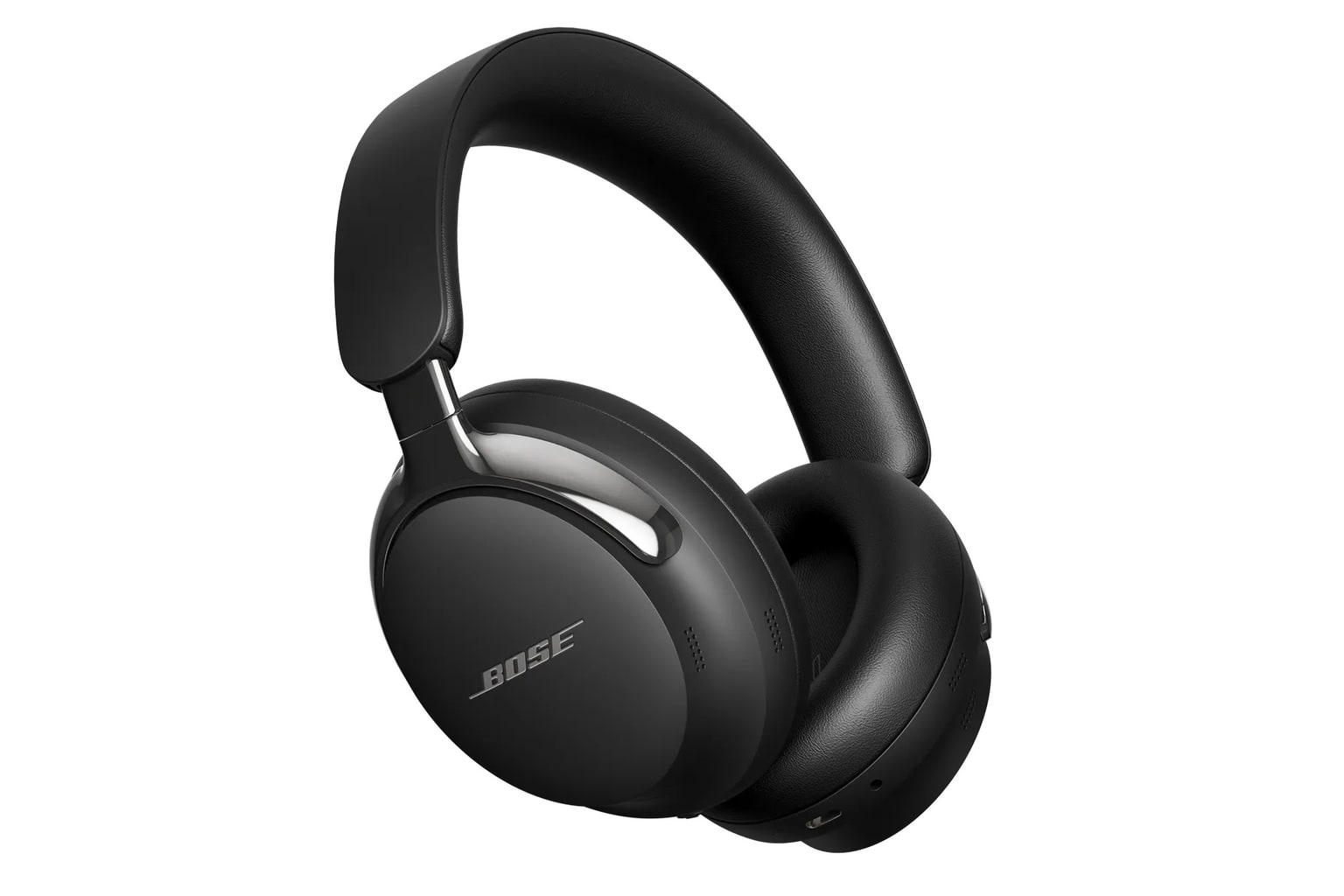
Buyers who like the fitted feel and will learn the button-and-strip layout.
Bose QuietComfort Ultra Headphones (2nd Gen) →
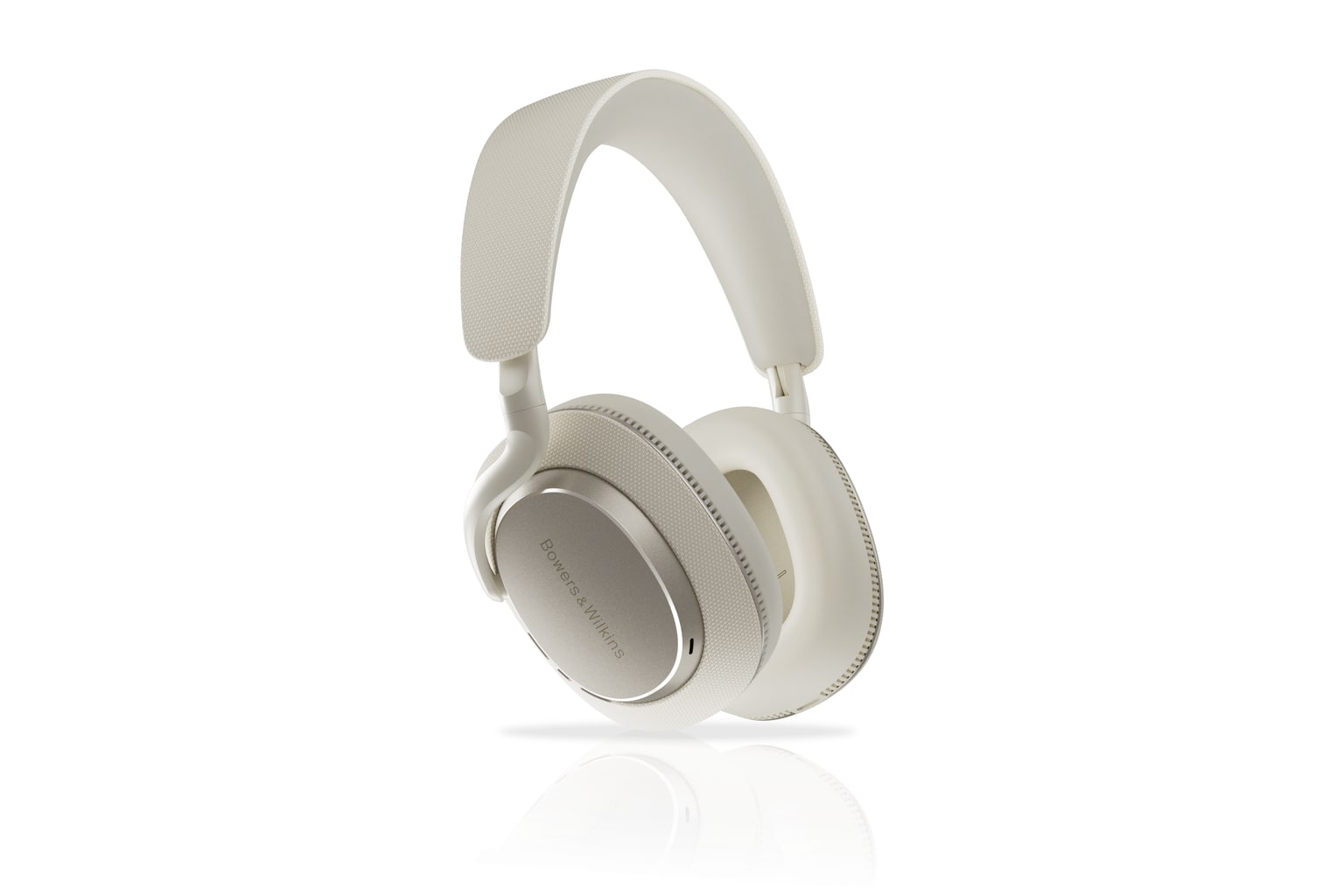
Buyers who want identifiable physical playback controls and have checked the fit.
Bowers & Wilkins Px7 S3 →
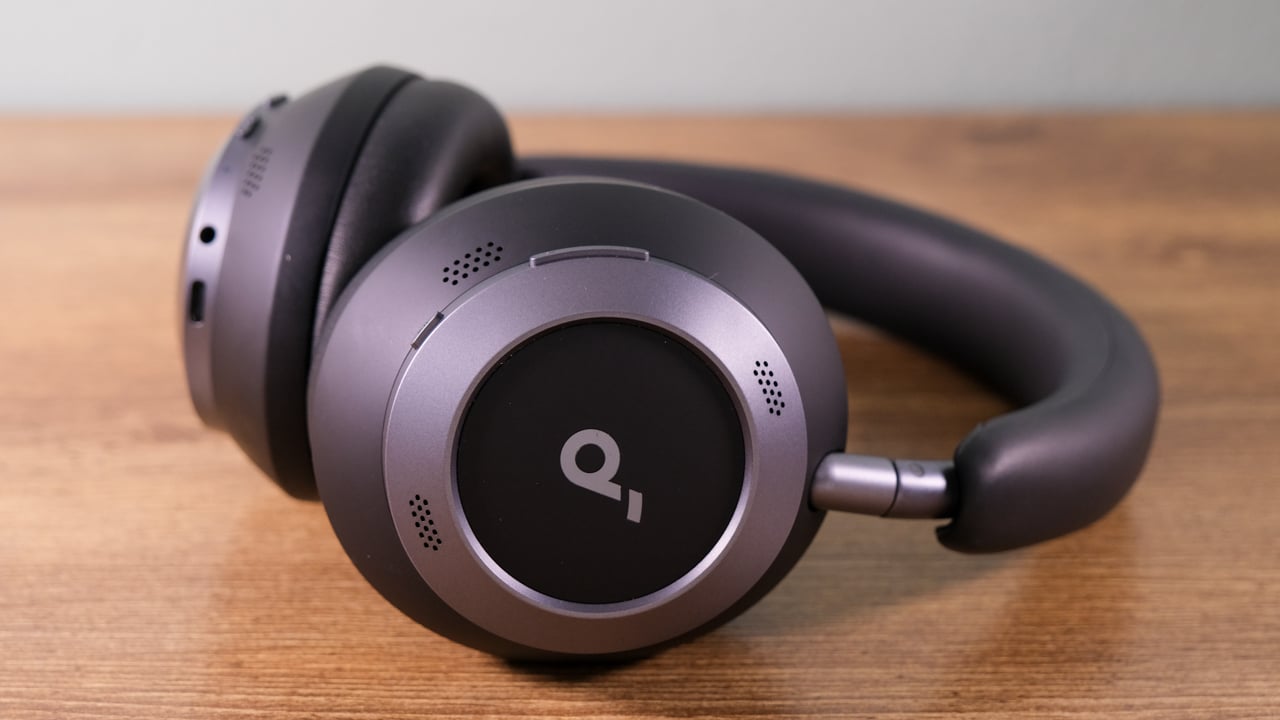
Buyers who value folding size and are content with the included soft-bag arrangement.
Soundcore Space One Pro →
Grades at a glance
| Product | Overall | Carry and fit | Ordinary controls | Connection and storage |
|---|---|---|---|---|
| Sony WH-1000XM6 | 8.2 | 9.0 | 8.5 | 7.0 |
| Bose QuietComfort Ultra Headphones (2nd Gen) | 7.6 | 9.0 | 5.5 | 8.5 |
| Sennheiser Momentum 4 Wireless | 7.9 | 8.5 | 6.5 | 9.0 |
| Bowers & Wilkins Px7 S3 | 7.4 | 6.5 | 9.0 | 7.0 |
| Soundcore Space One Pro | 7.4 | 9.0 | 7.5 | 5.5 |
| Sonos Ace | 8.0 | 9.0 | 8.5 | 6.5 |
Compare your shortlist
Does it fit your life?
Choose by the part of the day that causes the most fuss
Sony WH-1000XM6 is our most balanced everyday-use pick among these six headphones, with a folding design, a wider headband and a useful division between essential buttons and a touch plate. Sonos Ace is the closest alternative for someone who prefers tactile buttons and a slider. Momentum 4 Wireless stands out for the way its case organizes small accessories. The best choice changes when you make one of those tasks more important than the others.
This guide compares carry and physical fit, ordinary controls, and connection or storage chores. The scores apply to those tasks. Start with the frustration you want to remove: an awkward case in your bag, a touch surface you keep brushing, a button you cannot locate, or a device-selection sequence with too many steps. That question narrows the field more effectively than treating the highest overall grade as a universal answer.
Fit remains personal. Favorable observations from reviewers are reasons to try a pair, while a conflicting clamp report is a reason to pay attention during that fitting. A good match for one reviewer's head, ears or glasses may be a poor match for yours. Use the comparison to decide what to try and what to check once it is on your head.
The six choices at a glance
| Headphones | Everyday-use score | Carry and fit | Ordinary controls | Connection and storage | Main decision |
|---|---|---|---|---|---|
| Sony WH-1000XM6 | 8.2/10 | 9/10 | 8.5/10 | 7/10 | Folding design; analog listening cable route |
| Sonos Ace | 8/10 | 9/10 | 8.5/10 | 6.5/10 | Tactile slider; check your device handoff |
| Sennheiser Momentum 4 Wireless | 7.9/10 | 8.5/10 | 6.5/10 | 9/10 | Organized case; try the broad touch panel |
| Bose QuietComfort Ultra Headphones (2nd Gen) | 7.6/10 | 9/10 | 5.5/10 | 8.5/10 | Plush fit; mixed buttons and touch input |
| Bowers & Wilkins Px7 S3 | 7.4/10 | 6.5/10 | 9/10 | 7/10 | Textured playback button; try the clamp |
| Soundcore Space One Pro | 7.4/10 | 9/10 | 7.5/10 | 5.5/10 | Compact folding; included soft bag |
The grades are editorial judgments about these everyday tasks. A high carry-and-fit grade is not a promise about your particular head shape. Likewise, a connection grade can reflect a specific reported workflow or cable limitation. Read the deciding detail alongside the number, then give the most weight to the task that occurs most often in your own day. Two models can also reach similar overall grades through different compromises. Px7 S3 and Space One Pro both score 7.4 here, but the former's attraction is its distinctive playback button, while the latter's is the compact fold. A shopper trying to stop brushing a touch panel should start with the controls; a shopper whose case will not fit beside everyday belongings should start with the packed shape.
Sony WH-1000XM6: the balanced packing choice
PCMag describes folding earcups that fit in a slimmer case and a wider headband that distributes weight more evenly. Those physical details make Sony a sensible starting point for a buyer who carries headphones often. SoundGuys describes a power/pairing button and a separate mode button on the left, with a touch plate on the right for playback and calls. You get buttons for some tasks and gestures for others.
The key limitation is the wired listening route. PCMag says listening over a cable uses the 3.5mm jack, rather than USB-C. If your plan depends on a single USB-C lead at a laptop, that changes the purchase. Check the actual ports and cable you intend to use before letting the folding case settle your choice.
Choose Sony when the folding design matters, its wider band feels right, and you are comfortable learning the touch plate. Compare it with a physical-control option if you want playback inputs you can identify by feel. A historical CNET account also found plenty to navigate in the app, so inspect the current settings you care about instead of assuming the entire setup is simple.
Sonos Ace: a tactile alternative worth trying with glasses
SoundGuys praises Ace's buttons and slider and reports a favorable fit around the reviewer's glasses. That account describes intermittent use over more than a year and notes that pad wear helped the fit. The use period and response belong to that reviewer; they are useful context when trying a new pair, not a promise that yours will feel identical.
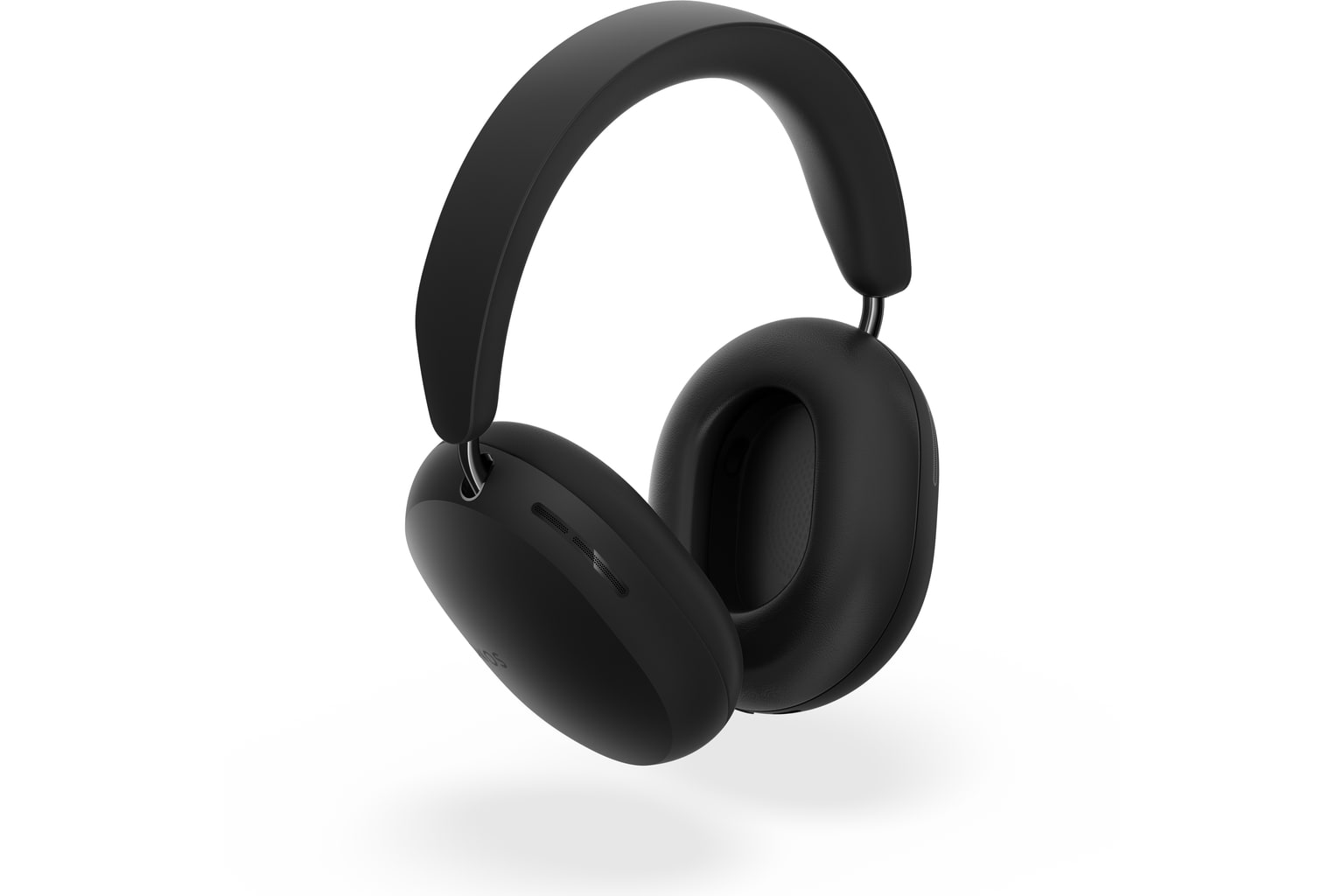
PCMag describes the Content Key pressing inward for playback and sliding for volume. SoundGuys' small reservation is that the controls could sit lower on the earcup. Try the reach with the headphones on, then compare it with the Px7 S3's textured button. Both offer tactile input, with a different movement for your hand to learn.
The device-selection caveat is historical and specific: PCMag connected a phone and computer together but found app switching between playback devices awkward in that review. If you switch often, demonstrate your own current sequence. Choose Ace when the fit and slider appeal and that handoff works as you expect.
Momentum 4 Wireless: for keeping accessories in place
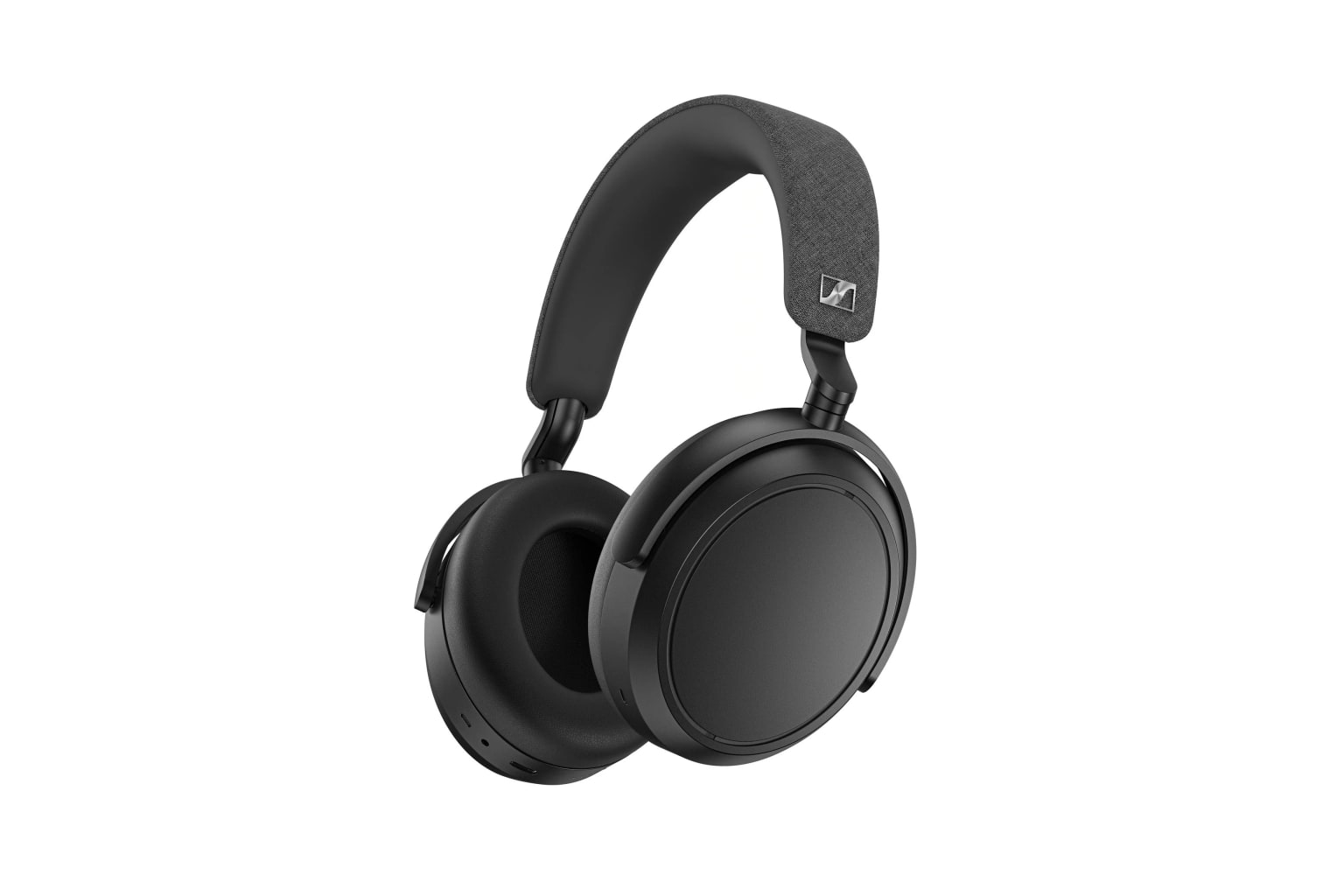
PCMag describes swiveling cups, a favorable fit and a zip-up case with elastic bands for individual accessories plus a small mesh pocket. If you carry several small pieces, that organization is a persuasive reason to compare Momentum 4. Consider whether you would use the spaces or usually take just one cable; the case layout matters most when it addresses your packing habits.
Its broad right-earcup touch panel is the main control compromise. PCMag finds it effective but easy to trigger while handling the headphones. A Reddit comment dated March 11, 2025, with a stated July 2024 purchase, reports no difficulty with the touchpad. Those responses can coexist because hands and habits differ. Try deliberate gestures, then take the headphones off and reposition them.
Choose Momentum 4 when its fit works for you, you like gestures, and the case arrangement makes your packing clearer. Compare the closed case with a folding model if your bag space is tight. Swiveling flat for a case and folding into a compact bundle are different physical arrangements.
Bose second generation: plush fit, more to learn at the controls
PCMag's direct second-generation review praises the plush headband padding and fit. Other accounts add reasons to try the size carefully: Mike O'Brien describes a spacious fit on his larger head while raising a small-head clamp concern, and another Bose review passage notes limited room for the reviewer's larger ears. Keep those as fitting prompts tied to the people and review contexts involved.
The input layout is the bigger compromise. SoundGuys criticizes the combination of touch and buttons with several jobs; O'Brien describes small controls that work but require practice to locate. A capacitive volume strip feels different from a physical rocker. Try changing volume, pausing and finding pairing with the pair on your head before deciding whether the arrangement suits you.
O'Brien also describes cycling devices with the Bluetooth button, a potentially useful selection method. Treat it as his reported workflow and check it with your own devices. Choose the second-generation Bose when the fit is persuasive enough for you to accept the input learning, and verify the generation on the product listing.
Px7 S3: physical playback controls, with a clamp check
Mark Ellis describes a textured play/pause button and physical controls, making Px7 S3 the strongest control-led choice in this comparison. The texture provides a specific feature to try by feel. Find playback while wearing the pair and see whether you can distinguish the neighboring inputs without looking at the cup.
Fit is less settled. Ellis is enthusiastic about comfort, while a July 28, 2025 Reddit comparison finds the Px7 S3 too tight for that writer's head and favors Ace with glasses. Neither account erases the other. Try the clamp yourself, with your usual glasses if applicable, and take an uncomfortable fitting seriously even if you like the controls.
The case has an internal compartment with a magnetic flap, but Ellis still describes it as fairly large. Choose Px7 S3 when its buttons feel clear, its clamp suits you and the case fits your bag. If the fit disappoints, Ace is the most direct alternative here for tactile input.
Space One Pro: compact folding with simpler storage
PCMag describes folding cups that swivel flat and make the Space One Pro compact to pack. It also finds the small physical controls effective. Those observations make it worth trying if the combination of folded size and buttons is your priority. Locate the controls with the pair on your head so their small size is part of the decision.
The reviewed package includes cables and a soft bag rather than a hardshell case. That is why its strong carry score sits alongside a lower storage score. The folded shape and the storage arrangement answer different questions: how much room the headphones take, and how you keep them with the rest of your belongings.
A Reddit account with about one week of stated use praises the cushioning and light feel. That supports an initial impression only. Choose Space One Pro when you have checked the fit and controls and the actual package suits your bag. If you want dedicated accessory spaces, compare Momentum 4; if you want another folding option, compare Sony.
Make the fitting specific
Wear your usual glasses and adjust each candidate before comparing it. Notice contact at the top of the head, the cup around each ear and the arms of the frames. Then look down as you would at a laptop and return upright. You are trying to identify the point that feels wrong or right, rather than deciding from padding thickness alone.
Next, operate the controls in the wearing position. Find pause and volume without looking, then remove and put on the pair. For touch panels, notice where you grip the cup when you are only trying to move it. For physical controls, notice spacing, size and reach. This makes the Sony, Momentum 4, Bose, Px7 S3, Soundcore and Ace layouts directly comparable on the task you actually perform.
Finally, pack the headphones once. Put the cable where you would keep it and close the case or bag. Compare the complete shape with your own available space. This distinguishes a useful folding mechanism from a useful accessory compartment, and prevents a good on-head fitting from hiding an awkward packing routine.
Choose the route between your devices
Write down the devices you use and the route you expect between them. For Sony, the reported wired listening route is the analog jack rather than USB-C. For Bose, the attraction is a reported button-based device selection method. For Ace, a historical review raises a question about selecting playback between a phone and computer. These details deserve different checks; the presence of a socket or a connection label does not answer every one.
Momentum 4 offers another cable option to investigate alongside Sony's analogue route. What Hi-Fi?'s review described a supplied 2.5mm-to-3.5mm analogue audio lead and listening through a separate USB-C-to-USB-C lead that was not supplied. If USB-C listening is part of your plan, compare that historical description with your own device's ports and cable requirements, and check the package contents before buying.
For a wired setup, identify the actual cable and ports. For a wireless handoff, start on one device and move to the other using the actions you would repeat during the day. Check the current pair and software rather than expecting an older review's sequence to cover every setup. You want to leave the comparison knowing the steps, not just knowing that a feature is listed. Keep device selection and control style on separate lines in your comparison. The Ace's tactile Content Key does not answer the historical app-handoff question, and Bose's reported button-based selection does not tell you whether its volume strip feels right. Resolve each task on its own, then choose the combination that fits your routine.
Choose the model whose compromise you can comfortably repeat. Sony is the balanced starting point, Ace and Px7 S3 give tactile alternatives, Momentum 4 offers organized case storage, Bose has a fit-first case with mixed controls, and Soundcore emphasizes compact folding with a soft-bag tradeoff. The individual reviews above explain the observation behind each recommendation.
Sony WH-1000XM6
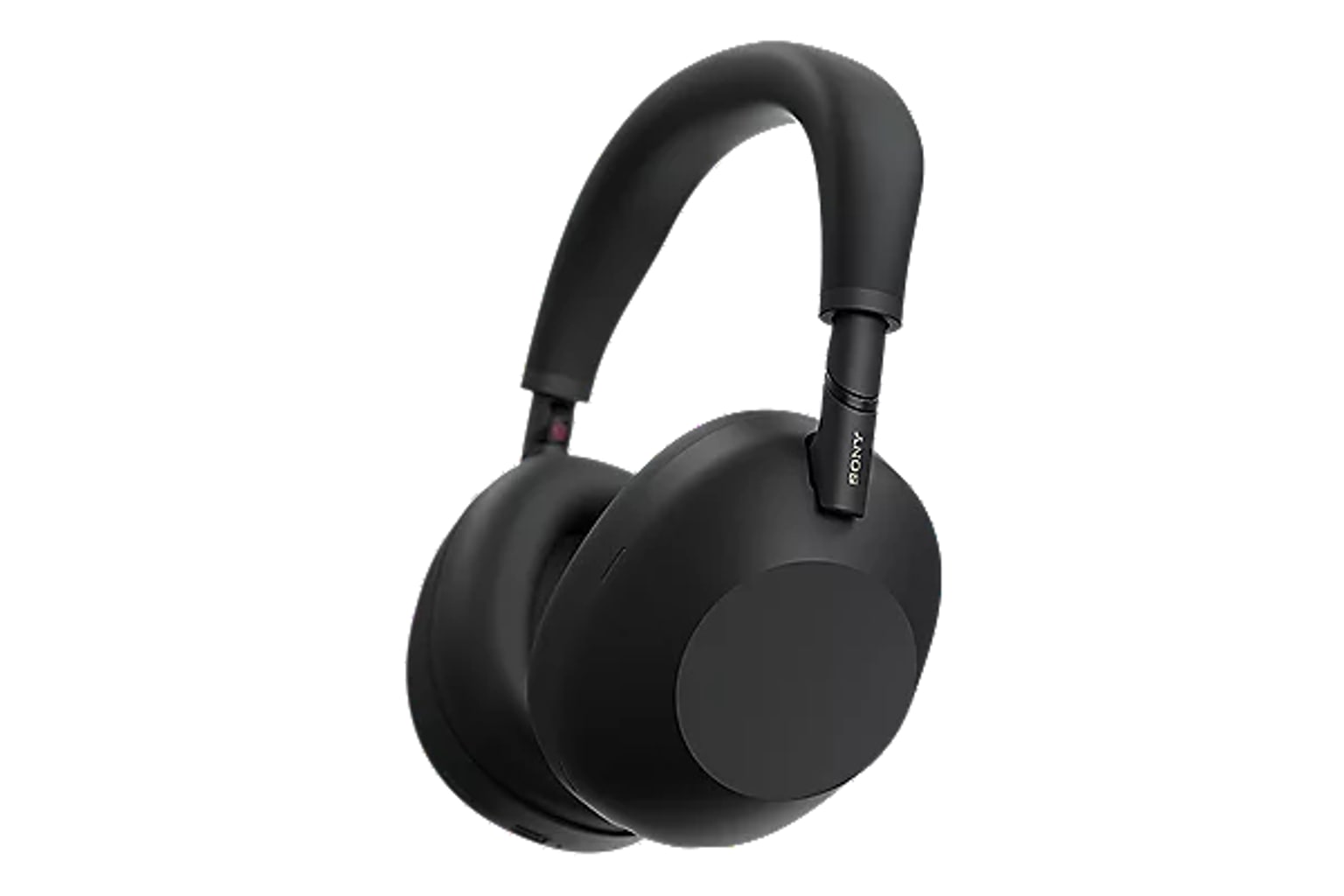
Sony
Buyers who want folding headphones and accept a 3.5mm listening cable route.
Folding cups and a wider headband make Sony an appealing everyday carry choice, with buttons plus a touch plate for controls.
The takeaway
Folding cups and a wider headband make Sony an appealing everyday carry choice, with buttons plus a touch plate for controls.
Reasons to choose it
- Folding earcups and wider headband described by PCMag.
- Buttons provide essential inputs alongside a right-side touch plate.
Tradeoffs to know
- Wired listening uses the analog jack rather than USB-C.
- Playback gestures are a separate control style to learn.
Think twice if: Your wired setup depends on USB-C listening, or you want a physical playback key.
Published specifications
- Selection focus
- Carry and fit; ordinary controls; connection and storage
Further reading
Ratings
Editorial score 8.2
Carry and fit9
Folding cups reduce the case burden; wider headband distributes weight.
Ordinary controls8.5
Separate buttons and right touch plate give direct access, with a gesture learning step.
Connection and storage7
Analog cable route is available but USB-C is not a listening cable route.
Bose QuietComfort Ultra Headphones (2nd Gen)
Bose
Buyers who like the fitted feel and will learn the button-and-strip layout.
Plush headband padding is the strongest attraction, balanced against small controls that mix buttons and touch input.
The takeaway
Plush headband padding is the strongest attraction, balanced against small controls that mix buttons and touch input.
Reasons to choose it
- Positive direct second-generation fit observation from PCMag.
- A reviewer describes selecting devices from the Bluetooth button.
Tradeoffs to know
- Mixed touch and multifunction buttons require practice.
- Fit reports raise different head-size and ear-room questions.
Think twice if: You want clearly distinct physical actions for every routine control.
Published specifications
- Selection focus
- Carry and fit; ordinary controls; connection and storage
Further reading
Ratings
Editorial score 7.6
Carry and fit9
Plush fit has positive direct reviewer support; individual ear fit still varies.
Ordinary controls5.5
Overloaded buttons and mixed touch inputs add selection friction.
Connection and storage8.5
Reported device cycling from the Bluetooth button reduces the need to reach for another device.
Sennheiser Momentum 4 Wireless
Sennheiser
Buyers who use dedicated accessory spaces and like gesture input.
An organized case and swiveling cups are attractive; the broad touch panel calls for a handling check.
The takeaway
An organized case and swiveling cups are attractive; the broad touch panel calls for a handling check.
Reasons to choose it
- Case has individual accessory bands and a mesh pocket.
- PCMag gives a favorable fit observation.
Tradeoffs to know
- PCMag notes accidental touch input while handling.
- Touchpad experiences differ between the reviewer and a dated user account.
Think twice if: You dislike broad touch surfaces when repositioning headphones.
Published specifications
- Selection focus
- Carry and fit; ordinary controls; connection and storage
Further reading
Ratings
Editorial score 7.9
Carry and fit8.5
Swiveling cups and direct comfort observation support accommodating fit.
Ordinary controls6.5
Large touch surface works but handling can trigger unwanted inputs.
Connection and storage9
Dedicated accessory bands and mesh pocket reduce case organization chores.
Bowers & Wilkins Px7 S3
Bowers & Wilkins
Buyers who want identifiable physical playback controls and have checked the fit.
Physical controls and a textured playback button stand out, with mixed clamp reports and a fairly large case.
The takeaway
Physical controls and a textured playback button stand out, with mixed clamp reports and a fairly large case.
Reasons to choose it
- Textured play/pause button and physical controls.
- Internal case compartment has a magnetic flap.
Tradeoffs to know
- A direct comparison reports a tight fit; another reviewer is enthusiastic.
- The case remains fairly large in the reviewer’s account.
Think twice if: You find the clamp too firm or need a smaller packed shape.
Published specifications
- Selection focus
- Carry and fit; ordinary controls; connection and storage
Further reading
Ratings
Editorial score 7.4
Carry and fit6.5
Direct tight-clamp experience tempers another reviewer’s enthusiastic comfort judgment.
Ordinary controls9
Physical buttons and tactile play/pause distinction help selection by feel.
Connection and storage7
Magnetic accessory flap helps organization, but the case remains large.
Soundcore Space One Pro
Soundcore
Buyers who value folding size and are content with the included soft-bag arrangement.
Compact folding is the main attraction, while small physical buttons and a soft carry bag define the compromise.
The takeaway
Compact folding is the main attraction, while small physical buttons and a soft carry bag define the compromise.
Reasons to choose it
- Earcups fold and swivel flat for packing.
- PCMag finds the small physical controls effective.
Tradeoffs to know
- Small controls merit a personal reach check.
- Reviewed package includes a soft bag rather than a hardshell case.
Think twice if: You want a hardshell case with dedicated accessory storage in the package.
Published specifications
- Selection focus
- Carry and fit; ordinary controls; connection and storage
Further reading
Ratings
Editorial score 7.4
Ordinary controls7.5
Physical buttons work, with small targets as the practical compromise.
Connection and storage5.5
Included cable options are useful; a soft bag offers less structured storage than a hard case.
Sonos Ace
Sonos
Buyers who prefer a physical slider and find the cups comfortable with their glasses.
Tactile buttons and a slider pair with favorable glasses-fit observations; check the current device handoff you need.
The takeaway
Tactile buttons and a slider pair with favorable glasses-fit observations; check the current device handoff you need.
Reasons to choose it
- Buttons and slider receive favorable reviewer assessment.
- SoundGuys describes comfortable fit around glasses.
Tradeoffs to know
- Reviewer wishes the controls sat lower.
- A historical PCMag account describes awkward playback-device selection.
Think twice if: You switch devices often and have not checked that routine on your own setup.
Published specifications
- Selection focus
- Carry and fit; ordinary controls; connection and storage
Further reading
Ratings
Editorial score 8
Carry and fit9
Reviewer reports accommodating glasses fit, with individual fit variability.
Ordinary controls8.5
Tactile buttons and slider are straightforward, with reach position a small drawback.
Connection and storage6.5
Historical device-switching report adds a workflow caveat; it is not a current software guarantee.
Sources & further reading
pcmag.com review
youtube.com review
youtube.com review
User reports at Reddit
youtube.com review
pcmag.com review
soundguys.com review
pcmag.com review
pcmag.com review
soundguys.com review
pcmag.com review
whathifi.com review
Keep reading
Something changed? Help us keep this useful.
Send a correction →