
The recommendation
Physical controls and a textured playback button stand out, with mixed clamp reports and a fairly large case.
Grades at a glance
| Product | Overall | Carry and fit | Ordinary controls | Connection and storage |
|---|---|---|---|---|
| Bowers & Wilkins Px7 S3 | 7.4 | 6.5 | 9.0 | 7.0 |
Does it fit your life?
Choose it for physical controls, after checking the fit
The Bowers & Wilkins Px7 S3 is a strong candidate for buyers who want physical playback controls they can distinguish by feel. Mark Ellis describes a textured play/pause button, physical controls and a separate power button on the left cup. Its fit calls for a personal check: his enthusiastic comfort report sits alongside a Reddit comparison whose writer found the Px7 S3 too tight for their head.
Our everyday-use score is 7.4/10, with 6.5/10 for carry and fit, 9/10 for ordinary controls, and 7/10 for connection or storage chores. The lower fit grade reflects that tension in the accounts, while the higher controls grade reflects the tangible layout. Someone who likes a firmer fit can reasonably prefer it to a higher-scoring model, provided that preference comes from trying it on.
This is a purchase to make around two demonstrations: wearing the headphones with your usual glasses or hairstyle, and locating the playback controls without looking. If both go well, the remaining question is whether the fairly large case fits your daily bag.
The comfort reports point in different directions
In a Reddit comparison dated July 28, 2025, the writer says the Px7 S3 felt too tight for their head, while the Sonos Ace felt more comfortable and pressed less against their glasses. That is a direct side-by-side impression from that writer. It is useful because it identifies clamp as a possible deciding factor, not because one person's fit establishes a universal ranking.
Mark Ellis reaches a much more positive conclusion about comfort in his Px7 S3 video. Both reports belong in the decision. Ignoring the tight-fit account would make the recommendation too broad; ignoring the favorable reviewer would make the warning too broad. The buyer's task is to discover which description is closer to their own experience.
When trying a pair, adjust the band before deciding how the clamp feels. Notice pressure around the sides of your head and where your glasses sit. Move your jaw and look down in the way you would at a desk. If the fit already feels too firm, do not let a favorable description of materials or appearance overrule that reaction. If it feels comfortable and stays where you want it, someone else's clamp complaint need not rule it out.
The same Reddit comparison says neither the Px7 S3 nor Ace folds into a smaller bundle. That matters if you usually compress headphones into the last open space in a bag. Treat the closed case as part of the purchase and compare it with the folding Sony or Soundcore options before deciding that the on-head feel is the only physical difference that matters.
A useful accessory compartment inside a fairly large case
Mark Ellis describes the Px7 S3 case as still fairly large despite a reported reduction in size. He also calls attention to the magnetic flap over the internal compartment. The combination explains the middle storage grade: the compartment is useful for organizing small items, but it does not erase the amount of bag space occupied by the case.
Open the case and see how you would put everything away. If you carry a cable, decide whether you would keep it under the flap or elsewhere. Then close the case and compare its shape with the compartment in your bag. An attractive interior feature earns its place when it makes your packing routine clearer, rather than merely being pleasant to open in a demonstration. Try retrieving the cable and putting it back under the magnetic flap before closing the case. That lets you judge the compartment as part of leaving a desk, rather than as a feature viewed in isolation. If the closed case then crowds out something you routinely carry, the internal organization has not solved your main packing problem.
For someone who carries the headphones every day, the case can be the larger compromise than the headphones themselves. For someone who mostly uses them at a desk, a spacious case may be a small concern. Think about how frequently you would actually put the case inside another bag. That frequency helps decide whether to favor the Px7 S3's controls or a more compact folding arrangement.
Momentum 4 Wireless is another candidate for accessory organization, with PCMag describing individual elastic bands and a mesh pocket. Soundcore Space One Pro goes in a different direction with folding cups and an included soft bag. Compare these storage methods as part of your own packing task; a compartment, a pocket and a soft bag are different conveniences.
Buy it when the controls and clamp suit you
Choose the Px7 S3 when you prefer physical buttons, can identify its playback key comfortably, and find the clamp acceptable on your own head. Its case also needs to fit the bag you use. Those are specific reasons to select it despite a lower overall grade than some alternatives. The grade reflects the mixed fit accounts and the case burden alongside the strong control layout.
If the fit is too firm, try Sonos Ace rather than assuming you must accept it to get tactile controls. If the case is the obstacle, compare the folding Sony WH-1000XM6 and Soundcore Space One Pro. If case organization matters most, look closely at Momentum 4. Each comparison isolates a practical compromise that can matter more than a small numerical difference.
Use the family guide to compare those choices, then return to the fit and button demonstration. For the right wearer, the Px7 S3's appeal is straightforward: controls you can locate by feel, in a pair that you have confirmed you want to wear.
Bowers & Wilkins Px7 S3
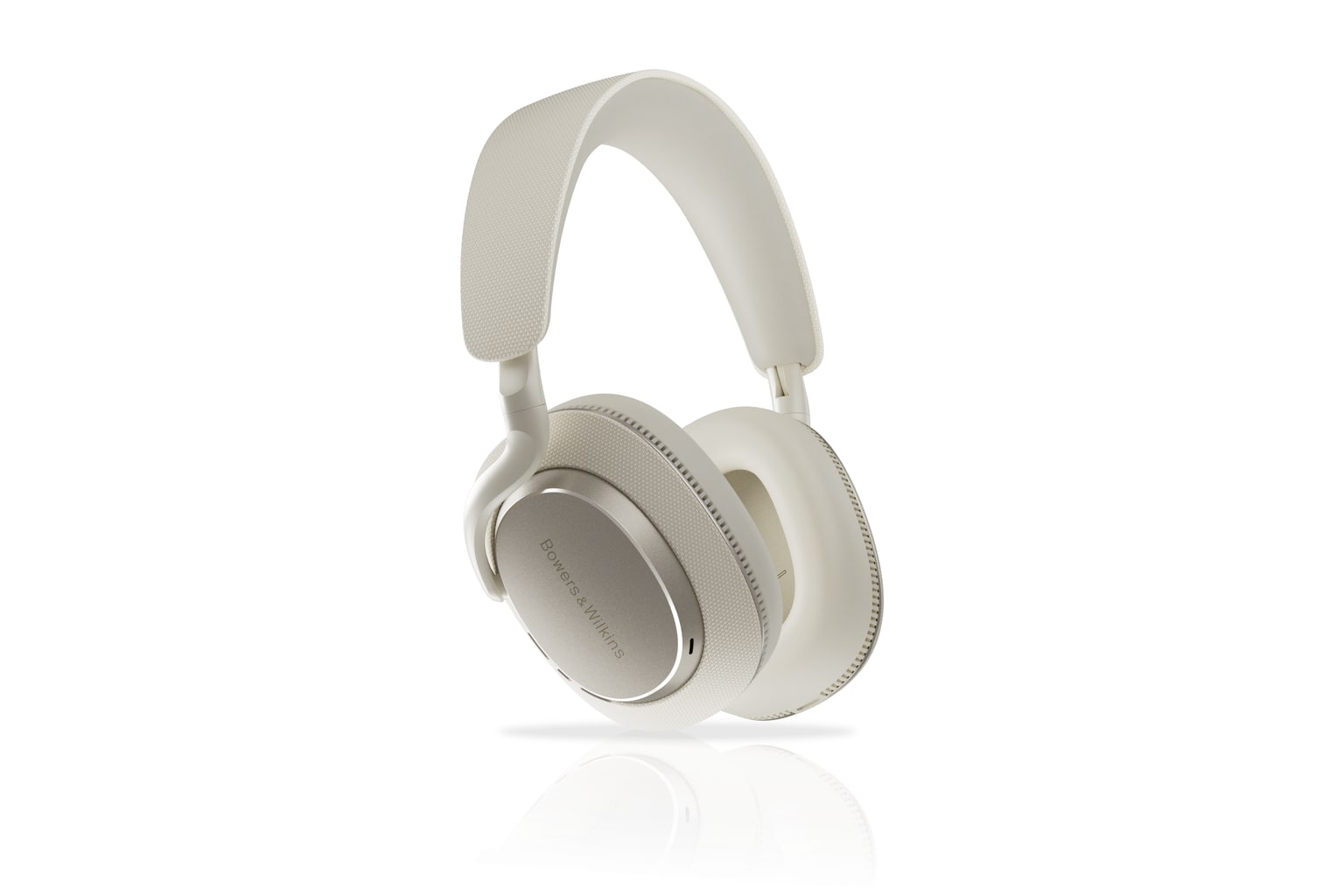
Bowers & Wilkins
Buyers who want identifiable physical playback controls and have checked the fit.
Physical controls and a textured playback button stand out, with mixed clamp reports and a fairly large case.
Reasons to choose it
- Textured play/pause button and physical controls.
- Internal case compartment has a magnetic flap.
Tradeoffs to know
- A direct comparison reports a tight fit; another reviewer is enthusiastic.
- The case remains fairly large in the reviewer’s account.
Think twice if: You find the clamp too firm or need a smaller packed shape.
Published specifications
- Selection focus
- Carry and fit; ordinary controls; connection and storage
Further reading
Ratings
Editorial score 7.4
Carry and fit6.5
Direct tight-clamp experience tempers another reviewer’s enthusiastic comfort judgment.
Ordinary controls9
Physical buttons and tactile play/pause distinction help selection by feel.
Connection and storage7
Magnetic accessory flap helps organization, but the case remains large.
Sources & further reading
User reports at Reddit
youtube.com review
Keep reading
Something changed? Help us keep this useful.
Send a correction →