
The recommendation
BabyBuddha 2.0 is the clearest compact-motor choice here when you accept a separate collection setup. Check the exact kit and learn the control layout before treating someone else’s finished arrangement as your own.
Grades at a glance
| Product | Overall | Controls and feedback | Parts and daily handling | Carrying and physical setup |
|---|---|---|---|---|
| BabyBuddha Breast Pump 2.0 | 8.0 | 8.0 | 7.0 | 9.0 |
Does it fit your life?
Why the small motor matters
BabyBuddha 2.0 is worth a look when the motor is the bulky part of your current setup. A reviewer using this exact model described slipping it into clothing pockets while keeping a separate flange and backflow arrangement. That is the attraction: less motor to find room for, with the collection pieces still outside it. It suits a different priority from an all-in-one wearable, where the motor and collection unit sit together inside clothing.
The reviewer assembled her preferred flanges and backflow arrangement rather than presenting every item as the supplied kit. She also described an added swivel accessory. Those details are important because the neat setup shown in a review can include decisions and purchases made before the camera starts. The useful takeaway is the small motor and the possibility of arranging separate parts deliberately, not a promise that the same accessories arrive with your order.
The review has an affiliate context, including a product code and a general disclosure about possible gifted pumps. Its useful observations concern the named 2.0 and the setup she chose. Her history with earlier BabyBuddha generations is kept separate. Long experience with a brand is not automatically long experience with this particular model.
Learning the trackball
A tester discussing the 2.0 liked that its trackball required more deliberate movement. That is a small interface detail with a practical implication: it changes how an adjustment feels under a finger, rather than simply adding another setting to a list. The tester also described the separation of the long-pull mode. The control benefit is being able to distinguish choices, not a claim that the pattern will be comfortable for everyone.
A brand-affiliated settings demonstration walks through the different modes and icons. That helps explain the learning task, but it is a demonstration from someone connected to the brand rather than an independent ownership report. It shows that a compact control area still requires some attention to how the modes are represented and changed. Buyers who prefer a wide panel of separate buttons may find the interaction less immediately familiar than a Spectra-style layout.
The controls grade reflects a compact interface with useful distinctions between modes and some learning involved. Before choosing it, watch how the trackball changes an adjustment and how the display identifies the selected mode. If that interaction looks natural to you, a small panel may be a fair exchange for less motor bulk. If you regularly look for separate labeled buttons, the wider Spectra layout is the more relevant comparison. This is one of the few decisions a close view of the controls can help settle before purchase.
Collection parts and replacements
The official BabyBuddha parts catalog lists categories such as tubing, valves, diaphragms, flanges, inserts and bottle kits for the relevant product line. That provides a concrete starting point for understanding replacement needs. It supports the existence of those categories, rather than guaranteeing a particular item is in stock or proving that every accessory in a review is supplied with 2.0.
The BabyBuddha 2.0 reviewer's own arrangement is evidence of what she used. It is not blanket confirmation that all third-party parts are interchangeable. If you already own collection pieces, the useful next check is the exact documented pairing, including the connectors and backflow arrangement, rather than the broad idea that a portable motor can be adapted. The named pump, the chosen collection parts and the accessory kit are separate identities to keep straight.
Nor does the conventional arrangement establish a cleaning advantage. Several pieces still have to be handled, dismantled and reassembled according to their instructions. A smaller motor can be a large improvement in one part of your day without reducing the work at the sink. That distinction is central to the parts and daily handling grade of 7.0: a workable replacement and assembly path, with ongoing chores.
Pocketable motor or all-in-one wearable?
The 2.0's 9.0 carrying and physical setup grade is based on its compact motor arrangement. The reviewer described a small, light motor that could go into pockets, while the separate flange setup remained. That combination can be attractive to someone who dislikes transporting a large motor but wants to retain a familiar collection style. The grade does not include battery duration or an expectation of uninterrupted movement.
Compare that with the Spectra S1's reviewer, who valued handling details but found the motor large. The difference is not merely whether a pump can be moved. It is what you have to find room for while moving it. BabyBuddha's compact motor offers a clearer physical carrying advantage in those accounts, even though the tubing and collection assemblies still need a plan.
Elvie Stride takes another approach by putting collection cups inside a bra and clipping a small hub elsewhere. The updated-display Momcozy M5 places the motor with the wearable assembly. Those designs shift where the bulk and controls sit. If your goal is to remove exposed bottles rather than reduce motor size, one of those arrangements may fit the problem more directly than BabyBuddha 2.0.
Reading the three grades
The 2.0 receives 8.0 for controls and feedback, 7.0 for parts and daily handling, and 9.0 for carrying and physical setup. The overall editorial grade is 8.0. The pattern is consistent with the recommendation: compact carrying is the strongest advantage, while a deliberate control style and a conventional separate parts routine are the compromises to understand.
For a shortlist, start with the strongest score and ask whether it addresses your actual frustration. A pocketable motor matters when a larger body takes too much space beside other belongings. It matters less if your frustration is dismantling collection pieces after every session. Likewise, a good controls grade leaves room for personal preference: the deliberate trackball that appealed to the tester may be less familiar to you than a panel of separate buttons. The separate categories help keep those choices visible.
The model number matters throughout that judgment. This is BabyBuddha 2.0, not 3.0. A current catalog may group some replacement parts across generations without establishing that every feature, accessory or motor behavior is shared. Treat a changed model number as a reason to check the specific product, rather than carrying the 2.0 recommendation forward automatically.
Checking the exact kit
Start with the arrangement you actually intend to use. If you want conventional bottles, identify the components needed for that setup. If you want collection cups, identify the exact compatible system and whether it is included or separate. The 2.0 evidence here does not establish an included Express Cups Plus package. A reviewer using a polished personal setup should not be mistaken for an unboxing of your order.
Then look at how you expect to carry the motor. A clothing pocket was practical for the reviewer, but pocket shape and clothing vary. A pocketable motor can reduce the amount sitting on a table while still requiring attention to tubing and the collection assemblies. Consider those pieces together when you compare the 2.0 with an all-in-one wearable or a larger tabletop pump.
Finally, read the control workflow before committing to the smaller interface. The tester's positive view of a deliberate trackball is a useful signal for people who dislike accidental changes. Someone who wants every adjustment represented by its own large button may prefer another layout. BabyBuddha 2.0 earns its recommendation by reducing motor bulk, with the rest of the routine made explicit.
When motor size is the main problem
A person who already understands a conventional collection assembly may find the 2.0 especially interesting because the motor is the most obvious change. The reviewer used her own preferred flanges and backflow components, so her account shows a small motor within a deliberately assembled routine. It does not establish that your existing components will fit, but it does explain why someone might value changing the motor arrangement while keeping separate collection pieces.
The first decision is therefore whether the motor or the collection units are the problem. If a large body occupies too much room in a bag, the pocketable form directly addresses that. If exposed collection assemblies are what interfere with your activities, the small motor alone may leave the harder part unchanged. A cup design may then be the more relevant comparison.
The second decision is the control style. A compact trackball interface saves panel space, but it asks you to understand modes and deliberate movements. The tester saw that deliberate action as an advantage. Someone who strongly prefers a separate button for every adjustment may see a different trade. Neither reaction needs to be justified by a claim about pumping power.
The third decision is how much assembly planning you want to own. The reviewer arrived at a working setup through specific component choices and an added accessory. That is a useful example for a person comfortable comparing exact parts. It is less reassuring for a buyer who wants one clearly documented package to contain the entire desired arrangement. Make that preference explicit before treating compactness as the decisive feature.
What the reviewer added
The BabyBuddha 2.0 reviewer also described earlier generations in the same article. Her long history explains her perspective, but the time spent with an earlier motor is not time spent with 2.0. The relevant observations here are the passages explicitly about the newer 2.0, including how she assembled it and carried it. That keeps a vivid personal story from becoming an unsupported durability claim about this model.
Likewise, an accessory she added is a record of her choice. It is not an inclusion claim and not a recommendation that another person needs that accessory. The official catalog supports replacement categories, but a catalog grouping is not a universal compatibility statement. These distinctions are useful even if you never intend to modify the setup, because they help you recognize what a seller must actually supply for your intended arrangement.
The brand-affiliated demonstration is useful in another way: it explains control operations directly. It should be treated as instruction and product presentation, while the tester and independent reviewer supply their own observed reactions. None of those sources alone answers every question about long-term ownership.
The practical question is whether the package you are considering gets you to the arrangement you want. Compare its named collection components with those shown in the review, then check any proposed additional parts by their exact model and connection. That makes the review useful even when you prefer an ordinary supplied setup: you can distinguish the small motor you are buying from the reviewer's optional choices around it. BabyBuddha 2.0's strongest advantage is reducing motor bulk while leaving you responsible for a separate collection routine.
BabyBuddha Breast Pump 2.0
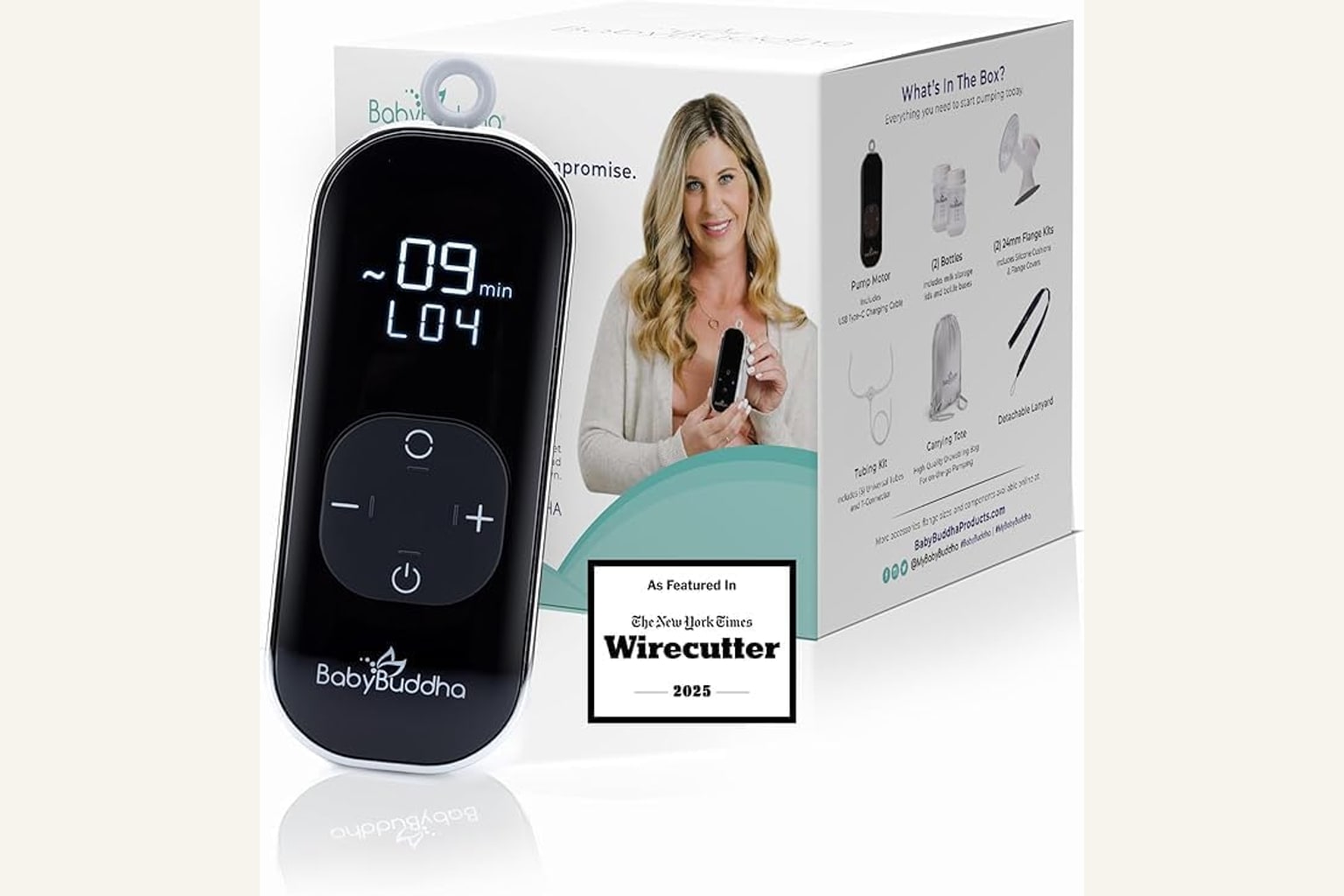
BabyBuddha
A buyer who wants a small separate motor and is comfortable understanding the controls and the exact collection arrangement.
BabyBuddha 2.0 puts the motor-size question first. A reviewer using BabyBuddha 2.0 described slipping the small motor into clothing pockets while using her own flange and backflow arrangement. A separate tester liked the more deliberate trackball and distinct modes. The appeal is compact carrying with physical controls, while collection pieces and tubing remain part of the setup. This review concerns 2.0, including its learning curve, rather than features or kits associated with later versions.
Reasons to choose it
- A reviewer using BabyBuddha 2.0 found the motor small enough for clothing pockets.
- A tester liked the deliberate trackball movement and distinct modes.
- The official parts catalog identifies concrete replacement categories for 2.0.
Tradeoffs to know
- A small motor still leaves separate collection components and tubing to arrange.
- The BabyBuddha 2.0 reviewer used her own flange setup and an added swivel accessory.
- The personal setup shown in the review needs to be distinguished from the components supplied with an offered kit.
Think twice if: You want a self-contained wearable or assume a reviewer’s personal flange setup and added accessory will arrive in the box.
Published specifications
- collection arrangement
- Separate motor, tubing and collection assemblies
Further reading
Ratings
Editorial score 8
Controls and feedback8
A tester liked the deliberate trackball and distinct modes; a brand-affiliated demonstration shows the learning involved. This is a control judgment about 2.0, without transferring later-model behavior.
Parts and daily handling7
The official catalog identifies replacement categories and the reviewer used a separate flange/backflow arrangement. Assembly chores remain; her personal accessories do not establish box contents or universal compatibility.
Carrying and physical setup9
The BabyBuddha 2.0 reviewer described a motor small enough for clothing pockets, with separate collection parts still required. Her added accessory is personal. Battery autonomy and runtime are excluded.
Sources & further reading
youtube.com review
youtube.com review
youtube.com review
youtube.com review
youtube.com product information
bemybreastfriend.com review
babybuddhaproducts.com product information
Keep reading
Something changed? Help us keep this useful.
Send a correction →