Arlo Essential Outdoor Camera 2K 2nd Gen Review (2026): Cheap Kit, Big Plan Catch
A single-product review of Arlo’s discounted 2K battery outdoor camera, including Arlo Secure limits, setup and charging realities, variant caveats, owner-rating risk, and better alternatives.
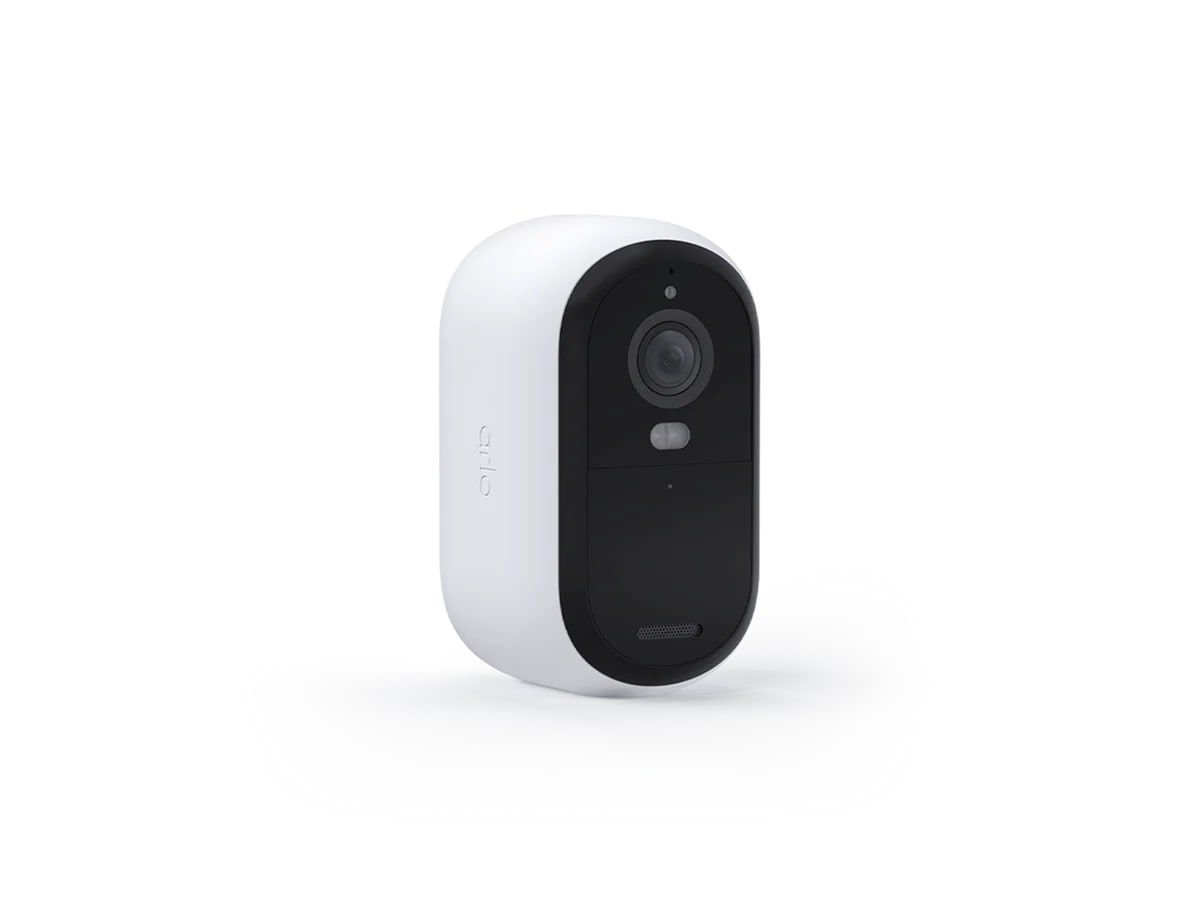
Arlo Essential Outdoor Camera 2K (2nd Gen) is a cautious buy only for discounted Arlo-plan shoppers. It has appealing 2K video, spotlight/color-night hardware, direct Wi‑Fi, and a clean Amazon seller snapshot, but Arlo Secure, local-storage limits, mixed ratings, variant weirdness, and a newer 3rd Gen keep it last in our security-camera ranking.
MSRP
$79.95
Amazon
$74
at writing · 2026-05-06
Buyer fit
The Arlo choice only if the current kit price and Arlo Secure plan make sense to you. Video and detection are appealing, but plan dependence, mixed owner ratings, variant weirdness, and a newer 3rd Gen make it a cautious last-place pick.
MSRP
$79.95
Amazon
$74
at writing · 2026-05-06
Score breakdown
How this product scored
Same rubric, but focused on one product so the reasons behind the score stay readable.
Alert accuracy and noise
Arlo’s plan-backed recognitions are useful, but many of the smartest alerts depend on Arlo Secure.
Video and night usefulness
2K HDR and spotlight/color night positioning are good for the class.
Storage, plans, and clip access
Plan dependence is the biggest drawback; local storage is conditional on separate hub/base-station paths rather than built into this kit.
App speed and reliability
Arlo app UX can be clean, but ratings and owner reports are more mixed than the brand promise suggests.
Privacy, security, and trust
Arlo is a security-camera specialist, yet cloud-plan dependence and account concerns keep confidence in the middle.
Install, power, and maintenance
Direct Wi-Fi and battery setup are simple; high-traffic battery life and kit/variant ambiguity require care.
Ecosystem and support
Works with major assistants, but Apple Home support is conditional/conflicting and a newer 3rd Gen lowers long-term appeal.
Quick Verdict
Arlo Essential Outdoor Camera 2K (2nd Gen) is the camera that looks tempting when the price is weirdly good. In our Best Security Cameras in 2026 ranking, it finished #8 as the Best discounted Arlo-plan pick with a 6.7/10 score. That is not a “bad camera” label. It is a “read the fine print before you mount it” label.
The checked Amazon offer was genuinely interesting: ASIN B0CFX8T281, a 2-camera white 2K Outdoor 2nd Gen kit, new, in stock, sold and shipped by Amazon.com, captured at $74.00 with a $79.95 typical-price anchor. For two Arlo cameras, that can look like a steal. The camera family also has real strengths: 2K video, 130° coverage, spotlight-assisted color night vision, two-way audio, siren, direct 2.4 GHz Wi‑Fi, and the Arlo Secure app.
The catch is ownership cost and certainty. A Security.org reviewer said the quiet part loudly: without Arlo Secure, “this camera is basically a live streaming device.” Add a non-removable battery, plan-dependent smarter alerts, conditional hub-based local storage, mixed owner ratings, and a newer 3rd Gen shown by Amazon, and this becomes a narrow recommendation. Use the product links to recheck today’s price, seller, stock, exact ASIN, plan terms, variant, and return path; those links also help support KB4UB.
Score Breakdown
Arlo Essential 2K Outdoor 2nd Gen scored 6.7/10 in the security-camera grid. Its best case is video and plan-backed detection. Its weakest case is clip access, because too much of the useful Arlo experience lives behind Arlo Secure or separate Arlo hardware.
- Alert accuracy and noise: 7.6/10. Person, package, vehicle, animal, and other smarter detections are appealing, but several are plan-dependent rather than free camera basics.
- Video and night usefulness: 7.7/10. 2K / 2560×1440 video, 12x digital zoom, spotlight, and color-night positioning are solid for a mainstream battery camera.
- Storage, plans, and clip access: 5.8/10. This is the big penalty. No built-in microSD; local storage is only a compatible SmartHub/Base Station path, not an on-camera feature.
- App speed and reliability: 6.8/10. The Arlo app can feel polished, but settings depth and mixed owner ratings keep this below Ring or Nest for ease.
- Privacy, security, and trust: 6.7/10. Arlo is a camera specialist, but cloud-plan dependence and account comfort still matter.
- Install, power, and maintenance: 7.4/10. Direct Wi‑Fi and wire-free mounting are easy; the integrated battery means charging can mean taking the camera down.
- Arlo/support fit: 6.6/10. Alexa and Google fit are useful, Apple Home is conditional/conflicting, and 3rd Gen reduces the appeal of buying 2nd Gen unless the price is right.
What Feels Good Right Away
The best version of this camera starts with the price and the image. At the captured Amazon snapshot, a new two-camera Arlo kit for $74 looked like the kind of deal that makes people stop comparing and click. If you already like Arlo or planned to subscribe anyway, that low hardware entry point is the whole reason this product stayed in the ranking.
The video story is also credible. Security.org said “the video quality definitely stands out” and described the 2K resolution as making things “very very crisp,” especially close to the camera. Best Buy’s overview made the product-page promise more dramatic, saying “2K video with HDR means you’ll see clear footage” and can zoom in 12 times without losing clarity. I would not treat retailer phrasing as a lab result, but the broader pattern is consistent: Arlo’s 2K image is not the weak point.
The outdoor deterrence package is useful, too. You get the spotlight, siren, two-way audio, motion alerts, weather-resistant placement, and a small camera body that is easier to mount than a floodlight-style unit. For a side door, porch, gate, garage corner, or backyard angle where 130° is enough, it can feel like a tidy little Arlo setup.
The Arlo Secure Reality
This is the section that decides whether the Arlo price is actually good. Arlo Essential 2K is not a Tapo, Wyze, Reolink, or eufy-style local-recording pick. There is no on-camera microSD card doing the clip archive job. The dossier found that Arlo support limits no-plan use to basics such as live streaming, push notifications, and two-way audio, while Video History and Activity Zones require a plan.
Security.org put it in buyer language: without an Arlo Secure subscription, “you don’t get any video history no smart detection no activity zones.” The same reviewer added that buyers should “expect to budget for a monthly subscription.” That quote matters because it changes the meaning of the hardware discount. A cheap camera that needs a plan for the moments you care about is not the same bargain as a cheap camera with usable local clips.
There is a local-storage caveat, but it is not simple. Arlo’s newer FAQ path says compatible SmartHub/Base Station models can support local storage. That is not built into this kit, and it is not the same as opening the box and inserting a card. If your goal is no monthly bill and buyer-controlled clips, start with eufy SoloCam S340, Tapo C120, or Reolink Argus 4 Pro before you talk yourself into Arlo.
Battery, Setup, and Maintenance
Setup is one of Arlo’s nicer traits. The Essential 2K connects directly to 2.4 GHz Wi‑Fi, so you do not need a hub for basic use. Best Buy called installation “a breeze,” with the sensible reminder to fully charge the battery before installing. The box path is straightforward: charge it, pair it in the app, mount it, aim it, then test motion and night footage before you decide the location is final.
The maintenance catch is the battery. The standard Essential 2K uses an integrated rechargeable battery, not a removable pack. Official FAQ guidance puts typical battery life around four to six months, while review/spec evidence cautions that higher-sensitivity or high-traffic use can land closer to two to four months. Either way, if the camera is mounted high, recharging may mean ladder time unless you add Arlo’s solar panel or outdoor USB-C charging cable.
That is not automatically a dealbreaker. Battery cameras are always a trade: easier placement now, more attention later. But Arlo’s non-removable battery makes the attention less graceful than cameras with hot-swappable packs or strong solar-first designs. Before drilling, put the camera in the real spot, trigger it repeatedly, check Wi‑Fi strength, check night view, and imagine doing the recharge routine when it is cold or raining.
Video, Night Use, and Alerts
For normal check-in footage, Arlo’s 2K camera is good enough to deserve respect. Security.org described daytime footage as a “really nice image” and said the picture “still holds up really well” at farther distances in its test scene. The same review was impressed by black-and-white night exposure handling, which matters because many cameras blow out faces when someone gets close.
Color night vision needs the usual security-camera reality check. This is spotlight-assisted color, not daylight in a box. Security.org called the color-night result “decent” but noted that the closer the subject is to the camera and spotlight, the better the image will be. That is exactly how buyers should think about it: good placement and nearby light can make it useful; a long, dark driveway may still disappoint.
Alerts are where Arlo gets attractive and expensive at the same time. Best Buy highlighted activity zones, object detection for person/vehicle/animal/package, and animated previews. Those are the kinds of features that can make a camera feel calmer because you get fewer dumb alerts and more useful notifications. The problem is that the smarter version of that story is tied to Arlo Secure plan terms and tiers. If you will subscribe, fine. If you are trying to avoid another monthly line item, those alerts should not be counted as free value.
App, Trust, and Smart-Home Fit
Arlo’s app is powerful, but it is not the lowest-effort app in this ranking. Security.org said the Arlo Secure app gives “a lot of control,” then immediately added that it is “not the most intuitive app out there” because some settings feel buried. That is a useful calibration: advanced users may appreciate the control, while someone who wants Ring-or-Nest simplicity may get annoyed.
The trust question is less dramatic than Ring’s public privacy history and less locally reassuring than Reolink or Tapo. Arlo is a security-camera specialist, and the optional hub path can help some buyers who want more local control. But the default kit is still cloud-plan shaped, account-based, and dependent on Arlo’s service model for history and advanced detection.
Smart-home support also needs caution. Alexa, Google Home, and IFTTT support are the safer claims from the current evidence. Apple Home is muddy: Arlo FAQ material lists Apple Home, while the Amazon description points to SmartHub requirements and conflicting compatibility language. If Apple Home is the reason you are buying, verify the exact 2nd Gen 2K Outdoor model, hub/base-station requirement, firmware, and region before checkout. Do not assume the cheap kit solves that for you.
Variant and Commerce Caveats
This product has one of the strangest commerce snapshots in the set, and it should stay strange in your head until you recheck it. The reviewed Amazon ASIN was B0CFX8T281 for a 2-camera white 2K Outdoor 2nd Gen kit, captured at $74.00, new, in stock, sold and shipped by Amazon.com. Amazon also showed “Typical price: $79.95” for that selected kit, while the dossier noted a 1-camera variant with a different typical-price anchor.
That means two things. First, the checked offer was attractive. Second, the price is not a clean product-family MSRP. Do not compare the $74 two-camera snapshot against single-camera rivals as if every product is being priced the same way. Do not use the “New & Used from $49.99” line as the real new price either; the review uses the new buy box, not lower used/resale offers.
There is also a generation caveat. Amazon displayed a newer 3rd Gen 2025 Arlo Essential 2K model. Buying the 2nd Gen can still make sense if the discount is real and the plan fit is right, but it should be a conscious discounted-stock decision, not an accidental purchase of an older model.
How It Compares
Arlo ranks last here because the alternatives make cleaner promises.
- eufy SoloCam S340: Better default for most outdoor buyers. It combines solar help, pan/tilt coverage, local clips, and no required monthly plan. If you do not already want Arlo, start there.
- TP-Link Tapo C120: Better cheap pick if you can plug in power. Tapo gives 2K+ video and microSD recording for far less plan drama.
- Reolink Argus 4 Pro: Better outdoor no-subscription hardware story: 4K dual-lens, 180° coverage, solar, and microSD.
- Ring Outdoor Cam Plus Battery: Better for Alexa/Ring homes that value familiar setup over local storage. Ring is also plan-aware, but the app is easier for many mainstream households.
- Google Nest Cam Battery: Better if Google Home fit matters most, even though Nest is only 1080p and also pulls toward paid history.
- Wyze Cam v4: Better if you want the cheapest hardware with microSD and can tolerate Wyze trust/app caveats.
- Blink Outdoor 4: Better if you want an inexpensive Alexa two-camera battery kit and understand the Sync Module/local-storage limitations.
Arlo’s lane is narrower: existing Arlo homes, plan-friendly buyers, or bargain hunters who verify the exact kit and accept the older-generation caveat.
Who Should Buy It — and Who Should Skip It
Buy Arlo Essential Outdoor Camera 2K (2nd Gen) if you already like Arlo, plan to subscribe to Arlo Secure, and the live price still makes the hardware unusually cheap. It can also make sense if you want a simple battery camera with 2K footage, spotlight deterrence, two-way audio, and direct Wi‑Fi without jumping into Arlo Pro or Ultra pricing.
Buy it for moderate-traffic placements where recharging every few months is acceptable, 130° coverage is enough, and you are not depending on on-camera local storage. It is more appealing as an add-on or discounted Arlo starter kit than as the camera I would recommend to a first-time no-fee shopper.
Skip it if your main goal is avoiding monthly fees, keeping clips on a built-in card, getting the newest Arlo Essential generation, or minimizing maintenance. Also skip it for hard-to-reach high-traffic spots unless you are budgeting for solar or outdoor power. Apple Home buyers should pause until the exact compatibility path is verified. And if the live Amazon page changes seller, condition, camera count, generation, or price, treat that as a new review of the offer — not the same deal described here.
Bottom Line
Buy it if: you want Arlo specifically, you are comfortable paying for Arlo Secure, and the verified 2-camera 2nd Gen kit is still a real discount from a seller you trust.
Skip it if: you want no monthly plan, built-in local recording, a removable battery, a clearer Apple Home path, or the newest Arlo Essential model.
Bottom line: Arlo Essential Outdoor Camera 2K (2nd Gen) is not last because the camera has no strengths. The 2K video, spotlight, direct Wi‑Fi setup, and current Amazon.com 2-camera price are all legitimate reasons to look. It is last because the best ownership version depends on a plan, careful variant checking, and tolerance for Arlo’s app/settings model. If that sounds fine, it can be a smart discounted Arlo buy. If it sounds exhausting, read the full security-camera ranking first; eufy, Tapo, Reolink, Ring, or Nest may give you a cleaner kind of confidence.
Tell us what this page missed
These pages get better when real buyer complaints make it back into the scoring model. If something important is underweighted, say it.
Rate this review
Give it a score from 1-10 and tell us what to improve.
0/4000 characters