Fully Jarvis Bamboo Standing Desk Review 2026: Still Appealing, but Harder to Recommend Blindly
A UX-first review of Jarvis Bamboo as the design-led premium desk that still has appeal, but no longer has the cleanest buying story.
Jarvis Bamboo still looks good and fits well, but recommending it today is harder than the older reputation suggests because continuity, pricing, and support all feel shakier now.
MSRP
$829
Amazon
—
Buyer fit
Design-forward premium desk with ongoing Herman Miller and Fully continuity complications.
MSRP
$829
Amazon
—
Overview
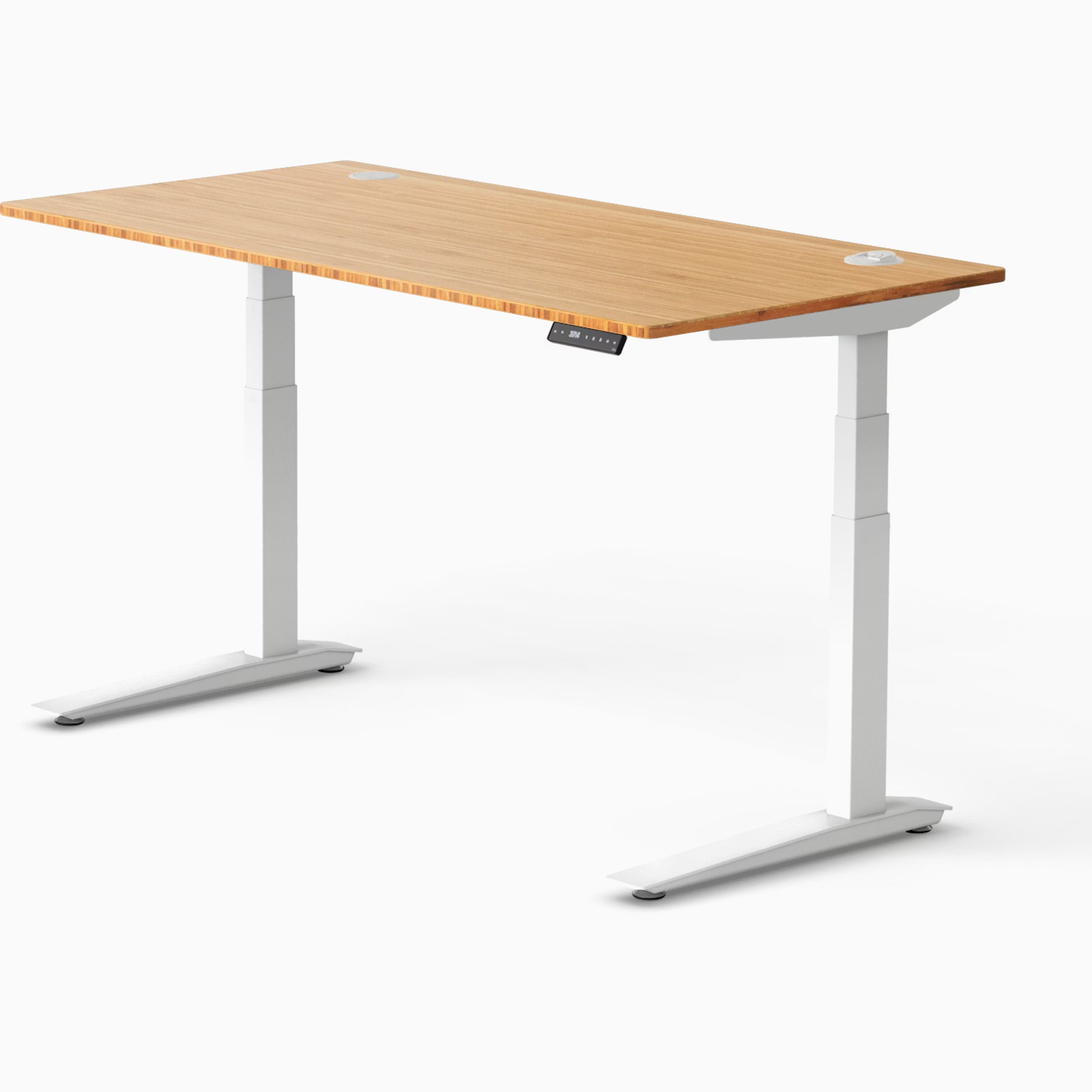
Jarvis Bamboo is still appealing because it does something many standing desks do not. It feels like an intentionally chosen piece of home-office furniture, not just a frame with a top attached.
What changed is the clarity around the product itself. Jarvis still exists through Herman Miller, but the Fully-to-Herman-Miller continuity story adds extra hassle, and that matters because this is no longer a desk coasting on a clean present-tense recommendation. Buyers are being asked to weigh taste against certainty.
What It’s Like to Own
The best Jarvis story is still about everyday satisfaction once the desk is in place. Buyers who care about the bamboo look and warmer home-office feel can still make a very real case for it. The fit range also remains one of its better strengths.
The weaker part of the story is everything around that use. Premium pricing now sits next to a messier continuity wrapper and a less clearly reassuring support backdrop. That makes the desk feel more conditional than its old reputation would suggest.
Feature Breakdown
Jarvis Bamboo still offers real choice in shape, controls, and fit range, plus one of the category’s more distinctive premium material stories. That keeps it relevant.
But the desk is strongest when judged as a design-led premium desk, not as the cleanest performance buy or the easiest premium value. Buyers looking mainly for raw frame confidence or the least support ambiguity have easier options now.
Who Should Buy It
Buy Jarvis Bamboo if you specifically want the Jarvis look and care about home-office warmth as part of the purchase. It is still a reasonable fit for moderate-load users who want a more design-forward desk.
Skip it if your goal is to remove ambiguity from the purchase. Uplift is easier to defend as a premium pick, and other desks now make cleaner cases on value or support quality.
Bottom Line
Jarvis Bamboo still fills a real design-led lane in the category, and that lane will matter to some buyers.
It is just no longer an effortless recommendation. Today it works best as a fit-dependent choice, not a broad premium pick.
Tell us what this page missed
These pages get better when real buyer complaints make it back into the scoring model. If something important is underweighted, say it.
Rate this review
Give it a score from 1-10 and tell us what to improve.
0/4000 characters