Anker Nebula Mars 3 Air Review (2026): Easy Movie Nights, Real Brightness Limits
Why Anker’s Mars 3 Air is our safest casual portable-projector pick, where its 400 ANSI-lumen brightness stops being enough, and which setup details to check before buying.
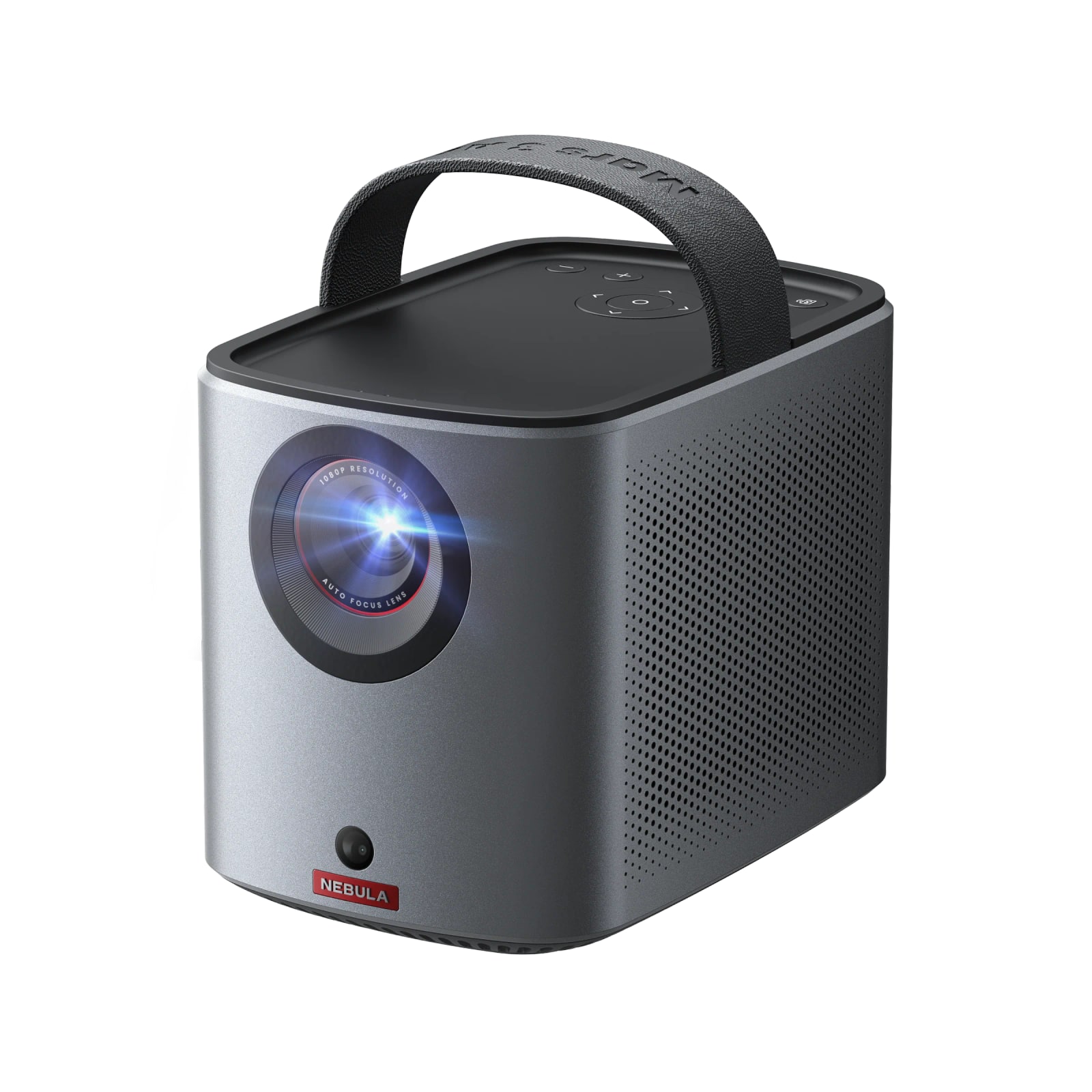
The Anker Nebula Mars 3 Air is the most balanced portable projector in this set: battery-powered, native 1080p, Google TV with licensed Netflix, useful auto setup, strong speakers, and a real handle. Its limits are predictable rather than alarming: dark-room brightness, first-run Google TV setup, USB-C expectations, and thinner long-term owner evidence.
MSRP
—
Amazon
$469.99
at writing · 2026-05-15
Buyer fit
The safest default for most casual movie nights: real battery portability, 1080p, Google TV with licensed Netflix, stronger audio than tiny cans, and a clean AnkerDirect Amazon snapshot.
MSRP
—
Amazon
$469.99
at writing · 2026-05-15
Score breakdown
How this product scored
Same rubric, but focused on one product so the reasons behind the score stay readable.
Image quality and real brightness
Anker Nebula Mars 3 Air scores 8/10 for image quality and real brightness based on source material, product-specific review evidence, and current listing caveats.
Setup, focus, and placement
Anker Nebula Mars 3 Air scores 8/10 for setup, focus, and placement based on source material, product-specific review evidence, and current listing caveats.
Portability, power, and runtime
Anker Nebula Mars 3 Air scores 8/10 for portability, power, and runtime based on source material, product-specific review evidence, and current listing caveats.
Streaming and app behavior
Anker Nebula Mars 3 Air scores 8/10 for streaming and app friction based on source material, product-specific review evidence, and current listing caveats.
Fan noise, audio, and heat
Anker Nebula Mars 3 Air scores 8/10 for fan noise, audio, and heat based on source material, product-specific review evidence, and current listing caveats.
Inputs and compatibility
Anker Nebula Mars 3 Air scores 7/10 for inputs and compatibility based on source material, product-specific review evidence, and current listing caveats.
Reliability and support
Anker Nebula Mars 3 Air scores 7/10 for reliability and support based on source material, product-specific review evidence, and current listing caveats.
Use-case fit
Anker Nebula Mars 3 Air scores 9/10 for use-case fit based on source material, product-specific review evidence, and current listing caveats.
Source confidence
Anker Nebula Mars 3 Air scores 8/10 for evidence confidence based on source material, product-specific review evidence, and current listing caveats.
Before You Buy
The Anker Nebula Mars 3 Air is Anker/Nebula’s mainstream answer to the portable movie-night problem: a handle-equipped 1080p projector with battery power, Google TV, licensed Netflix, and speakers strong enough that you do not have to build a mini home theater around it. The reason to keep reading is not that it is flawless. It is that the small catches are exactly the ones that decide whether you enjoy it after the first weekend: how dark the room needs to be, whether the battery really covers your kind of movie night, what Google TV setup feels like, and whether the built-in speakers are good enough to leave the Bluetooth speaker at home.
Use this review as a regret check before checkout. If you want the full category map, start with our best portable projectors ranking; this page is the deeper Anker Nebula Mars 3 Air read. Product links can help you recheck current price, seller, exact ASIN, and availability, and they also help support KB4UB.
Quick Verdict
The Mars 3 Air is the best overall portable projector in this set because it feels like the safest version of the casual-movie promise: native 1080p, 400 ANSI-lumen-class brightness, a built-in battery, a real handle, Google TV with officially licensed Netflix, automatic focus/keystone/screen-fit help, and stronger audio than tiny can-style projectors.
That mix matters more than any single spec. A brighter projector like the Nebula X1 is better for a serious backyard setup, but it costs far more and needs AC power. XGIMI’s MoGo 4 Laser is cleverer for aiming at ceilings or awkward walls, but the Mars 3 Air feels more complete as a self-contained family movie-night box. The main caveat is calibration: 400 ANSI lumens is not daylight TV brightness. One Gadget Squared transcript put it perfectly: “Daytime with sunlight pouring in, not a chance.” In dark bedrooms, curtained rooms, hotel rooms, and patios after sunset, that limitation is reasonable. In a bright living room at noon, it is the wrong tool.
Score Breakdown
- Image quality and real brightness: 8/10. Native 1080p and usable contrast make it feel like a real movie projector in controlled light. The brightness ceiling is still real, so the score rewards dark-room performance without pretending it beats daylight.
- Setup, focus, and placement: 8/10. Autofocus, auto keystone, screen fit, and obstacle avoidance do a lot of the annoying work after you move it. A Rjey Tech transcript described the appeal as “all you have to do is plug it in press the power button and that's literally it.”
- Portability, power, and runtime: 8/10. The handle and built-in battery are the reason this feels portable in daily life. Expect roughly 2 to 2.5 hours of movie playback from the source material, not an endless cordless binge machine.
- Streaming and app behavior: 8/10. Google TV and licensed Netflix are a major win in a category full of workaround stories, though first setup can still be clunky.
- Fan noise, audio, and heat: 8/10. The dual 8W speaker system is one of the reasons Mars 3 Air outranks smaller models.
- Inputs and compatibility: 7/10. HDMI and basic ports help, but the lack of USB-C charging/input flexibility is a real miss.
- Reliability and support: 7/10. Current Amazon-new identity looked clean, but long-term owner/forum coverage was thinner than review/transcript coverage.
- Use-case fit: 9/10. For casual bedroom, travel, kids’ room, and patio-after-dark use, the fit is unusually coherent.
What Feels Great After Setup
The best part of the Mars 3 Air is that it behaves more like a little entertainment appliance than bare AV gear. You can carry it by the handle, set it on a table or tripod, let the image square itself up, open Netflix without a side-loaded workaround, and use the built-in speakers without immediately reaching for another device. That sounds basic until you compare it with the portable-projector category, where a lot of models make you solve power, apps, aiming, and audio separately.
The review transcripts repeatedly point to that lived-in convenience. Rjey Tech praised the white-wall experience, saying “the colors pop,” the “vibrancy is fantastic,” and brightness is “excellent” in the right setting. Gadget Squared was especially strong on audio, saying the speakers have “proper bass,” “the mids are strong,” and “dialogue is clear.” That last point is easy to underestimate. A portable projector with weak audio quietly becomes a two-product setup; a projector with good enough built-in sound is much easier to move from bedroom to patio to guest room.
The other nice surprise is how much the automatic setup stack helps. It does not remove physics — you still need a sensible distance, a reasonably dark environment, and a surface worth projecting on — but it reduces the tiny fiddling that makes portable projectors feel worse than a TV.
What Gets Annoying
The first annoyance is brightness expectation. Mars 3 Air is strong for its lane, not a miracle. It is happiest in darkness or low light. If your mental picture is a bright summer backyard before sunset, buy a brighter AC-powered model or wait until the light drops. This is a calibrated caveat, not a dealbreaker: for most casual movie nights, waiting for a darker room solves it; for daytime viewing, it is fundamental.
The second annoyance is first setup. Google TV is a good long-term choice, but one Gadget Squared transcript said, “Google TV is fantastic once you're in, but the initial signing process was a bit clunky.” That is exactly the kind of issue that can make the first night feel less magical, especially if you are setting it up for guests. The good news from the same evidence is that “everything after that runs smoothly,” so this reads more like a first-run hurdle than a recurring flaw.
The third annoyance is power and ports. The captured source material confirms a built-in battery and DC charging, but USB-C/power-bank behavior is not a safe selling point here. Gadget Squared called out the back panel plainly: “There's no USB type-C, which is a bit disappointing.” If your travel plan depends on USB-C power banks, verify the exact listing and accessories before buying.
How It Compares
Mars 3 Air wins because it asks the fewest strange compromises from a normal buyer who just wants the projector to come out, square up, stream, and sound decent. XGIMI Halo+ is the closest 1080p battery alternative, but the parent research flagged variant confusion around older and newer listings. XGIMI MoGo 4 Laser is the more flexible physical design; its 360-degree stand is genuinely useful if you want ceiling projection or awkward-angle placement. But the Mars 3 Air pushes back with stronger all-in-one movie-night basics: built-in battery, handle, Google TV/Netflix, and more convincing speaker evidence.
Nebula X1 is the obvious step up when brightness is the whole point, but it is a different kind of product: expensive, heavier, and AC-powered. LG CineBeam Q is attractive and 4K, but it is more of a stylish dark-room shelf projector than a true battery portable. Capsule 3 is easier to tuck away, yet its 200 ANSI-lumen class is dimmer. Samsung Freestyle 2nd Gen is appealing for Samsung-interface households, but its brightness and power caveats keep it below stronger projector-first picks. Aurzen ZIP is the pocket specialist; it is fun because it folds small, not because it competes with Mars 3 Air for a family movie night.
Who Should Buy It
Buy the Anker Nebula Mars 3 Air if you want the least complicated portable projector for dark bedrooms, sleepovers, rentals, dorm-style setups, hotel rooms, kids’ rooms, or a patio after sunset. It is especially easy to recommend if built-in Netflix, good enough speakers, a handle, battery use, and quick automatic setup are more important than native 4K or serious gaming specs.
Skip it if you need daytime brightness, a huge ambient-light backyard screen, true pocket carry, verified low input lag for competitive gaming, or USB-C power-bank flexibility. Also skip it if you already know you want a premium AC-powered outdoor projector; Mars 3 Air is the balanced portable pick, not the brute-force brightness pick.
Bottom line: Mars 3 Air stays number one because its flaws are predictable and livable for the right buyer. Recheck current price and the exact B0CHW168LV listing before checkout, then compare it against the full portable projector ranking if any of those caveats sound like your real use case.
Tell us what this page missed
These pages get better when real buyer complaints make it back into the scoring model. If something important is underweighted, say it.
Rate this review
Give it a score from 1-10 and tell us what to improve.
0/4000 characters