Razer BlackWidow V4 75% Review (2026): UX Verdict, Score, and Buyer Fit
A single-product UX review of the Razer BlackWidow V4 75%, rewritten from KB4UB's ranked mechanical keyboard shortlist for buyers who want the gamer-to-enthusiast bridge.
Razer combines strong sound-and-feel progress with real gaming credibility, but reliability caution and compromise points keep it below the top three.
MSRP
$189.99
Amazon
—
Buyer fit
Best gamer-to-enthusiast bridge for buyers who want strong typing and gaming balance without giving up mainstream convenience entirely.
MSRP
$189.99
Amazon
—
Score breakdown
How this product scored
Same rubric, but focused on one product so the reasons behind the score stay readable.
Typing and sound quality
This is one of the strongest parts of the product, with repeated praise for a better-than-expected balance of sound, feel, and gaming usability.
Build and component quality
The board feels more premium and enthusiast-aware than typical gaming-brand peers, though material compromises keep it from going higher.
Software and customization experience
Customization is useful and capable, but the software experience does not stand out as a major quality-of-life win in this field.
Wireless and daily convenience
Daily convenience is more limited here, which narrows the recommendation compared with more versatile wireless-capable competitors.
Support reliability
Reliability caution around switches drags down post-purchase confidence and makes the board feel less safe than its strongest first impressions suggest.
Quick Verdict
Razer has spent years making gaming keyboards that were easy to recognize but not always easy to love outside the gaming lane. The BlackWidow V4 75% is more interesting because it tries to bridge that old gap. It still belongs to a mainstream gaming ecosystem, but it clearly wants to feel more enthusiast-aware in sound, feel, and customization. That makes it one of the easiest boards here to imagine as a single-keyboard solution for someone who games seriously but also wants their keyboard to feel satisfying during normal work. The compact 75 percent layout, feature density, and stronger acoustic story all support that pitch. In short, this is Razer trying to prove it can make a keyboard people enjoy after the LEDs stop being the main event.
In the parent best-of review, Razer BlackWidow V4 75% finished #4 out of 6 with an overall score of 7/10. That keeps it aligned with the gamer-to-enthusiast bridge lane and the original shortlist framing: Best gamer-to-enthusiast bridge for buyers who want strong typing and gaming balance without giving up mainstream convenience entirely.
This is the best bridge pick for buyers who want a gaming board that does not feel dead the moment the match ends. Razer genuinely improved the ownership story here, especially around sound-and-feel balance. The reason it sits below the top three is not lack of appeal. It is that the lingering reliability and premium-compromise concerns make it harder to recommend as confidently as the best specialist or best all-round picks.
Score Breakdown
- Typing and sound quality: 8/10. This is one of the strongest parts of the product, with repeated praise for a better-than-expected balance of sound, feel, and gaming usability.
- Build and component quality: 8/10. The board feels more premium and enthusiast-aware than typical gaming-brand peers, though material compromises keep it from going higher.
- Software and customization experience: 7/10. Customization is useful and capable, but the software experience does not stand out as a major quality-of-life win in this field.
- Wireless and daily convenience: 5/10. Daily convenience is more limited here, which narrows the recommendation compared with more versatile wireless-capable competitors.
- Value: 7/10. It delivers enough sound-and-feel improvement to justify interest, but some premium compromises keep it from feeling like an obvious bargain.
- Support reliability: 5/10. Reliability caution around switches drags down post-purchase confidence and makes the board feel less safe than its strongest first impressions suggest.
What Stands Out
The praise is broad and practical. Buyers repeatedly like the balance between typing and gaming, the stronger-than-expected stock sound and feel, and the fact that the board feels closer to enthusiast taste than older mainstream gamer boards usually did. Low latency and solid gaming performance are still part of the package, but they are not carrying the whole recommendation alone. The compact feature-rich layout also helps, because it gives the keyboard a more complete everyday identity than some stripped-down gaming-first designs. For a lot of buyers, the win is that this board can feel fun in both directions. It can game hard, but it can also feel good during ordinary desk time.
Where It Falls Short
The main negative theme is that some classic mainstream-brand compromises are still visible. Switch-reliability concerns show up often enough to matter, and there is also criticism around ABS keycaps and missing niceties some buyers expect once a board starts leaning enthusiast. That creates a familiar tension. Razer gets credit for aiming higher, but buyers paying premium money still notice where the company stops short of full enthusiast execution. The software path is also less of a positive differentiator than Wooting's or Keychron's. So while the board is good, it does not fully escape the gravity of being a gaming-brand product trying to be taken seriously by a fussier crowd.
Buyer Fit
Best for: Gamers who want one board that still feels enjoyable for typing, and buyers who like the idea of enthusiast-adjacent sound and feel without leaving a mainstream ecosystem entirely.
Less ideal for: People who are especially cautious about switch reliability, or enthusiasts who expect every material and component choice to fully match the premium price story.
Biggest caution: Reliability caution is the biggest issue because it limits trust. Switch concerns matter more than small feature omissions, since they directly affect whether the keyboard feels safe to buy long term. ABS keycap criticism and a few missing enthusiast niceties add to the impression that the board is impressive but not fully bulletproof. None of this collapses the recommendation, but it does cap the ceiling. The BlackWidow V4 75% feels strong, not untouchable.
Images and Asset Notes
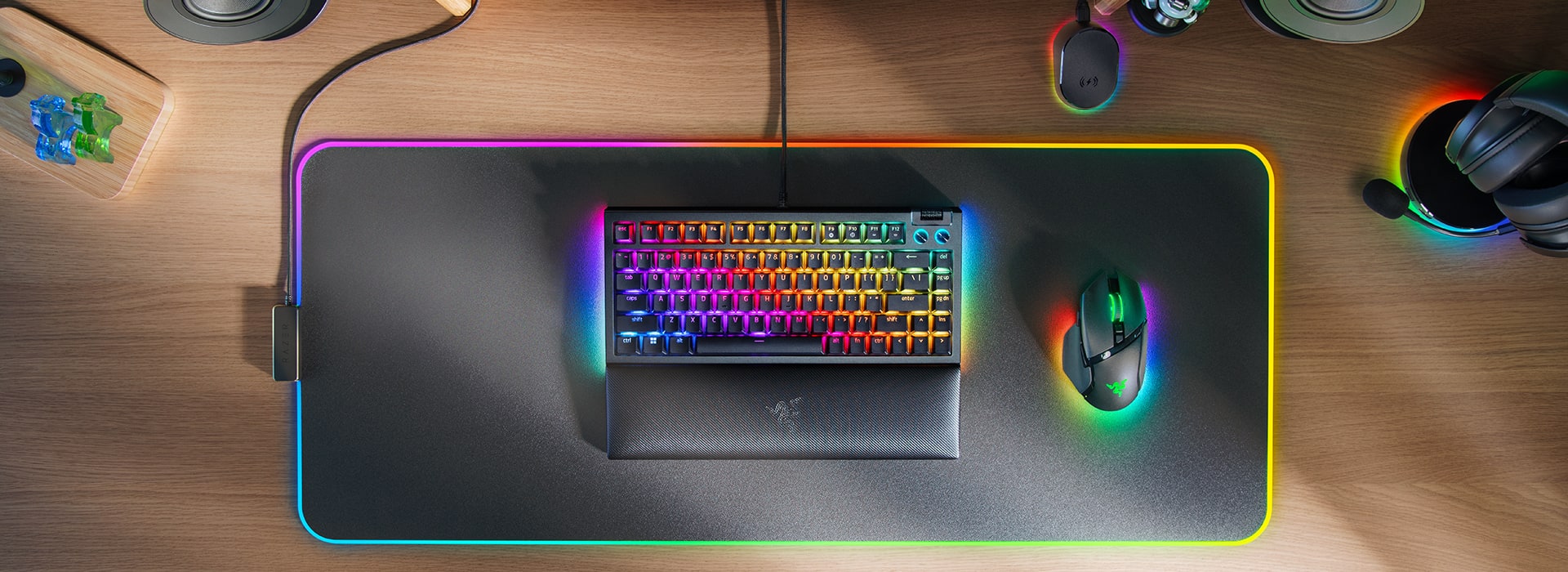
Hero image: product-images/mechanical-keyboards/razer-blackwidow-v4-75/hero.jpg (Razer BlackWidow V4 75% compact hot-swappable mechanical keyboard)
Gallery image: product-images/mechanical-keyboards/razer-blackwidow-v4-75/gallery.jpg (Razer BlackWidow V4 75% hot-swappable design showcase)
Thumbnail image: product-images/mechanical-keyboards/razer-blackwidow-v4-75/thumb.jpg (Thumbnail view of the Razer BlackWidow V4 75% mechanical keyboard)
Tell us what this page missed
These pages get better when real buyer complaints make it back into the scoring model. If something important is underweighted, say it.
Rate this review
Give it a score from 1-10 and tell us what to improve.
0/4000 characters