Logitech G Pro X TKL Lightspeed Review (2026): UX Verdict, Score, and Buyer Fit
A single-product UX review of the Logitech G Pro X TKL Lightspeed, rewritten from KB4UB's ranked mechanical keyboard shortlist for buyers who want the wireless esports convenience pick.
Logitech's strength is coherent wireless competitive use, but flatter enthusiasm on feel and value keeps it from threatening the most buyer-loved picks.
MSRP
$199.99
Amazon
—
Buyer fit
Best clean wireless esports pick for buyers who want dependable low-latency convenience more than enthusiast sound, mods, or hot-swap flexibility.
MSRP
$199.99
Amazon
—
Score breakdown
How this product scored
Same rubric, but focused on one product so the reasons behind the score stay readable.
Typing and sound quality
Typing and feel are broadly good, but the board does not generate the same enthusiasm as the strongest typing-first or sound-first options.
Build and component quality
Build quality is solid and practical, though stabilizer-noise complaints keep the premium impression from feeling fully locked in.
Software and customization experience
Customization exists and is useful, but software dependence prevents it from feeling especially light or enthusiast-friendly.
Wireless and daily convenience
This is the keyboard's clearest win, with repeated evidence supporting low-latency wireless reliability and strong day-to-day competitive convenience.
Support reliability
Support confidence lands in the middle, which is enough to avoid major concern but not enough to strengthen the board's case beyond convenience.
Quick Verdict
Logitech's G Pro X TKL Lightspeed makes the most sense when you understand it as a clean tool for competitive use rather than a keyboard built to charm the enthusiast crowd. Its identity is straightforward: low-latency wireless performance, compact TKL practicality, and a setup story aimed at buyers who want something reliable and portable more than they want a hobby object. That focus is why the keyboard reads coherently even when it is not especially exciting. Logitech is good at packaging a mainstream performance product so it feels polished, travel-friendly, and ready to drop into a serious gaming routine. The tradeoff is that the board's personality can feel more utilitarian than lovable. It wins by staying tidy and competent, not by becoming the keyboard people gush about for sound or character.
In the parent best-of review, Logitech G Pro X TKL Lightspeed finished #5 out of 6 with an overall score of 7/10. That keeps it aligned with the wireless esports convenience pick lane and the original shortlist framing: Best clean wireless esports pick for buyers who want dependable low-latency convenience more than enthusiast sound, mods, or hot-swap flexibility.
If what you want is a clean wireless esports keyboard that feels coherent from setup to daily use, Logitech has a strong case. The board does its job well, and its daily convenience score reflects that. The reason it ranks below the stronger personality picks is that it does not give broader buyers enough extra joy or flexibility to offset the price. It is smart, practical, and a bit emotionally flat, which is exactly right for some people and not enough for others.
Score Breakdown
- Typing and sound quality: 7/10. Typing and feel are broadly good, but the board does not generate the same enthusiasm as the strongest typing-first or sound-first options.
- Build and component quality: 7/10. Build quality is solid and practical, though stabilizer-noise complaints keep the premium impression from feeling fully locked in.
- Software and customization experience: 6/10. Customization exists and is useful, but software dependence prevents it from feeling especially light or enthusiast-friendly.
- Wireless and daily convenience: 9/10. This is the keyboard's clearest win, with repeated evidence supporting low-latency wireless reliability and strong day-to-day competitive convenience.
- Value: 6/10. It makes sense for a narrow buyer type, but broader value looks shakier once buyers compare it against more flexible or more enthusiast-pleasing options.
- Support reliability: 6/10. Support confidence lands in the middle, which is enough to avoid major concern but not enough to strengthen the board's case beyond convenience.
What Stands Out
The positive story is clear and consistent around wireless execution. Buyers repeatedly praise low-latency performance, flexible connectivity, and dependable day-to-day competitive use when the setup is right. The TKL layout also supports the product's travel-and-tournament identity well, and overall build and bundle quality help reinforce the impression that this is a serious mainstream esports tool. People who care about portability, clean connection options, and practical gaming reliability have an easy time understanding the product. It does not ask the buyer to be an enthusiast. It simply tries to remove cable hassle while keeping performance sharp, and that straightforward promise lands well with the right audience.
Where It Falls Short
Where the keyboard loses momentum is in excitement and value. Price pushback is common, especially when buyers compare it against enthusiast alternatives that offer more personality, more flexibility, or both. No hot-swap support hurts its appeal outside the esports lane, and some reports of stabilizer noise chip away at the premium feel. There is also some software dependence and occasional dongle-placement caveat baggage, which means the convenience story is good, not perfectly frictionless. Overall, the negative pattern is less about failure and more about limited emotional payoff. People can respect this keyboard without necessarily feeling delighted by it.
Buyer Fit
Best for: Wireless-first competitive gamers, travelers, and buyers who want a tidy TKL board that prioritizes low-latency convenience over enthusiast experimentation.
Less ideal for: Buyers seeking hot-swap flexibility, stronger stock acoustics, or a keyboard with more personality and value appeal outside the narrow esports use case.
Biggest caution: The biggest issue is that its strengths are practical rather than magnetic. Price pressure, no hot-swap support, some stabilizer noise, and software dependence make it easier to describe as competent than exciting. There are also smaller wireless caveats around dongle placement that remind buyers this is still a performance tool, not magic. None of those issues are fatal on their own, but together they explain why the board feels easier to respect than to love.
Images and Asset Notes
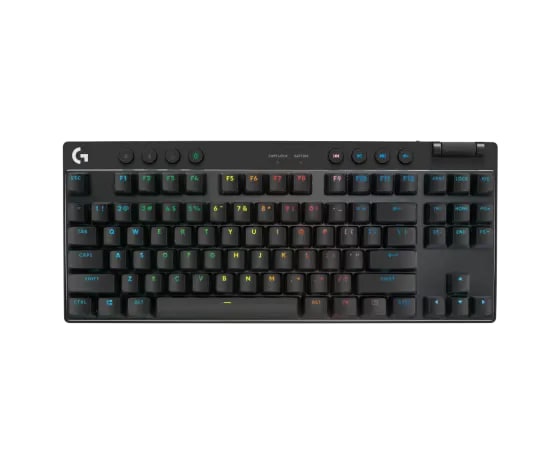
Hero image: product-images/mechanical-keyboards/logitech-g-pro-x-tkl-lightspeed/hero.jpg (Logitech G Pro X TKL Lightspeed wireless mechanical gaming keyboard in black, front product shot)
Gallery image: product-images/mechanical-keyboards/logitech-g-pro-x-tkl-lightspeed/gallery.jpg (Logitech G Pro X TKL Lightspeed wireless mechanical gaming keyboard in black, angled three-quarter product view)
Thumbnail image: product-images/mechanical-keyboards/logitech-g-pro-x-tkl-lightspeed/thumb.jpg (Square product image of the Logitech G Pro X TKL Lightspeed wireless mechanical gaming keyboard in black)
Tell us what this page missed
These pages get better when real buyer complaints make it back into the scoring model. If something important is underweighted, say it.
Rate this review
Give it a score from 1-10 and tell us what to improve.
0/4000 characters