Keychron Q1 Max Review (2026): UX Verdict, Score, and Buyer Fit
A single-product UX review of the Keychron Q1 Max, rewritten from KB4UB's ranked mechanical keyboard shortlist for buyers who want the best overall all-rounder.
The Q1 Max lands first because it balances feel, build, customization, and daily usability better than anything else here, even if it is not the cheapest or most effortless value pick.
MSRP
$199.99
Amazon
—
Buyer fit
Best overall for buyers who want premium typing feel, strong customization, and fewer software headaches than most gaming-first alternatives.
MSRP
$199.99
Amazon
—
Score breakdown
How this product scored
Same rubric, but focused on one product so the reasons behind the score stay readable.
Typing and sound quality
Repeated evidence points to comfortable typing, refined stock acoustics, and a premium-feeling daily experience that stands out in this group.
Build and component quality
Build quality is consistently praised, though stabilizer complaints and a few fit-and-finish caveats keep it short of a cleaner near-perfect result.
Software and customization experience
Keychron Launcher and customization flexibility give it a friendlier setup story than many rivals, especially compared with heavier gaming software ecosystems.
Wireless and daily convenience
Tri-mode convenience and broad day-to-day usability are real strengths, even if the board is still more enthusiast-minded than ultra-casual.
Support reliability
Support confidence is more moderate than the ownership-feel metrics because the evidence is thinner and less reassuring than the typing and build story.
Quick Verdict
Keychron has become one of the most important brands in this category by offering boards that feel enthusiast-informed without demanding full enthusiast patience. The Q1 Max is the clearest example of that approach in this group. It presents as a substantial, premium 75 percent board with wireless support, hot-swap flexibility, and a configuration path that feels refreshingly lighter than the usual gaming-software maze. In daily use, it reads like a keyboard for someone who wants their desk setup to feel meaningfully better, not just more expensive. The appeal is that it does a lot of things well at once. It feels serious, sounds refined, and gives buyers room to customize without immediately pushing them into a DIY rabbit hole. That broad competence is what makes it the safest default recommendation here.
In the parent best-of review, Keychron Q1 Max finished #1 out of 6 with an overall score of 8/10. That keeps it aligned with the best overall all-rounder lane and the original shortlist framing: Best overall for buyers who want premium typing feel, strong customization, and fewer software headaches than most gaming-first alternatives.
This is the best overall pick because it gets the fundamentals right in a way that holds up across different buyer types. It feels premium, types well, sounds good, and offers real customization without dragging owners through unnecessary software pain. The tradeoff is simple: it is a confident recommendation, not a cheap one. If you want one keyboard that most buyers are likely to keep liking after the first few weeks, the Q1 Max has the strongest case in the field.
Score Breakdown
- Typing and sound quality: 9/10. Repeated evidence points to comfortable typing, refined stock acoustics, and a premium-feeling daily experience that stands out in this group.
- Build and component quality: 8/10. Build quality is consistently praised, though stabilizer complaints and a few fit-and-finish caveats keep it short of a cleaner near-perfect result.
- Software and customization experience: 8/10. Keychron Launcher and customization flexibility give it a friendlier setup story than many rivals, especially compared with heavier gaming software ecosystems.
- Wireless and daily convenience: 8/10. Tri-mode convenience and broad day-to-day usability are real strengths, even if the board is still more enthusiast-minded than ultra-casual.
- Value: 7/10. It earns its price better than most premium boards here, but recurring cross-shopping and cheaper-alternative pressure prevent a stronger value score.
- Support reliability: 6/10. Support confidence is more moderate than the ownership-feel metrics because the evidence is thinner and less reassuring than the typing and build story.
What Stands Out
The strongest praise is about how satisfying the board feels once it is on the desk. Repeated positives center on premium build quality, comfortable typing, strong stock acoustics, and the sense that the Q1 Max feels like a real upgrade rather than a flashy gimmick. Buyers also benefit from flexible customization, hot-swap support, and Keychron Launcher, which helps the software experience feel more approachable than heavier gaming suites. Wireless support matters too, because it lets the board stay versatile without losing its enthusiast-leaning identity. The overall pattern is easy to trust: people like this keyboard because it feels substantial, polished, and enjoyable in normal day-to-day use, not because one marketing bullet point carries the whole story.
Where It Falls Short
The negative theme is not that the Q1 Max is bad. It is that it is not a frictionless value win. Price comes up often enough to matter, especially when buyers compare it against cheaper boards that can feel surprisingly close for less money. There are also recurring complaints around stabilizers, plus smaller but real layout and angle quirks that some owners notice more than others. In other words, the premium story is mostly real, but it is not immune to premium expectations. Once a keyboard enters this price tier, buyers become less tolerant of rattly parts, design compromises, or features they did not actually need. The Q1 Max survives that scrutiny better than most, but it does not completely escape it.
Buyer Fit
Best for: Buyers who want one premium keyboard that covers typing, customization, and everyday desk satisfaction unusually well. It is especially strong for enthusiasts-in-training who want substance without full hobbyist chaos.
Less ideal for: Shoppers chasing the absolute best bargain, or buyers who mainly want a pure gaming specialist with little interest in typing feel, acoustics, or enthusiast-style tuning flexibility.
Biggest caution: The biggest caution is expectation management. The Q1 Max asks for real money, so every small flaw feels larger. Stabilizer complaints are the clearest repeated issue, and there is also some pushback around limited typing-angle flexibility and layout quirks depending on buyer preference. None of that turns it into a bad product, but it does keep it from feeling effortlessly perfect. It is also the kind of board that gets cross-shopped against cheaper options, which means value skepticism follows it more than the raw experience alone would suggest.
Images and Asset Notes
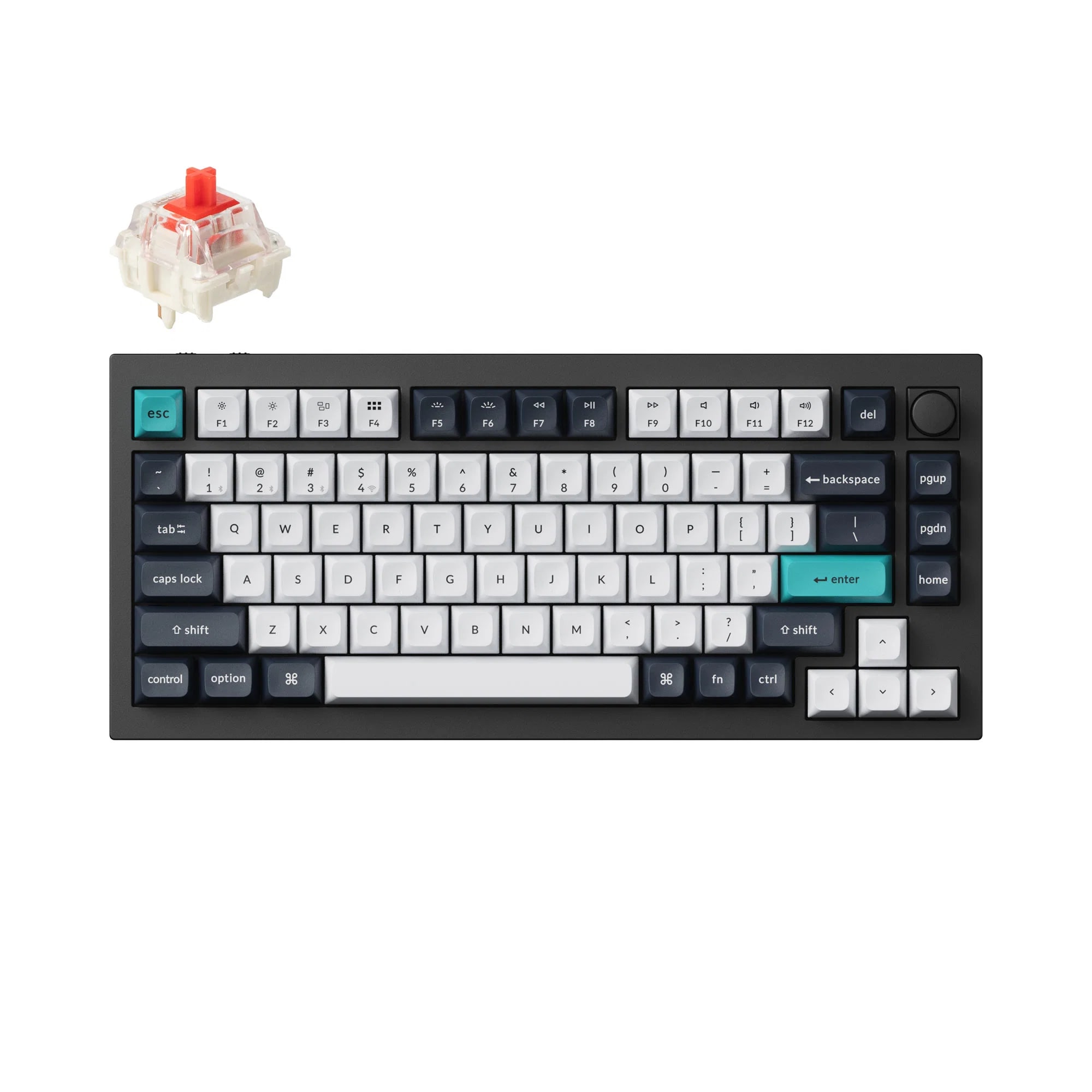
Hero image: product-images/mechanical-keyboards/keychron-q1-max/hero.jpg (Keychron Q1 Max wireless custom mechanical keyboard, black fully assembled knob version, front view)
Gallery image: product-images/mechanical-keyboards/keychron-q1-max/gallery.jpg (Keychron Q1 Max iconic features promotional image)
Thumbnail image: product-images/mechanical-keyboards/keychron-q1-max/thumb.jpg (Keychron Q1 Max wireless custom mechanical keyboard, white fully assembled knob version, front view)
Tell us what this page missed
These pages get better when real buyer complaints make it back into the scoring model. If something important is underweighted, say it.
Rate this review
Give it a score from 1-10 and tell us what to improve.
0/4000 characters